

![Simpsons [HORROR]](https://arbcdn.techfast.vn/0b51753c5bc9486bb6dfb8974ef220ab.webp)


Rust, the brutal multiplayer survival game developed by Facepunch Studios, is known for its unforgiving mechanics, intense PvP combat, and base-building systems. But beneath its thrilling chaos lies a persistent issue that has shaped the player experience for years: offline raiding. This mechanic—where players destroy bases and steal loot while the owners are offline—has sparked debates about fairness, strategy, and game design. In this article, we’ll explore the evolution of offline raiding in Rust, its consequences, and the community’s ongoing struggle to find balance.
1. The Origins of Offline Raiding in Rust
Rust was designed as a hardcore survival sandbox, where players must gather resources, build shelters, and defend themselves from others. From the beginning, base raiding was a core mechanic, encouraging conflict and competition. However, the game’s persistent world meant that bases remained vulnerable even when their owners logged off.
This led to the rise of offline raiding—an efficient, low-risk strategy for looting without resistance. While it aligned with Rust’s ruthless tone, it also introduced a major imbalance: players who couldn’t stay online 24/7 were disproportionately punished.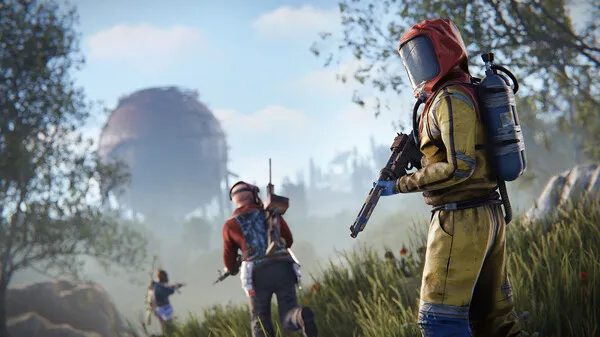
2. Why Offline Raiding Became the Meta
As Rust’s player base grew, so did the sophistication of raiding strategies. Offline raiding became the meta for large clans and experienced players. With no defenders present, raiders could take their time, use fewer explosives, and avoid PvP risks.
For solo players and small groups, this created a frustrating dynamic. No matter how well they built or defended their base, logging off meant vulnerability. The game began to favor those with more time or larger teams, skewing the balance toward dominance rather than survival.
Key Advantages of Offline Raiding:
- Zero resistance from defenders
- Lower resource cost due to strategic planning
- Reduced risk of counter-raids or ambushes
3. The Psychological Toll on Players
One of the most damaging aspects of offline raiding is its psychological impact. Players invest hours gathering resources, building bases, and crafting gear. Losing everything while offline feels unfair and demoralizing.
This leads to burnout, rage-quitting, and reduced player retention. Many players report feeling anxious about logging off, knowing their hard work could be erased overnight. Rust’s “always vulnerable” design creates a tension that, while thrilling for some, is exhausting for others.
Common Player Reactions:
- “I spent 20 hours grinding and lost it all while sleeping.”
- “Why even build if it gets wiped when I’m offline?”
- “Offline raiding ruins the fun and kills motivation.”
4. Attempts at Mitigation: Game Updates and Community Mods
Facepunch Studios has acknowledged the issue but has been cautious about changing core mechanics. Some updates have introduced features like TC upkeep and decay timers, which encourage active base management but don’t prevent offline raids.
Meanwhile, community servers have experimented with mods like Raid Protection, Offline Raid Alerts, and Time-Based Shields. These tools aim to level the playing field, but they’re controversial—some argue they dilute Rust’s hardcore nature.
Popular Anti-Raid Mods:
- RaidBlock: Prevents raiding for a set time after logout
- OfflineProtection: Reduces damage to offline bases
- RaidAlarm: Sends alerts to Discord when a base is attacked
5. Clan Dominance and the Power Imbalance
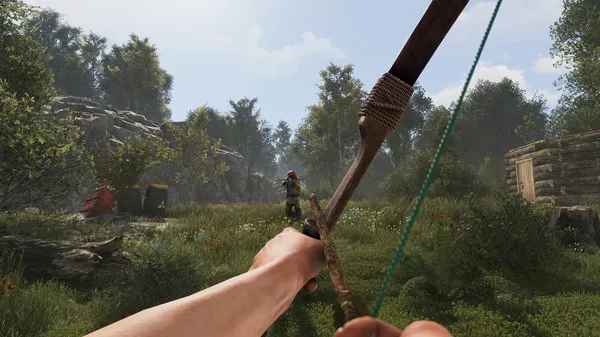
Offline raiding has amplified the dominance of large clans. These groups coordinate raids during off-hours, targeting solo players and small teams. With superior numbers and resources, they can wipe bases with minimal effort.
This creates a power imbalance where casual players struggle to survive. The game becomes less about strategy and more about brute force and time investment. For many, Rust starts to feel like a war of attrition rather than a survival challenge.
Impact on Server Dynamics:
- Clans control key monuments and loot zones
- Solo players avoid confrontation, reducing PvP variety
- Server populations fluctuate based on raid cycles
6. Base Design Evolution: Defending While Offline
In response to offline raiding, players have developed increasingly complex base designs. Honeycombing, trap bases, hidden loot rooms, and external TCs are all tactics aimed at slowing down raiders.
While these designs can delay destruction, they rarely prevent it entirely. Raiders adapt quickly, using rockets, C4, and online guides to bypass defenses. The arms race between builders and raiders continues, but the advantage often lies with the attacker.
Popular Defensive Techniques:
- Honeycomb walls to absorb explosive damage
- Hidden loot stashes in disconnected rooms
- Turrets and shotgun traps for automated defense
7. Time Zones and Global Server Inequality
Rust’s global servers introduce another layer of complexity: time zone disparity. Players from different regions often log in and out at different hours, creating windows of vulnerability.
Clans exploit this by raiding during off-peak hours, targeting players who are likely asleep. This creates an uneven playing field where geography affects survival. Some players even choose servers based on time zone alignment to reduce risk.
Strategies to Avoid Time-Based Raids:
- Join servers with similar regional activity
- Use Discord bots to monitor base activity
- Schedule logouts during peak hours
8. The Role of Rust’s Wipe Cycle
Rust servers typically wipe every week or month, resetting all progress. While this keeps gameplay fresh, it also exacerbates offline raiding. Players rush to build and raid before the next wipe, leading to aggressive behavior and short-term thinking.
Offline raiding becomes a tool for maximizing loot before resets. The wipe cycle encourages raiders to strike fast and hard, knowing that long-term consequences are minimal. This undermines base-building and discourages strategic planning.
Wipe Cycle Effects:
- Increased raid frequency near wipe dates
- Short-lived alliances and betrayals
- Reduced incentive for long-term defense
9. Community Solutions and Server Culture
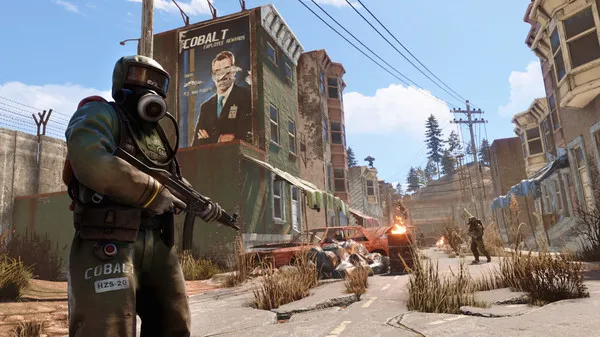
Some servers have developed unique cultures to combat offline raiding. Roleplay servers, PvE zones, and community rules help foster cooperation and reduce toxic behavior. Admins enforce guidelines to protect casual players and encourage fair play.
While these servers offer a reprieve, they’re not representative of Rust’s core experience. Hardcore players often dismiss them as “soft” or “unrealistic.” The divide between casual and competitive communities continues to grow.
Examples of Community Rules:
- No raiding during offline hours
- Mandatory raid announcements
- Base protection for new players
10. The Future of Offline Raiding in Rust
As Rust evolves, the offline raiding debate remains unresolved. Facepunch Studios has prioritized performance, content updates, and new features, but hasn’t addressed the core imbalance. Players continue to call for solutions that preserve challenge without punishing time constraints.
Whether through official mechanics, server tools, or community innovation, the future of Rust depends on finding a middle ground. Offline raiding is part of the game’s DNA—but without thoughtful design, it risks alienating the very players who make Rust’s world feel alive.
Conclusion Offline raiding in Rust is more than a gameplay mechanic—it’s a reflection of the game’s philosophy, community, and design challenges. While it adds tension and realism, it also creates imbalance, frustration, and burnout. The issue demands attention, not just from developers but from players and server hosts alike. Only through collaboration and innovation can Rust evolve into a survival experience that’s both brutal and fair