





Introduction
Schedule I is a unique survival-adventure game that blends psychological tension, resource management, and branching storylines. Unlike traditional action titles, it forces players to think carefully about every decision. Whether you’re exploring eerie environments, managing limited supplies, or trying to uncover the game’s hidden lore, the key to success lies in planning and patience.
This article offers comprehensive tips and guides for both new and experienced players. From learning the basics of navigation to mastering advanced strategies, we’ll cover everything step by step. By the end, you’ll not only survive Schedule I but also unlock its deeper secrets.
1. Tips for Starting Strong in Schedule I
The first few hours in Schedule I set the tone for the rest of your playthrough. Beginners often rush into exploration without preparing properly. Instead, take time to understand the user interface, the stamina system, and how environmental clues work.
Your first steps should involve exploring safe zones, collecting starter items, and building an understanding of the map. Don’t waste resources early—conserve food, water, and tools for when you truly need them.
Essential Early Actions
- Familiarize yourself with the HUD and controls.
- Explore only nearby areas before venturing further.
- Collect basic survival gear like lights and healing kits.
Pro Tip
Treat your first session as a tutorial—focus less on story progression and more on understanding mechanics.
2. Guide to Managing Resources Efficiently
Resource scarcity is one of the core challenges of Schedule I. Items like batteries, medical supplies, and keys are often limited, and players who fail to ration them end up stuck later.
Think strategically: ask yourself if using an item now is worth the risk of being unprepared later. Often, survival means learning to push forward with less than you’d like.
Resource Priorities
- Healing items: Always keep one in reserve.
- Light sources: Save batteries for darker environments.
- Tools: Use sparingly, as many cannot be repaired.
Smart Management
Plan your inventory before each section. Leave behind unnecessary items so you can carry essentials.
3. Navigating the Game World
The world of Schedule I is designed like a maze—claustrophobic corridors, locked doors, and branching paths create tension. Navigation is critical, and poor mapping often leads to wasted time and dangerous encounters.
Always keep track of safe routes and potential shortcuts. Many players overlook alternative paths that can save resources and reduce encounters with enemies.
Navigation Tricks
- Mark important locations on paper or mentally.
- Remember sound cues—they often reveal where danger lies.
- Backtrack smartly—only when resources justify it.
Exploration vs. Safety
Exploration is rewarding but risky. Push too far, and you may run into threats you aren’t prepared for.
4. Understanding Story & Lore
Schedule I isn’t only about survival—it’s also about uncovering its mysterious lore. Clues about the world are hidden in notes, audio logs, and visual details. Ignoring them weakens both the narrative and your ability to progress.
Some puzzles and endings can only be understood by piecing together the lore. Players who skim over details risk missing the game’s deeper meaning.
Sources of Lore
- Written journals scattered across environments.
- Symbols and graffiti that hint at past events.
- NPC dialogue and cryptic messages.
Why Lore Matters
Understanding the lore unlocks better strategies. Some clues even reveal hidden safe zones or puzzle hints.
5. Puzzle-Solving Tips
Puzzles in Schedule I can be both logical and environmental. Many require observing your surroundings, interpreting symbols, or combining items.
The biggest challenge isn’t the puzzle itself but solving it while under pressure. Keep calm, ignore distractions, and focus on the details.
Common Puzzle Types
- Lock combinations found in notes.
- Mechanical puzzles requiring tools.
- Symbol-based challenges hidden in the environment.
Stay Organized
Keep a notebook nearby. Writing down symbols and numbers will help when puzzles resurface later.
6. Handling Enemy Encounters
Enemies in Schedule I are designed to scare and challenge you. They’re not always meant to be fought directly—in fact, most encounters reward evasion rather than confrontation.
Understanding enemy behavior patterns is key. Some enemies react to sound, others to light, and a few stalk you silently.
Enemy Survival Tips
- Move slowly and crouch to avoid detection.
- Use darkness strategically—sometimes being unseen is safer.
- Don’t waste resources fighting unless absolutely necessary.
Mastering Stealth
The game rewards patience. Rushing or panicking only increases the risk of being caught.
7. Progression Through the Main Story
To advance in Schedule I, you’ll need to balance exploration, resource collection, and puzzle-solving. Each chapter builds in difficulty, adding new mechanics and more intense threats.
Focus on reaching checkpoints safely. These act as rest spots where you can prepare for the next stage. Missing important items early may block progress later.
Things to Watch Out For
- Locked areas often hide progression-critical items.
- NPCs can guide you, but some are misleading.
- Multiple story paths lead to different outcomes.
Planning Ahead
Before leaving a checkpoint, double-check your inventory to avoid backtracking.
8. Surviving the Mid to Late Game
As you advance, resources become even scarcer, enemies more aggressive, and puzzles more complex. The mid to late game tests everything you’ve learned.
By this stage, players should already know how to conserve supplies and navigate the environment. Mistakes here are often permanent and costly.
Late-Game Survival Checklist
- Keep at least one healing item at all times.
- Use shortcuts to save stamina and supplies.
- Stay alert for new types of enemies.
Mental Stamina
Don’t play too long without breaks. Fatigue can cause poor decisions both in-game and in real life.
9. Unlocking Endings
Schedule I has multiple endings, and which one you reach depends on your decisions, resource use, and how much lore you uncover.
Some endings require helping certain NPCs, while others demand solving hidden puzzles. The best endings are reserved for players who explore thoroughly.
Possible Endings
- Failure Ending: Collapse from exhaustion.
- Escape Ending: Survive but miss key lore.
- True Ending: Solve all puzzles and uncover the full truth.
Strategy for True Ending
Collect every piece of lore, solve optional puzzles, and make choices that preserve resources and allies.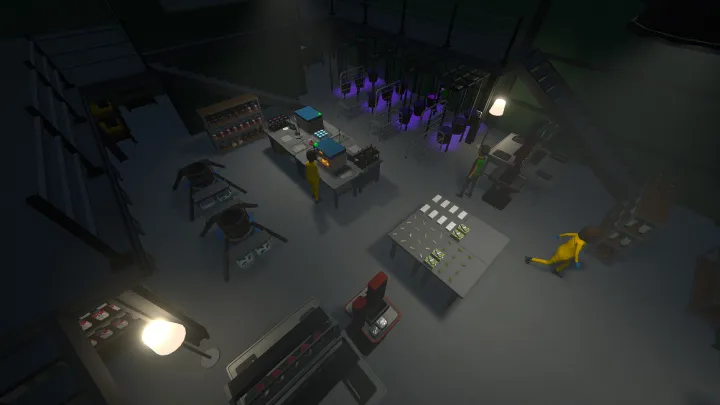
10. Mastering Schedule I on Replays
The beauty of Schedule I lies in its replayability. Each playthrough offers different choices, hidden details, and alternate endings.
Replaying helps you discover areas you previously overlooked, refine resource strategies, and experience the story in full.
Benefits of Replays
- Unlock new lore and hidden achievements.
- Test different playstyles (stealth vs. exploration-heavy).
- Achieve alternate endings.
Long-Term Mastery
The real challenge isn’t just surviving once but mastering the game’s systems so thoroughly that every climb feels controlled.
Conclusion
Schedule I is not just about survival—it’s about patience, strategy, and discovery. By following these tips and guides, players can manage resources, navigate environments, solve puzzles, and ultimately uncover the game’s deepest secrets.
Remember, every decision in Schedule I matters. The smallest choice—saving a resource, listening to a clue, or solving a puzzle—can determine whether you see failure or the true ending. Approach the game as both a survival challenge and a mystery to be unraveled, and you’ll find it endlessly rewarding.