







SCUM is not your average survival game. It’s a brutal, hyper-realistic sandbox where players must manage everything from metabolism and stamina to combat tactics and base-building. Whether you're a fresh spawn or a hardened veteran, SCUM demands strategic thinking, adaptability, and a deep understanding of its systems. This guide offers a comprehensive breakdown of tips and strategies, organized chronologically and thematically, to help you survive, thrive, and dominate the island.
Character Creation: Building a Survivor, Not a Victim
Your journey begins with character creation, and your choices here will shape your entire experience. SCUM’s four core attributes—Strength, Constitution, Dexterity, and Intelligence—affect everything from stamina and recoil to crafting speed and awareness. For new players, prioritize Constitution and Dexterity to maximize stamina and movement efficiency.
Skills like Survival, Engineering, and Awareness are crucial early on. Survival helps with crafting and resource gathering, Engineering unlocks advanced building options, and Awareness improves loot detection. Avoid overspecializing—balance your skills to stay versatile.
Recommended Build:
- Constitution: 4.5+
- Dexterity: 3.5+
- Skills: Survival (Advanced), Engineering (Medium), Awareness (Medium)
Conclusion: A well-rounded character gives you flexibility and resilience—don’t underestimate the power of smart stat allocation.
First Spawn: Surviving the First 30 Minutes
You’ll spawn with minimal gear—usually just prison clothes and a basic awareness of your surroundings. Your first priority is crafting a stone knife and wooden spear. These tools allow you to defend yourself and harvest resources.
Avoid cities and bunkers early on. Instead, head to small villages or hunting cabins for basic loot. Look for backpacks, food, and water containers. Use stealth to avoid puppets (zombies) and other players.
Quick Survival Checklist:
- Craft stone knife and spear
- Loot small villages for essentials
- Avoid combat and high-traffic zones
Conclusion: The first half hour is about survival, not combat—stay low, stay quiet, and gather what you need.
Managing Metabolism and Nutrition
SCUM’s metabolism system is one of its most unique features. You’ll need to monitor calories, vitamins, hydration, and digestion. Eating junk food may fill your stomach but won’t sustain you long-term.
Forage for mushrooms, berries, and insects. Hunt small animals like rabbits or birds, and cook meat over a campfire. Drink from wells or clean water sources—untreated water can cause illness. Use the Metabolism tab to track nutrient levels and adjust your diet accordingly.
Nutrition Tips:
- Balance carbs, fats, and proteins
- Cook meat to avoid parasites
- Monitor hydration and digestion
Conclusion: Understanding metabolism is key to long-term survival—eat smart, not just fast.
Crafting Essentials: Tools, Weapons, and Shelter
Crafting is your lifeline in SCUM. Start with basic tools—stone knives, spears, and improvised backpacks. As you progress, unlock recipes for bows, arrows, and traps. Use the crafting menu to explore options and plan ahead.
Shelter is vital. Build a simple base with a bed, storage, and fire pit. Use nearby resources like logs, stones, and scrap metal. Even a small shelter offers protection from weather and a respawn point if you die.
Crafting Priorities:
- Improvised backpack and bow
- Campfire and drying rack
- Shelter with bed and storage
Conclusion: Crafting empowers you—build tools and shelter early to gain control over your environment.
Looting and Inventory Management
Looting is essential but risky. Military bases and bunkers offer high-tier gear but attract other players and puppets. Use stealth and avoid combat unless necessary. Always check your surroundings before looting.
Inventory space is limited by weight and volume. Use backpacks, vests, and cargo pants to expand capacity. Prioritize essentials—ammo, food, medical supplies—and avoid hoarding. Organize gear by type for quick access during combat.
Looting Tips:
- Use stealth in high-risk zones
- Prioritize weight-efficient items
- Organize inventory for speed
Conclusion: Loot smart, not hard—efficiency and caution will keep you alive longer than greed.
Combat Basics: PvE and PvP Survival
Combat in SCUM is unforgiving. PvE threats include puppets and wild animals, while PvP introduces unpredictable human opponents. Learn to use cover, manage stamina, and aim precisely. Melee weapons are effective early on; firearms dominate later.
Avoid unnecessary fights. Use distraction tactics like noise or bait. In PvP, ambushes and sniping are common—stay alert and use terrain to your advantage. Always carry bandages and painkillers for emergencies.
Combat Checklist:
- Practice melee and ranged combat
- Use terrain and stealth
- Carry medical supplies
Conclusion: Combat is about control—master movement, awareness, and timing to survive encounters.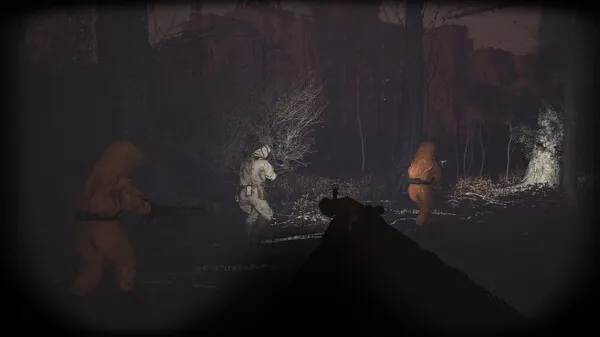
Base Building: Security and Sustainability
Once you’ve gathered resources and gear, it’s time to build a base. Choose a location near water and resources but away from high-traffic zones. Use walls, gates, and traps to secure your perimeter.
Craft storage boxes for loot and build a bed to set your spawn point. Advanced players can add workbenches, cooking stations, and even vehicles. Regularly check for raiders and reinforce weak points.
Base-Building Strategy:
- Location: remote but resource-rich
- Security: walls, gates, traps
- Sustainability: water, food, crafting stations
Conclusion: A strong base is your fortress—build smart and defend fiercely.
Vehicles and Transportation
Vehicles offer mobility and storage but require maintenance. Find a car or bike, repair it with toolkits, and fuel it using jerry cans. Keep spare parts and fuel in your base for emergencies.
Use vehicles to explore distant areas, transport loot, or escape danger. Be cautious—vehicles attract attention and can be ambushed. Always park in hidden or fortified locations.
Vehicle Tips:
- Repair kits and fuel are essential
- Use vehicles for exploration and transport
- Hide or secure vehicles when not in use
Conclusion: Vehicles are powerful tools—use them wisely and protect them like your life depends on it.
Advanced Crafting and Skill Progression
SCUM features skill progression based on usage. The more you craft, shoot, or run, the better you get. Focus on your preferred playstyle—melee, archery, firearms, or stealth—and practice regularly.
Advanced crafting includes traps, explosives, and electronics. Unlock these by leveling Intelligence and using workbenches. Combine items creatively—e.g., crafting silencers or improvised armor.
Skill-Building Tips:
- Practice consistently to level up
- Use crafting stations for advanced recipes
- Specialize based on your playstyle
Conclusion: Skills evolve with effort—train deliberately to unlock powerful tools and tactics.
Multiplayer Strategy and Team Play
SCUM’s multiplayer adds depth and danger. Join a squad for shared resources, protection, and coordinated raids. Use voice chat or Discord for communication. Share roles—builders, scouts, medics—for efficiency.
In PvP, teamwork is vital. Flank enemies, set ambushes, and defend your base together. Trust is rare—choose allies carefully and establish clear rules. Betrayal is common, so secure your loot and monitor squad behavior.
Multiplayer Tactics:
- Join squads for shared survival
- Communicate and assign roles
- Secure loot and monitor trust
Conclusion: Multiplayer is high-risk, high-reward—teamwork can elevate your game or end it in betrayal.
Conclusion
SCUM is a survival sandbox that rewards intelligence, patience, and adaptability. From crafting your first spear to building a fortified base, every decision matters. This guide equips you with the tools and strategies to thrive—whether solo or in a squad. Master the systems, respect the environment, and stay one step ahead of danger. The island is unforgiving, but with the right mindset, you’ll not only survive—you’ll dominate