







House hunting in 2025 has transformed into an entirely digital-first experience. Gone are the days of endless newspaper ads, weekend open houses, and relying solely on real estate agents for information. Instead, real estate and housing apps have become the ultimate tools for buyers, sellers, renters, and investors, helping them find properties that fit both lifestyle and budget.
In today’s world, these apps are no longer just listings platforms. They integrate AI-driven recommendations, augmented reality tours, neighborhood analytics, financial calculators, and even blockchain-backed secure transactions. Home seekers can browse thousands of options, compare mortgages, assess schools nearby, and finalize deals—all from their smartphones.
This article explores the Top 10 Real Estate and Housing Apps in 2025 that are reshaping the way people buy, rent, or sell properties. Each app offers unique features, benefits, and drawbacks, so whether you’re a first-time homebuyer or an experienced investor, this guide will help you make smarter decisions.
1. Zillow – Still the Market Leader in 2025
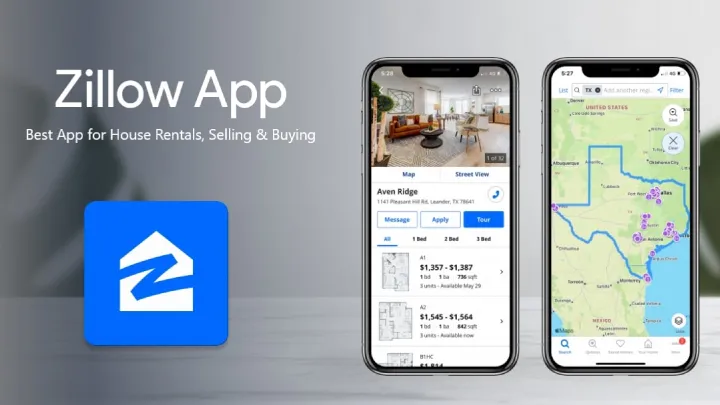
Zillow has been a household name in real estate for years, and by 2025, it continues to dominate the U.S. housing market. The platform has evolved from a listings directory to a comprehensive home-buying ecosystem.
Key Features
- Zestimate 2.0: AI-powered home valuation tool with improved accuracy.
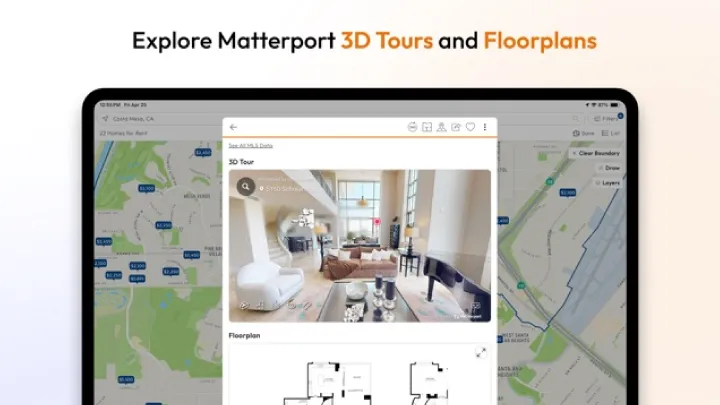
- 3D and AR Home Tours: Explore homes without leaving your couch.
- Integrated Financing: Compare mortgage offers directly in the app.
Pros
- Massive listings database
- Accurate valuation tools
- Seamless browsing and filtering
Cons
- Limited international reach
- Some valuations still debated
Zillow’s subscription model for real estate agents also makes it a crucial tool for professionals who want to showcase listings to motivated buyers.
2. Realtor.com – Data-Rich Home Searching
Realtor.com, backed by the National Association of Realtors, offers trusted and data-driven housing insights. By 2025, the platform emphasizes real-time MLS updates and strong connections with local agents.
Highlights
- MLS Integration: Fastest listing updates compared to competitors.
- School and Neighborhood Data: Helps families assess community fit.
- Affordability Calculator: Personalized mortgage and rent estimates.
Pros
- Comprehensive property details
- Great for families looking at school ratings
- Reliable MLS updates
Cons
- Interface less modern compared to Zillow
- Not as strong internationally
For those who value accuracy and trust, Realtor.com remains one of the most reliable apps for housing searches in 2025.
3. Redfin – Affordable Agent Services
Redfin has carved out its place as the affordable and agent-friendly alternative in real estate. It combines tech efficiency with real-world service, offering discounted commissions and high customer satisfaction.
Key Features
- Redfin Agents: Professional support at lower commission rates.
- 3D Walkthroughs: Virtual tours enhance remote decision-making.
- Market Insights: Price trends, bidding activity, and neighborhood stats.
Pros
- Cost savings through reduced commission
- Excellent user interface
- Integrated home-selling tools
Cons
- Availability limited in certain U.S. cities
- Smaller property pool than Zillow or Realtor.com
Redfin’s hybrid approach—technology plus personalized service—makes it a strong choice for budget-conscious buyers and sellers.
4. Trulia – Lifestyle-Focused Home Search
Trulia (owned by Zillow) differentiates itself by focusing on lifestyle matching. In 2025, it excels at helping buyers find not just a house, but a home within a community that fits their lifestyle.
Features
- Heat Maps: Crime rates, commute times, affordability indexes.
- Neighborhood Guides: User reviews and local perspectives.
- Lifestyle Filters: Search by proximity to gyms, schools, or public transit.
Pros
- Lifestyle-first approach
- Great for families and young professionals
- Highly visual and interactive maps
Cons
- Limited international reach
- Overlaps with Zillow’s features
Trulia works best for buyers who want to prioritize lifestyle factors as much as the property itself.
5. Homes.com – Fast-Growing Challenger
By 2025, Homes.com has emerged as a strong competitor, offering simplicity, speed, and affordability. It is praised for its clean interface and fast-growing property network.
Highlights
- One-Click Filters: Streamlined home search experience.
- Agent Directory: Connects buyers directly with local professionals.
- Price Trends: Neighborhood-level housing affordability analytics.
Pros
- Easy to use
- Growing national reach
- Transparent data
Cons
- Still smaller than Zillow or Realtor.com
- Lacks advanced AR/VR tools
For users who value simplicity over complexity, Homes.com is a refreshing alternative.
6. Apartment List – Smarter Rentals
Apartment List is designed for renters rather than buyers, making it ideal for younger professionals, students, or those relocating frequently. By 2025, it leverages AI to match renters with their best-fit apartments.
Features
- Personalized Matching Quiz: Tailored recommendations based on lifestyle.
- Transparent Pricing: Rent costs, fees, and utilities upfront.
- Lease Management: Integration with landlords for digital applications.
Pros
- Excellent for renters
- Transparent, honest listings
- Easy digital application process
Cons
- Limited focus on buying homes
- Coverage varies by city
Apartment List remains the go-to rental app for 2025, especially in competitive housing markets.
7. Compass – Luxury and AI Integration
Compass stands out as the luxury real estate app of 2025, combining sleek design with AI-powered agent tools. It’s popular among premium buyers, sellers, and investors.
Highlights
- Compass Concierge: Helps sellers renovate before listing.
- AI-Powered Insights: Predicts best times to buy or sell.
- Luxury Listings: Focus on high-end urban and suburban properties.
Pros
- High-quality listings
- Strong design and branding
- Excellent for investors
Cons
- Not ideal for budget-conscious buyers
- Available mainly in metropolitan markets
Compass is perfect for those seeking luxury homes or investment-grade real estate in 2025.
8. Opendoor – Instant Buying and Selling
Opendoor redefines real estate with its iBuyer model, allowing people to buy or sell homes instantly. By 2025, it has scaled up with AI-driven offers and faster closing processes.
Features
- Instant Cash Offers: Sell your home within days.
- Opendoor Exclusives: Special access to off-market properties.
- Streamlined Process: Minimal paperwork, faster transactions.
Pros
- Quick and hassle-free transactions
- Great for sellers in a hurry
- Transparent pricing
Cons
- Not always the best price for sellers
- Limited property pool compared to traditional listings
For those prioritizing speed and convenience, Opendoor is unmatched.
9. Airbnb – Hybrid Housing and Investment
Though best known for travel stays, by 2025 Airbnb has evolved into a hybrid real estate app, helping people buy, sell, and invest in rental properties.
Highlights
- Airbnb-friendly Homes: Listings optimized for short-term rental.
- Investment Calculator: Estimate rental income potential.
- Hybrid Use: Buy a home you can also rent seasonally.
Pros
- Excellent for investors and digital nomads
- Combines hospitality with real estate
- Expanding property categories
Cons
- Focused on rental income rather than primary homes
- Regulatory hurdles in some cities
Airbnb is perfect for buyers who want to blend personal living with investment opportunities.
10. Houzz – Design Meets Real Estate
Houzz began as a design platform but has grown into a holistic housing app. In 2025, it integrates home listings with interior design and renovation services.
Features
- Property Listings + Design Tools: See how you can transform spaces.
- Marketplace for Contractors: Hire directly within the app.
- AR Room Planner: Visualize renovations before buying.
Pros
- Perfect for design-savvy buyers
- Great for fixer-uppers
- Strong community inspiration
Cons
- Smaller property database
- Focused more on design than transactions
Houzz is ideal for buyers who want a creative and design-first approach to their home search.
Conclusion
By 2025, real estate apps have become more intelligent, integrated, and personalized. From Zillow’s massive reach to Opendoor’s instant sales, from Compass’s luxury focus to Airbnb’s hybrid investment model, there’s an app for every type of buyer, renter, or investor.
The future of real estate apps lies in AI-driven personalization, blockchain-secured transactions, and AR/VR experiences that eliminate the need for in-person tours. Whether you’re searching for your first apartment, a luxury estate, or a smart investment property, the right app will make home hunting in 2025 more efficient and enjoyable than ever.