Introduction
When people think about gaming hotspots, regions like North America, Japan, or Korea usually come to mind first. But South America is one of the fastest-growing gaming markets in the world, with millions of passionate players who shape the industry in unexpected ways. From bustling esports arenas in Brazil to casual mobile gaming in Argentina and Chile, South America offers a unique mix of preferences that might surprise global gamers.
In this article, we’ll explore South America’s top games, highlighting both global blockbusters and local favorites that define the region’s gaming culture.
1. Free Fire – The Mobile Esports Giant
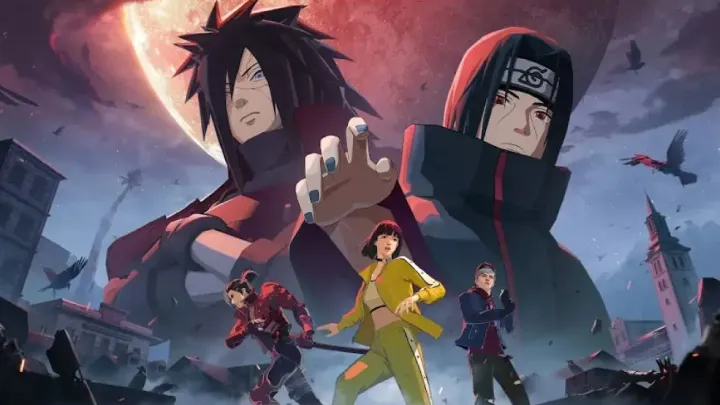
No game has captured South America quite like Free Fire. Its accessibility on low-end smartphones made it a hit in countries where high-performance gaming PCs are less common. The game has grown into a full-fledged esports sensation, especially in Brazil, where tournaments draw massive crowds.
- Easy to run on most smartphones.
- Intense battle royale action in short matches.
- Strong esports presence with millions of viewers.
2. League of Legends – Esports Community Favorite
While Korea may dominate League of Legends, South America has its own passionate LoL community. Brazil and Latin America host professional leagues that have produced standout players who compete internationally. The game thrives because of its competitive nature and the region’s love for team-based strategy.
- Regional leagues like CBLOL in Brazil are hugely popular.
- Strong fanbase with esports viewing culture.
- A gateway for South America to join the global esports stage.
3. FIFA Series – Football Spirit in Digital Form
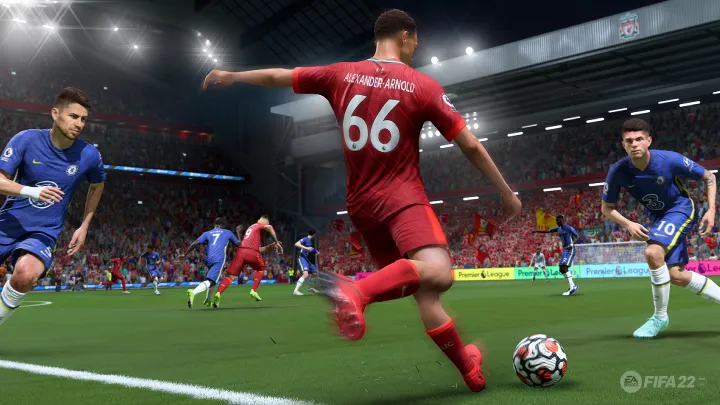
It’s no surprise that in a football-obsessed continent, FIFA is a massive hit. From casual matches among friends to competitive tournaments, FIFA has cemented itself as one of the most played games across South America. It reflects the region’s passion for the sport while offering digital bragging rights.
- Football culture naturally translates into FIFA’s popularity.
- Multiplayer is a social activity, both online and offline.
- Regular updates and tournaments keep it fresh.
4. Counter-Strike: Global Offensive – A Shooter with Staying Power
Even as new shooters rise, CS:GO maintains a loyal fanbase in South America. Brazil, in particular, has produced world-class professional teams like MIBR and FURIA, who’ve made their mark in international tournaments.
- Accessible for both casual and hardcore players.
- Deep-rooted esports history in South America.
- Competitive edge keeps it relevant for years.
5. Local Mobile and Indie Favorites
South America isn’t just about global giants. Local indie developers are producing games that reflect regional culture and creativity. Mobile gaming is especially strong, with titles that mix local themes, stories, and styles with global gameplay trends.
- Local development hubs in Brazil, Chile, and Argentina are growing rapidly.
- Indie games highlight South American myths, culture, and history.
- Mobile-first approach fits the region’s gaming habits.
Why These Picks Might Surprise You
For outsiders, the dominance of Free Fire and the ongoing popularity of CS:GO may come as a shock. Unlike other regions where PC and console gaming dominate, South America has embraced mobile gaming as a primary platform. At the same time, the region has carved its space in esports, building strong communities around LoL, CS:GO, and Free Fire.
The secret lies in accessibility, passion, and community spirit. South American gamers have found ways to adapt global hits to their culture while also creating their own unique gaming identity.
Conclusion
South America’s top games reflect a region full of passion, competition, and community-driven play. From Free Fire’s mobile dominance to the continent’s love for FIFA and esports titles, these picks show how diverse and vibrant the South American gaming scene has become.
The global gaming industry often looks east or west, but the real surprise is happening in the south—where gamers are proving that passion, accessibility, and culture can turn any game into a worldwide phenomenon.