




Introduction
Stardew Valley is more than a farming simulator; it is a mirror of how players manage their time, responsibilities, and ambitions. While the game invites relaxation, it also embeds layers of pressure—deadlines, seasons, energy management, social expectations—that make players constantly evaluate their priorities. Beneath its charming pixel art lies a challenge that resonates deeply with real life: the pursuit of balance between work and leisure. This article explores how Stardew Valley forces players to confront the issue of work-life balance through its mechanics, its community, and its broader psychological impact.
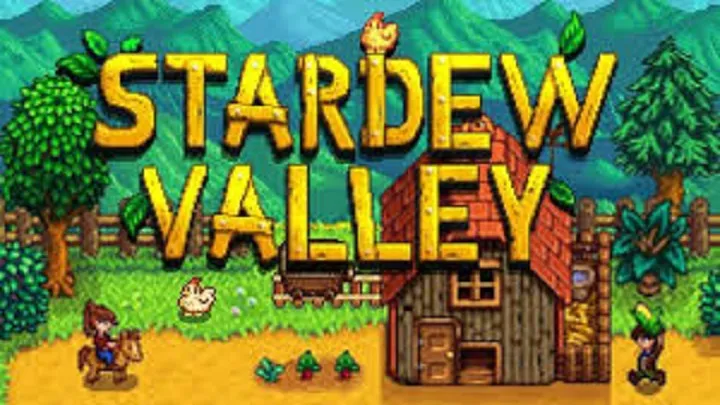
The Early Days of Farming Pressure
When players first arrive in Pelican Town, they inherit a neglected farm, overrun with weeds and rocks. The initial goal is clear: clear the land, grow crops, and restore productivity. Yet the time and energy systems immediately introduce limitations.
A single in-game day lasts about 14 minutes, and each action consumes energy. Players quickly learn that they cannot do everything at once. This early limitation introduces the first taste of work-life balance. Should energy be spent on farming, socializing with villagers, or exploring the mines? Every choice comes at the cost of another activity, forcing prioritization.
The Seasonal Clock and Its Demands
Stardew Valley operates on a seasonal system, with each season lasting 28 in-game days. Crops must be planted and harvested within the right season, or they wither. This mechanic creates urgency, as players must strategize planting schedules to maximize profits.
The pressure of seasons mirrors real-world deadlines. Many players feel the need to optimize their farms to avoid wasted opportunities. This creates an unspoken tension: the game appears calm and open-ended, yet the seasonal clock relentlessly ticks, encouraging efficiency over relaxation.
Social Expectations in Pelican Town
Beyond farming, players are encouraged to build relationships with the townsfolk. Gifting, attending festivals, and engaging in conversations strengthen bonds, leading to marriage or friendships with unique benefits.
However, nurturing social relationships competes with farming responsibilities. Skipping festivals to water crops, or neglecting gifts due to lack of resources, creates feelings of guilt. This dynamic mirrors real-life struggles where career ambitions often clash with social commitments.
The Mining Grind and Risk vs. Reward
The mines add another layer of complexity. Exploring deep levels promises rare ores, gems, and materials essential for farm upgrades. Yet mining consumes time, health, and energy. Players face risk-reward decisions daily: spend time in the mines and risk exhaustion, or remain on the farm and miss valuable resources.
H3: The Pressure of Exhaustion
If a player collapses from overexertion, they lose money, items, or time—punishments that reinforce moderation. Yet many players push their characters to the limit, unwilling to waste potential productivity. This cycle mirrors real-world burnout, where individuals sacrifice health for short-term gains.
The Festival Dilemma
Pelican Town hosts seasonal festivals, providing opportunities to socialize, win rewards, and immerse in local traditions. While festivals are celebratory, they consume the entire day.
For efficiency-driven players, festivals represent lost opportunities for farming or mining. The choice becomes symbolic: indulge in social connection or sacrifice productivity. This tension highlights how Stardew Valley challenges players to reassess what they value more—community or efficiency.
Marriage, Family, and Responsibility
Stardew Valley allows players to marry eligible villagers and even raise children. While this enriches the narrative and emotional depth, it also introduces new responsibilities. Spouses expect attention, gifts, and maintenance of relationships.
H4: Balancing Family and Farm
Players often feel conflicted: should time be devoted to maintaining a profitable farm, or nurturing family life? The game cleverly mirrors the real-world balance many face between career advancement and family responsibilities.
The Allure of Optimization and Min-Maxing
A major issue in Stardew Valley’s community is the tendency to “min-max”—to find the most efficient ways to maximize profit, crop yield, or resource collection. Online guides detail optimal crop layouts, mining strategies, and schedules.
While optimization provides a sense of achievement, it can strip the game of its intended relaxation. Many players fall into the trap of treating Stardew Valley like a job rather than a game, creating self-imposed pressure. The pursuit of perfection ironically undermines the game’s original intent of escape.
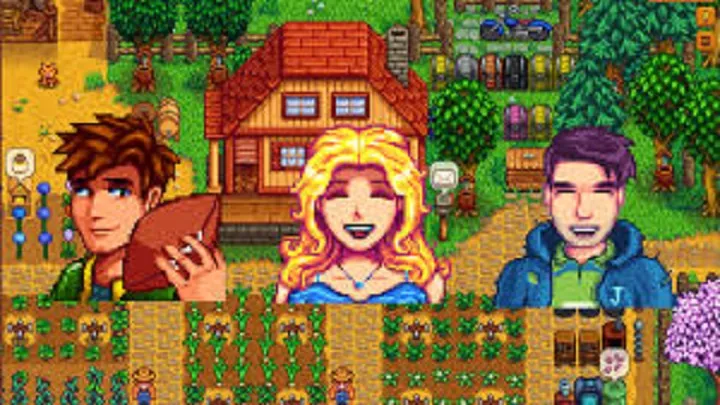
The Psychological Reflection of Player Habits
Stardew Valley acts as a mirror, reflecting each player’s relationship with work, productivity, and leisure. Those who rush through days to maximize earnings may find themselves replicating real-world workaholism. Others may prioritize friendships and festivals, embracing a slower pace.
H3: Lessons Learned from Play
For many players, the game becomes a teaching tool. It highlights the consequences of imbalance, showing how overwork leads to missed opportunities or burnout. Conversely, taking time to slow down often leads to unexpected joy—like discovering hidden secrets or forging meaningful in-game relationships.
Community Discourse on Time Pressure
The Stardew Valley community often debates whether the game should allow more flexible time mechanics. Some players argue that the daily clock is too restrictive, creating unnecessary stress. Others claim it is essential, as it forces meaningful choices and prevents the game from becoming monotonous.
These debates reveal how deeply players connect with the theme of time. Unlike most games that extend or compress time artificially, Stardew Valley makes time an active character—always pushing, reminding, and shaping player behavior.
The Endgame and Redefining Success
Eventually, players reach the endgame: the farm thrives, profits flow, and relationships stabilize. At this stage, many discover a surprising shift in priorities. With survival secured, the focus often moves toward creativity—decorating the farm, designing layouts, or exploring less profitable but more enjoyable activities.
This transition reflects the real-world concept of financial stability enabling freedom of choice. Once the initial grind ends, Stardew Valley allows players to redefine what success means—whether it’s wealth, relationships, or personal fulfillment.
Conclusion
Stardew Valley’s greatest brilliance lies not just in farming or mining but in its subtle simulation of life’s most universal struggle: balancing work and personal happiness. Its time system, seasonal clock, and layered mechanics force players to prioritize, compromise, and sometimes overextend themselves. In doing so, the game mirrors real-world challenges of productivity, deadlines, and relationships. By reflecting our own choices back to us, Stardew Valley becomes more than a game—it becomes a quiet lesson in moderation, fulfillment, and the pursuit of balance.