


Introduction
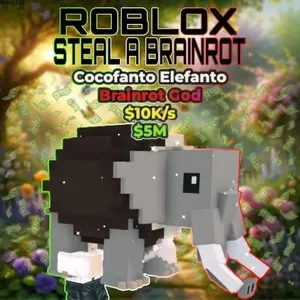
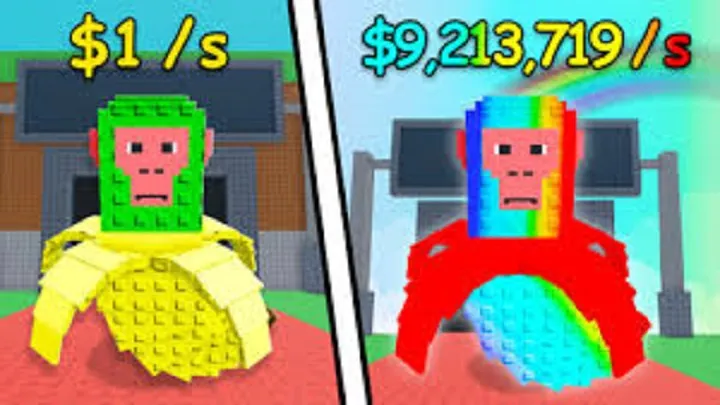
Steal a Brainrot, one of the latest viral hits within the Roblox ecosystem, thrives on absurdity. The game revolves around snatching “brainrots,” chaotic character items and symbols that embody meme culture, humor, and surreal roleplay. At first glance, it is another playful Roblox mini-game meant to pass time. Yet beneath the surface, one very specific issue stands out: the way chaotic social mechanics both empower and destabilize the experience. Unlike traditional Roblox simulators or competitive shooters, Steal a Brainrot is less about pure mechanics and more about emergent behavior, player interaction, and the community’s unwritten rules.
This article examines how that social chaos unfolds. We follow ten stages of engagement, from first impressions to advanced strategies, from community conventions to long-term burnout. Along the way, we highlight the tension between fun and frustration, between absurd freedom and structural fairness. Ultimately, this single design issue defines why Steal a Brainrot feels so fresh, unpredictable, and polarizing.
First encounters The lure of absurdity
New players often arrive in Steal a Brainrot with minimal expectations. They are greeted with bizarre visuals, exaggerated animations, and brainrot icons that appear comical yet oddly meaningful. The first session feels like stepping into an inside joke — the type of humor that only makes sense if you accept the absurd.
At this stage, the core loop is simple: chase, steal, and show off. The lack of formal structure creates immediate fun but also confusion. Newcomers quickly realize that the game relies less on skill or tutorials and more on improvisation. This early exposure sets the tone for what will become a continuous tension between joy and chaos.
Learning the mechanics Beyond the surface joke
After several rounds, players begin to grasp that beneath the meme-driven aesthetic lies a set of competitive mechanics. Stealing a brainrot is not purely random — positioning, timing, and awareness matter. Players learn to anticipate movements, cut off escape routes, and exploit momentary lapses in attention.
Yet the lack of formal tutorials means that learning often happens socially. Players copy strategies from others, experiment with techniques, or stumble upon emergent tricks. The design pushes responsibility onto the community rather than the developers, reinforcing the chaotic culture that surrounds the game.
Social chaos as design The core problem
Unlike many Roblox experiences that reward grind or precision, Steal a Brainrot rewards manipulation of social dynamics. Ganging up on a powerful player, trolling newcomers, or forming temporary alliances are all viable. This creates a fragile balance between fun collaboration and outright bullying.
For some, this chaotic freedom is exhilarating. For others, it is alienating. Without safeguards, social chaos becomes the defining mechanic — which is both the game’s charm and its Achilles’ heel. Players who enjoy unpredictability thrive, while those seeking fairness often feel pushed out.
Community conventions Unwritten rules emerge
Over time, groups of players begin to establish their own conventions. Certain tactics are considered acceptable, while others are labeled toxic. For example, repeatedly targeting a single newcomer may be frowned upon in some lobbies, while in others it is considered fair game.
H3 Examples of community conventions
- “First steal is free” agreements in casual lobbies
- Allowing newcomers a grace period before targeting them
- Organized chaos events where all players intentionally gang up on the leader
These unwritten rules show how the community itself compensates for the lack of formal design constraints. They also demonstrate how emergent governance arises naturally in sandbox spaces.
Strategic adaptation Turning chaos into advantage
Players who stick with Steal a Brainrot soon learn how to exploit social chaos strategically. By acting unpredictably, they can disrupt alliances. By feigning weakness, they can lure enemies into traps. By forming temporary coalitions, they can topple dominant players before turning on their allies.
This creates a layer of psychological warfare rarely seen in casual Roblox games. Success is less about mechanical mastery and more about reading the room — understanding motivations, exploiting groupthink, and timing betrayals. For skilled social players, the chaos becomes not a problem but a playground.
The downside of freedom When chaos becomes toxic
Unregulated social freedom has a cost. Many players experience harassment, relentless targeting, or exclusion from groups. For younger Roblox audiences especially, this can turn fun into frustration. The same lack of structure that enables creativity also enables exploitation.
H4 Negative consequences of unregulated social chaos
- Persistent griefing where one player is endlessly targeted
- Exploits that allow unfair stealing loops
- Social exclusion where dominant groups freeze out new players
- Increased burnout as sessions devolve into hostility rather than fun
These issues highlight the double-edged nature of chaotic systems. Freedom without structure can be as destructive as it is empowering.
Mid-term engagement Community creativity and memes
Despite its problems, the chaos also fuels creativity. Steal a Brainrot thrives on meme culture, and players constantly invent new jokes, roleplays, and self-imposed challenges. Mid-term engagement often involves creating content — TikTok clips, YouTube parodies, and Discord memes — that amplify the game’s surreal appeal.
This user-driven creativity extends the game’s life span. Instead of relying on developer updates, the community itself generates novelty. The same chaotic foundation that frustrates some players becomes a fertile ground for comedic storytelling and viral trends.
Late-game mastery The politics of dominance
Veteran players often dominate lobbies not by skill alone but by reputation. A well-known player may command respect, fear, or loyalty from others. They may become the focal point of alliances and betrayals. Late-game mastery thus becomes less about stealing quickly and more about manipulating the social order.
This dynamic creates a political layer within the game. Leaders rise and fall based on their ability to maintain influence. Some wield humor as a weapon, others intimidation. The endgame is no longer about the brainrots themselves but about the control of chaos.
Design tradeoffs Structure versus freedom
The developers of Steal a Brainrot face a difficult tradeoff. Adding too much structure — such as formal rules, matchmaking, or punishments — could undermine the very absurdity that makes the game popular. Leaving everything unregulated, however, risks alienating players who cannot thrive in pure chaos.
A possible solution lies in layered modes. A casual mode could maintain maximum chaos, while a structured mode could introduce mild safeguards such as cooldowns or fairness protections. This would preserve the core identity while widening the audience.
Future possibilities Player-driven evolution
Looking ahead, the game’s sustainability will likely depend less on developer updates and more on community creativity. As long as players continue to generate memes, organize social events, and embrace absurdity, Steal a Brainrot will remain culturally relevant.
However, long-term health may require some form of intervention. Tools that empower players to set lobby rules, moderate behavior, or customize chaos levels could transform frustration into empowerment. By giving the community the means to shape their own experience, the game could preserve freedom while mitigating toxicity.
Conclusion
Steal a Brainrot is not defined by polished mechanics or progression systems but by its chaotic social core. The specific issue at the heart of the game — unstructured social dynamics — simultaneously fuels its charm and threatens its longevity. On one hand, it creates moments of unpredictable hilarity, emergent strategy, and endless memes. On the other, it exposes players to harassment, exclusion, and burnout.
Ultimately, Steal a Brainrot demonstrates the power and peril of designing around chaos. For players who embrace unpredictability, it is a one-of-a-kind experience. For those who crave balance, it can be exhausting. The future of the game may hinge on whether developers and communities together can strike a delicate balance between freedom and fairness.







![Simpsons [HORROR]](https://arbcdn.techfast.vn/0b51753c5bc9486bb6dfb8974ef220ab.webp)