
Introduction
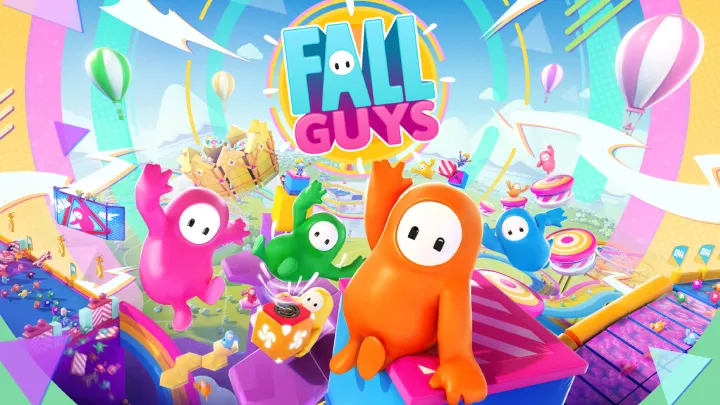
Stumble Guys, a delightful multiplayer party game inspired by the hit Fall Guys, has captured the hearts of players around the globe. With its colorful graphics, humorous characters, and chaotic gameplay, it offers an engaging experience filled with laughter and competition. However, a deeper examination reveals a significant issue regarding the balance of skill and luck that affects player enjoyment and game fairness. This article delves into this imbalance, exploring its implications on gameplay, community dynamics, and the overall experience of Stumble Guys.
Understanding the Game Mechanics
The Core Gameplay Experience
Stumble Guys presents players with a series of obstacle courses where they must navigate their way to the finish line before being eliminated. Each round presents unique challenges, from spinning blades to slippery slides, requiring both dexterity and strategic thinking. The game's mechanics rely heavily on player movement, timing, and the ability to react to unexpected obstacles.
Luck vs. Skill: The Essential Conflict
In Stumble Guys, the interplay between skill and luck is a defining aspect of the experience. While skilled players can navigate obstacles with precision, random elements often dictate the outcome of matches. For instance, players may find themselves at the mercy of erratic game physics or unforeseen blockages that can easily thwart even the most skilled competitors. This raises questions about what constitutes a fair competition and where the line should be drawn between skill and luck.
The Role of Randomness in Gameplay
The Randomness Factor
One of the most significant elements contributing to the luck aspect in Stumble Guys is the randomness of obstacle placement and player behavior. For example, in rounds like "Dizzy Heights," players must navigate spinning obstacles that can knock them off course. The unpredictability of these obstacles can lead to outcomes that feel arbitrary, frustrating skilled players who may feel that their abilities are overshadowed by sheer chance.
Impact on Player Experience
The randomness can lead to a rollercoaster of emotions for players. A skilled player may find themselves eliminated early due to a series of unfortunate events, leading to feelings of frustration and helplessness. On the other hand, less skilled players may benefit from lucky breaks, advancing further in the game than they deserve based on their skill level. This dynamic can create a disparity in player satisfaction, further complicating the game's community.
Community Reactions to Skill Imbalance
Player Sentiment
The community surrounding Stumble Guys is vibrant and vocal. Many players express their frustrations through forums and social media, pointing out that luck often trumps skill in determining match outcomes. This sentiment can lead to a negative atmosphere, where skilled players feel undervalued and less motivated to continue playing.
The Rise of Skill-Based Play
In response to the perceived imbalance, some players have formed communities focused on skill-based play. These groups often share strategies and tips to enhance gameplay, aiming to minimize the impact of luck. However, this can create an exclusive environment where new players feel unwelcome or discouraged, further alienating segments of the community.
Game Design Elements Contributing to Luck
Obstacle Design
The design of obstacles in Stumble Guys plays a significant role in the luck factor. While some obstacles are skill-based and require precise timing, others introduce unpredictable elements that can drastically change the course of a match. For instance, obstacles like the "See-Saw" can tilt unpredictably, making it challenging for players to maintain their balance.
Character Physics
The game's physics mechanics also contribute to the randomness players experience. Characters can fall, bounce, or be knocked off course in ways that feel inconsistent. This inconsistency can frustrate players who are trying to master the game's mechanics, as their success can often feel out of their control.
Strategies to Mitigate Luck
Skill Development
Despite the luck factor, players can still improve their chances by focusing on skill development. Practicing specific rounds and mastering the mechanics of character movement can lead to more consistent performance. Players are encouraged to learn the layouts of different maps and develop strategies that work to their strengths.
Community Support
One effective way to combat the luck imbalance is through community support. Experienced players can mentor newcomers, sharing insights and strategies that can enhance their gameplay. By fostering a more inclusive environment, the community can help level the playing field, reducing the frustration that comes with luck-based eliminations.
The Impact of Updates and Changes
Game Patches
The developers of Stumble Guys frequently release updates and patches designed to balance gameplay. These updates often address issues related to obstacle placement and character physics, aiming to reduce the impact of luck on match outcomes. However, the effectiveness of these changes can vary, sometimes leading to unintended consequences that further complicate the balance.
Community Feedback
Listening to community feedback is essential for the game's evolution. Developers who actively engage with players and incorporate their suggestions can create a more balanced and enjoyable experience. However, finding the right balance between player demands and game integrity can be challenging.
Future Directions for Stumble Guys
Potential Enhancements
As the game continues to evolve, developers have opportunities to enhance gameplay in ways that can mitigate the luck factor. Introducing new game modes that emphasize skill, or redesigning existing obstacles to create a more predictable experience, could help create a fairer environment for all players.
Fostering a Balanced Community
Encouraging a culture of sportsmanship and skill appreciation within the community can also help address issues of imbalance. By celebrating player achievements and sharing success stories, the community can shift its focus from luck to skill, fostering a more positive atmosphere.
Conclusion
Stumble Guys is a captivating game that brings joy and laughter to many players. However, the persistent issue of balancing skill and luck presents challenges that affect player enjoyment and community dynamics. By understanding the origins of this imbalance and working together to foster a more skill-oriented environment, both players and developers can enhance the overall experience of Stumble Guys, ensuring that it remains a beloved title for years to come.