






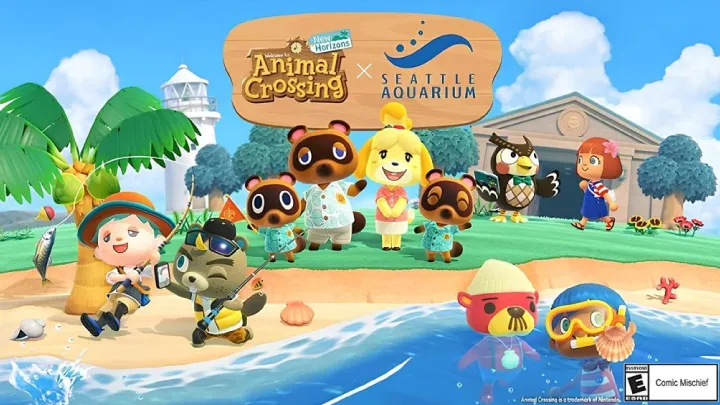
Animal Crossing: New Horizons (ACNH) has captured the hearts of millions since its release in March 2020. One of the most intriguing mechanics within the game is the turnip trading system, which mimics real-world stock market principles in a whimsical, stress-free environment. This article delves deeply into the complexities of turnip trading, exploring its economic implications, player strategies, and community dynamics. Understanding this system not only enhances gameplay but also provides insights into broader economic concepts, making it a fascinating topic for both gamers and economists alike.
The Basics of Turnip Trading
Understanding Turnips
Turnips are a unique item in ACNH, sold by Daisy Mae every Sunday morning. Players can buy turnips at varying prices to hold until the following Sunday, hoping to sell them at a higher price. This buying and selling mechanism introduces a stock-market-like dynamic that is both engaging and challenging.
- Buying Turnips: Players can purchase turnips in bundles, typically for a price that fluctuates weekly. The minimum price is 90 Bells, but it can go much higher.
- Selling Turnips: Players must sell their turnips before the next Sunday, or they will spoil and become worthless. This time constraint adds a layer of urgency to trading decisions.
The Weekly Cycle
The turnip trading system operates in a predictable weekly cycle, creating a rhythm that players quickly familiarize themselves with.
- Sunday Purchases: Players can only buy turnips from Daisy Mae on Sundays, creating a sense of anticipation and planning.
- Price Fluctuations: Prices for selling turnips vary throughout the week, typically changing twice a day. Players must monitor these changes closely to maximize profits.
Economic Principles at Play
Supply and Demand Dynamics
The turnip trading system is an excellent example of supply and demand in action. Prices fluctuate based on how many players are buying or selling turnips at any given time.
- High Demand and Low Supply: If many players are looking to sell at the same time, prices will drop. Conversely, if few players are selling, prices can soar.
- Market Trends: Players often analyze trends based on historical data to predict future prices, mirroring real-world economic behaviors.
Behavioral Economics
Turnip trading also highlights principles from behavioral economics, particularly how emotions can drive decision-making.
- Fear and Greed: Players may rush to sell their turnips due to fear of losing profits, leading to irrational decisions. This behavior is akin to stock market panic selling.
- Overconfidence: Some players may hold onto turnips longer than advisable, hoping for a price spike, which can lead to losses when prices drop unexpectedly.
Strategies for Successful Trading

Research and Analysis
Successful turnip traders often conduct thorough research. Utilizing community resources can significantly improve chances of making profitable trades.
- Price Tracking Websites: Numerous websites track turnip prices, helping players identify trends and predict future movements.
- Community Forums: Engaging with online communities provides valuable insights, as players share their experiences and strategies.
Timing and Patience
Timing is crucial in turnip trading. Players should monitor prices throughout the week and be patient, waiting for optimal selling opportunities.
- Daily Check-ins: Regularly checking prices at Nook’s Cranny can reveal sudden price spikes that warrant immediate selling.
- Avoiding Panic: Staying calm and not succumbing to fear can lead to better decision-making when it comes to selling turnips.
The Role of Community
Online Trading Networks
The advent of social media has transformed how players engage in turnip trading. Online communities have sprung up to facilitate trading and share information.
- Dodo Codes: Players can share Dodo Codes to invite friends or strangers to their islands for trading, creating a communal trading environment.
- Price Sharing: Many players post their current selling prices online, allowing others to visit their islands to sell turnips.
Building Relationships
Trading turnips is not just an economic activity; it also fosters social connections among players.
- Friendship and Collaboration: Players often build friendships through trading, sharing tips, and helping each other succeed in the game.
- Community Events: Some players organize events where they open their islands for mass trading, strengthening community ties.
Risks and Challenges
Spoilage and Financial Loss
One of the inherent risks in turnip trading is spoilage. Players must sell their turnips within a week, or they will rot.
- Time Management: Balancing the urgency of selling turnips with other in-game activities can lead to stress and missed opportunities.
- Market Manipulation: Players may share misleading information about prices, leading to confusion and potential losses.
Economic Bubbles
The turnip trading system can also create economic bubbles, where prices skyrocket only to crash unexpectedly.
- Price Manipulation: Some players may artificially inflate prices through various means, leading to unsustainable trading practices.
- Panic Selling: When prices drop suddenly, many players rush to sell, leading to a market crash reminiscent of real-world economic bubbles.
Advanced Trading Techniques
Diversification
Advanced players often diversify their trading strategies to mitigate risks.
- Investing in Other Items: In addition to turnips, players may invest in rare fish, bugs, or seasonal items that can be sold for profit.
- Trading for Rare Items: Engaging in trades that involve rare or limited-time items can yield higher returns than traditional turnip sales.
Long-Term Strategies
While many players focus on short-term gains, adopting long-term strategies can prove beneficial.
- Building a Resource Inventory: Stockpiling resources can provide a safety net for future trading opportunities and crafting needs.
- Monitoring Seasonal Trends: Understanding seasonal changes in pricing can help players make informed decisions about when to buy and sell.
The Future of Turnip Trading
Potential Game Updates
As ACNH continues to evolve, the turnip trading system may undergo changes.
- New Trading Mechanics: Future updates could introduce new mechanics or alter existing ones, impacting how players approach trading.
- Enhanced Community Features: Developers may add features that further promote community engagement and collaboration.
Sustainability of the Trading System
The long-term sustainability of the turnip trading system is a topic of discussion among players.
- Player Fatigue: As the game matures, players may become fatigued with the current trading system, leading to calls for innovation.
- Balancing Accessibility: Developers will need to ensure that any changes maintain player interest while remaining accessible to newcomers.
Conclusion
In conclusion, turnip trading in Animal Crossing: New Horizons is a complex system that encapsulates various economic principles and player dynamics. From supply and demand to behavioral economics, the trading system offers a rich landscape for analysis. While it provides players with opportunities for profit and social interaction, it also poses risks and challenges that require careful navigation. Understanding the intricacies of turnip trading can enhance the overall gaming experience, making it not only enjoyable but also intellectually stimulating.