





Introduction
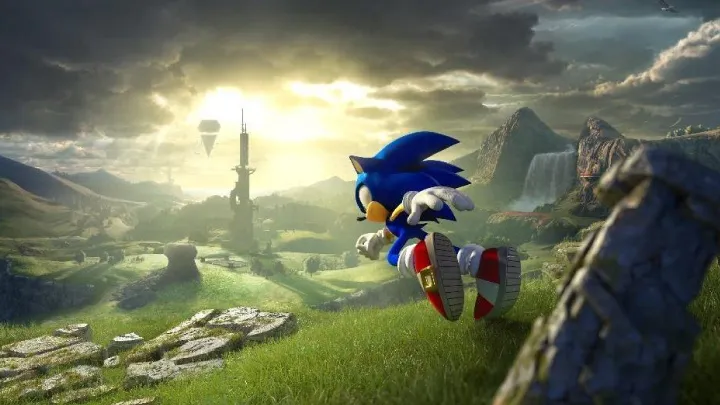
Sonic Frontiers represents a significant shift for the long-running franchise, introducing a semi-open world structure that departs from the traditional linear platforming experienced in previous titles. This game, developed by Sonic Team, invites players to explore the expansive Starfall Islands, offering a mix of classic Sonic speed with modern open-world paradigms. However, the game isn’t without its challenges, particularly in how it navigates the balance between freedom and direction within its design. This article delves into the specific issue of open world design in Sonic Frontiers, analyzing how the game's structure affects gameplay, player exploration, and the overall experience, while also comparing it to the expectations set by contemporary open-world titles.
The Foundations of Open World Design
A Shift in Sonic’s Gameplay Paradigm
Historically, Sonic games have relied on linear stage designs, where players speed through meticulously crafted levels filled with rings, enemies, and obstacles. With Sonic Frontiers, the developers aimed to break this mold, providing a more exploratory experience that encourages players to roam the environment. This shift marks a response to the evolving gaming landscape, where open worlds have become synonymous with freedom of exploration.
Understanding the Open World Structure
Sonic Frontiers introduces players to the Starfall Islands, which act as a cohesive ecosystem filled with distinct regions and thematic environments. The game combines traditional Sonic gameplay mechanics—such as boosting and grinding—with platforming challenges set within an expansive landscape. Players can venture off the main path to discover collectibles and secrets, a departure from the typical goal-oriented design of previous titles.
Key Elements of the Open World Structure
- Interconnected Islands: The Starfall Islands consist of diverse biomes, each offering unique challenges and aesthetics that encourage exploration.
- Collectibles and Upgrades: Hidden items such as memory tokens, red seeds of power, and other collectibles incentivize players to explore and engage with the environment.
- Dynamic Environment: The open world is populated with enemies, environmental puzzles, and platforming sections that require Sonic’s speed and agility, demanding player investment in both combat and exploration.
The Balance Between Freedom and Direction
One of the primary aims of an open world is to give players the freedom to explore at their own pace. However, this can lead to fragmentation of the gameplay experience if not managed correctly. With Sonic Frontiers, the challenge lies in maintaining a balance between allowing exploration and providing clear objectives.
The Player Experience: Exploring the Open World
The Thrill of Exploration
Exploration is at the heart of Sonic Frontiers, and players can experience the thrill of uncovering secrets and paths that are not immediately apparent. The game encourages players to utilize Sonic’s speed not just for racing through levels but for discovering hidden areas that lead to rewarding gameplay experiences.
Engaging with Environmental Puzzles
Each island in Sonic Frontiers features environmental puzzles that challenge players to think creatively about how to navigate the space. These puzzles often require Sonic to manipulate the environment, activate mechanisms, or engage in combat—all while maintaining his signature speed.
Example Puzzles and Interactions
- Ancient Ruins: Players may encounter ruins that offer time-based challenges requiring quick reflexes and timely boosts.
- Puzzle Constructs: Players often find large constructs or closed pathways that require solving to unlock new areas or gather collectibles.
- Dynamic Enemies: Encounters with diverse enemies offer not only combat challenges but also environmental integration, as players can use the terrain to their advantage.
The Satisfaction of Discovery
The gratification of discovery in Sonic Frontiers is not limited to finding collectibles; it includes the sense of achievement in mastering the world itself. Each successful traversal of a challenging platforming section enhances the feeling of competence and agency, which is crucial in engaging players.
The Challenge of Navigation and Direction
Potential Frustrations of Open World Exploration
While the opportunity for exploration presents new gameplay possibilities, it also introduces challenges in navigation. Players may find themselves overwhelmed by the sheer scale of the environment or uncertain about where to go next.
The Issue of Linear Objectives
Sonic Frontiers incorporates a mix of main and side missions that can sometimes lead to confusion regarding the player's ultimate objectives. This hybrid design can disrupt the flow of exploration and lead to moments of frustration.
Key Navigation Frustrations
- Map Clarity: The in-game map might overwhelm players with too much information or, conversely, lack detail on how to navigate to certain locations.
- Ambiguous Objectives: Some side quests may not adequately explain what is required for completion, leading to players wandering without purpose.
- Environmental Complexity: While multiple routes offer players freedom, they can also create uncertainty about the best path forward, diluting the sense of progression.
Balancing Freedom with Guidance
To counterbalance these frustrations, the developers integrated guideposts and markers that can help players identify important objectives and collectibles. However, the effectiveness of these markers varies throughout the game, and some players may still feel lost in the sprawling environments.
Comparisons to Other Open World Titles
Drawing Parallels with Similar Games
In evaluating the open world design of Sonic Frontiers, it is useful to compare it to other successful open-world titles. Games like Breath of the Wild, Ghost of Tsushima, and Spider-Man have excelled in terms of navigation and player engagement within vast worlds.
Lessons from The Legend of Zelda: Breath of the Wild
Breath of the Wild is lauded for its intuitive approach to exploration, encouraging players to venture into the world without overwhelming them with excessive objectives. Its emphasis on player choice fosters a genuine sense of adventure that players seek in open-world experiences.
Key Takeaways
- Natural Environmental Design: Breath of the Wild employs a design philosophy where players are subtly guided by the game’s environment rather than by explicit markers.
- Clear Objectives: The game balances open exploration with clearly defined objectives, allowing for engaging gameplay without frustrating ambiguity.
- Dynamic Interactions: The game’s mechanics encourage experimentation, rewarding players for trying unconventional methods to solve challenges.
The Unique Position of Sonic Frontiers
While Sonic Frontiers aims to capture the spirit of traditional Sonic gameplay, it also strives to innovate within the open-world genre. This dual approach can sometimes lead to conflicting design philosophies, presenting a unique challenge for the developers. Balancing Sonic's speed-focused gameplay within a sprawling environment has proven to be complex yet rewarding.
The Mechanics of Speed and Exploration
Speed as a Core Gameplay Element
At its core, Sonic Frontiers retains the franchise's hallmark: speed. Players expect to dash through environments at breathtaking speeds, which introduces a distinctive challenge in an open-world context. The game attempts to integrate this speed with exploration and puzzle-solving.
The Speed Loop
The primary mechanics emphasize Sonic’s ability to build momentum, offering players a rewarding experience when they master navigating the world swiftly. This “speed loop” is designed to make players feel powerful and engaged.
Elements of the Speed Loop
- Boost Mechanics: Invoking Sonic’s boost ability allows players to traverse long distances quickly, but timing is essential to maintain momentum.
- Parkour Elements: The game incorporates parkour-style movements that enable Sonic to navigate vertical spaces, making exploration more dynamic.
- Dash and Grind Systems: Players can utilize dash pads and rails to build speed, allowing for quick traversal between regions while integrating classic Sonic elements.
Challenges of Integrating Speed in Open World
While speed is a defining characteristic of Sonic’s gameplay, integrating it into an open-world format poses its own set of challenges. The rapid pace can make it difficult to fully appreciate environmental details and story elements, leading to a disconnection between the player and the game world.
Engaging Combat Systems
Combat Design in the Open World
Sonic Frontiers incorporates a combat system that breaks away from previous titles, aiming to create a more engaging experience. This system integrates seamlessly with the game's exploration mechanics, but its execution remains a topic of discussion.
The Combat Mechanics
The combat in Sonic Frontiers involves a series of moves and combos that allow players to unleash powerful attacks against a variety of enemies. It contrasts with traditional button-mashing mechanics in previous Sonic titles by introducing an upgrade system that promotes strategic engagement.
Key Combat Features
- Combat Skills: Sonic can unlock new abilities that enhance his combat repertoire, encouraging players to experiment with different tactics.
- Enemy Types: A diverse array of enemies presents varying challenges, compelling players to adapt their strategies in real-time.
- Chaining Attacks: Engaging in successive attacks can break enemy defenses, allowing for satisfying combos that creatively utilize Sonic’s skills.
Assessing Combat within Open World Constraints
The open-world design impacts the combat experience. While players can engage enemies dynamically, the challenge often lies in how well these encounters are integrated into exploration. Some players may find combat sequences detract from the fluid exploration that Sonic is known for.
Narrative Layers and Character Development
Storytelling in an Open World
Sonic Frontiers not only redefines gameplay mechanics but also attempts to weave a more mature narrative than previous installments. The story centers around Sonic's quest to rescue his friends and uncover the truth behind the mysterious Starfall Islands.
Character Arcs
The game emphasizes character development, showcasing Sonic's relationships with Knuckles, Tails, and Amy. Each character plays a crucial role in advancing both the story and gameplay, enriching the overall experience.
Key Character Moments
- Friendship Dynamics: The interactions between Sonic and his friends deepen the emotional stakes of the narrative, providing a cohesive sense of purpose.
- Emotional Resonance: The game grapples with themes of loss and discovery, and Sonic’s resolve to rescue his friends adds a personal layer to the adventure.
The Integration of Narrative and Gameplay
Challenges arise when integrating narrative elements into the open-world structure since players can choose when and how to engage with story segments. While transitions between exploring and story moments are crafted skillfully, some players may feel disconnected from the overarching narrative thread while engaging in freedom-based gameplay.
Conclusion: A New Frontier for Sonic
Sonic Frontiers stands as a pivotal entry in the series, representing an ambitious step toward a modern open-world design while trying to maintain the essence that fans have come to love. While the execution of this vision has yielded diverse reactions, it ultimately invites players to experience a combination of speed, exploration, and engagement that is both fresh and nostalgic.
The challenges related to navigation, combat, and narrative structure highlight the complexities of transforming Sonic's traditional gameplay style into an open world. However, the innovations in world design, puzzles, and character interplay signal a promising evolution for the brand. The quest for a perfect balance in free exploration and structured objectives continues, offering valuable lessons for future Sonic titles.
As players immerse themselves in the expansive landscapes of the Starfall Islands, Sonic Frontiers ultimately underscores a poignant message: the future of the franchise is indeed one worth exploring—if only to discover what lies on the horizon.