



When STAR WARS™: The Old Republic™ (SWTOR) launched in 2011, it offered a compelling balance of narrative-driven RPG elements and traditional MMO systems — including Player vs. Player (PvP) content. Early Warzones, skillful duels between Sith and Jedi, and faction-based rivalries promised a vibrant and competitive environment. Over time, however, PvP in SWTOR has declined from a central feature to a niche mode largely neglected by developers and abandoned by the wider player base.
In this article, we’ll deeply examine this issue: the causes of PvP’s decline, the consequences for the community, and whether it's salvageable in 2025. We’ll break the topic down by periods of time and areas of meaning, giving each section a clear theme and connection to the next.
1. The Golden Age of SWTOR PvP (2011–2013)
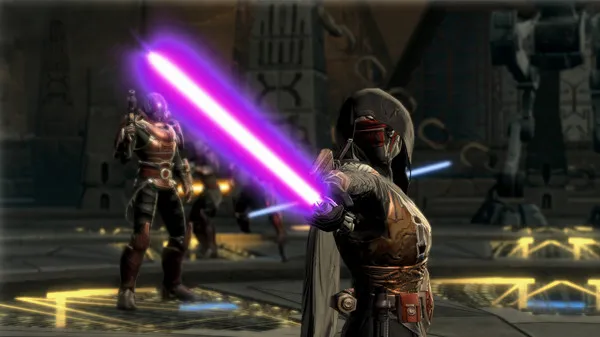
In its first two years, SWTOR's PvP was a major attraction for players on both Republic and Empire sides. It included a well-structured variety of content such as Huttball, Voidstar, Novare Coast, and Alderaan Civil War.
Warzones were fresh, fast-paced, and encouraged teamwork. The maps had clear mechanics, and the overall combat system rewarded timing, coordination, and skill. Ranked PvP hadn’t yet arrived, but the unranked 8v8 environment was active, balanced, and exciting.
The game also supported cross-server competition indirectly through leaderboards and bragging rights, fostering organic rivalries. PvP was a key reason many stuck with SWTOR despite its flaws elsewhere — it felt alive.
2. The Rise (and Fall) of Ranked Arenas
When Ranked Arenas were introduced in Game Update 2.4, they were meant to bring SWTOR’s PvP into the esports-adjacent space with structured 4v4 battles. The idea was to give elite players a place to compete and shine.
At first, Ranked energized the PvP community. Solo and team queues allowed flexibility, and leaderboard seasons encouraged repeat engagement. But it also introduced severe issues: balance problems were magnified in smaller matches, and toxicity grew rapidly.
Without proper moderation, Ranked PvP became a toxic arena where win-trading, flaming, and smurfing were common. The barrier to entry also became steep, with new players discouraged by gear gaps and skill mismatches.
3. The Gear Gap and Expertise Stat
One of the key design flaws in PvP was the reliance on PvP-specific stats — particularly Expertise. Players needed to grind Warzones for commendations to buy gear, and PvE players were crushed in PvP without it.
This created an artificial wall between playstyles. A new player, even if skilled, could not compete with geared opponents. It drove people away from PvP before they even had a chance to engage with it seriously.
While Expertise was eventually removed, its legacy persists in how gear progression and performance imbalance still affect PvP engagement. Gearing remains convoluted, and newer players still face barriers that discourage casual participation.
4. Stagnant Content and a Lack of New Warzones
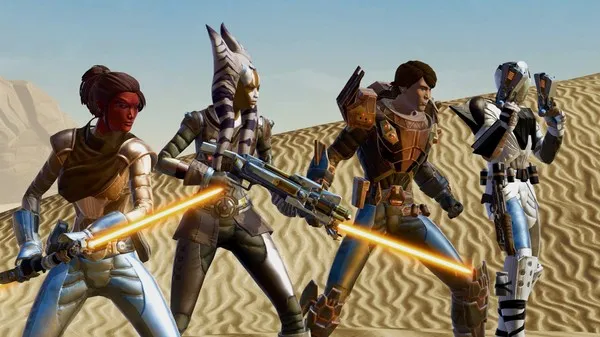
Over a decade into the game’s life, SWTOR has failed to introduce new Warzones consistently. As of 2025, the last new PvP map was added several years ago. No new PvP mechanics, objectives, or creative environments have been introduced since.
The same Warzones — Huttball, Novare Coast, Voidstar — are played over and over. While they’re classics, the repetition has worn thin. Most competitive games thrive on variety and fresh mechanics. SWTOR’s PvP feels stuck in 2015.
Galactic Starfighter, an early attempt to expand PvP into 3D space, was similarly abandoned with no new maps or ships. What could’ve been a whole new PvP layer instead became a side note.
5. Class Balance and Meta Fatigue
SWTOR’s class system is rich and diverse, but the PvP balance has always lagged behind. In some seasons, one or two specs dominate all others, and balance patches often come too late or not at all.
Damage-over-time specs (e.g., Madness Sorcerer, Hatred Assassin) and stealth classes (e.g., Operatives) have repeatedly risen to meta dominance, frustrating other playstyles. Tanks and healers sometimes feel either useless or overpowered depending on the patch.
Balance updates are infrequent, and sometimes entire metas go unaddressed for 6–12 months. This stagnation drives competitive players to other games where class balance is more responsive and consistent.
6. PvP Seasons: Flashy Rewards, Shallow Impact
In 2023, SWTOR introduced PvP Seasons, essentially a battle pass system that gives cosmetics and gear tokens for completing daily and weekly PvP objectives.
While it temporarily revived interest in PvP, the core gameplay remained unchanged. Players quickly realized they were playing the same old maps, with the same class imbalances, against the same players.
The rewards — armor sets, weapon skins, emotes — are great for collectors, but they don’t fix PvP’s fundamental problems. Many players complete the track and then leave PvP for months, treating it as a checklist rather than an active mode.
7. Matchmaking and Queue Times
SWTOR lacks a smart matchmaking system. Players of vastly different gear levels, skill levels, and group coordination are often matched together in both Ranked and Unranked.
This leads to frequent stomps, where one side dominates the other in under 5 minutes. These matches are demoralizing for the losing team and boring for the winning one. Close, exciting matches are rare.
Queue times also fluctuate wildly. During off-hours or on less populated servers, players may wait 10–15 minutes just for a Warzone pop — only to get matched against a full premade team, further discouraging participation.
8. Community Fragmentation and Decline
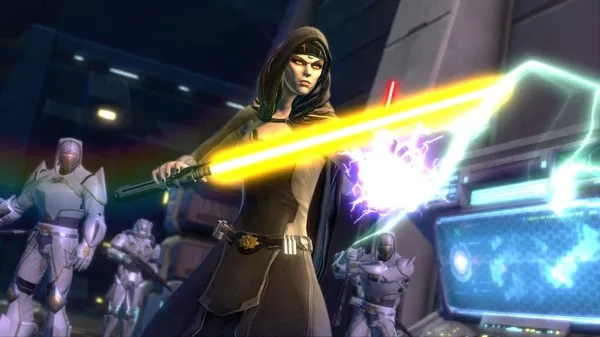
Over time, as PvP grew more toxic and unrewarding, many of SWTOR’s top PvP streamers, YouTubers, and community organizers left the game. Without influencers promoting high-level play, visibility of PvP declined.
Guilds stopped recruiting for PvP. Players who once logged in daily for Ranked or Warzones drifted to other games like World of Warcraft, Final Fantasy XIV, or ESO. SWTOR’s PvP community became smaller, older, and more insular.
New players entering the game rarely get mentored into PvP. Instead, they either get discouraged by poor matchmaking or stick to story content, never seeing PvP as a viable or fun endgame option.
9. Cross-Faction Play and Loss of Identity
In an effort to improve matchmaking and queue times, SWTOR introduced cross-faction queuing — allowing Republic and Imperial players to team up in Warzones.
It helped queue times but came at a cost. The faction identity — one of SWTOR’s strongest elements — was undermined. Seeing Sith fighting beside Jedi felt wrong to many, especially roleplayers.
Faction pride, once a key motivation for PvP participation, was diminished. PvP became more like a generic arena shooter than a Star Wars battlefield with narrative stakes.
10. Can PvP Be Revived in SWTOR?
The PvP community isn’t dead, but it’s on life support. The same dedicated core continues to show up, but their numbers dwindle each year. To truly revive PvP in SWTOR, real change is needed.
Here’s what the developers could do:
- Introduce at least one new Warzone or Arena map per year
- Schedule quarterly class balance patches, even if minor
- Normalize gear in PvP to level the playing field
- Reintroduce faction-based competition with unique rewards
- Improve matchmaking to group similar gear/skill levels
- Offer more meaningful leaderboard tracking for Solo and Team queues
- Expand PvP Seasons with dynamic goals and gameplay modifiers
None of these solutions are impossible. They require development resources and a commitment to treating PvP as a core system — not a relic of the past.
Conclusion
SWTOR’s PvP scene once stood as a pillar of the game’s endgame content, filled with passionate players, varied maps, and high-stakes encounters. Over time, a combination of developer neglect, poor balance, lack of content, and community fragmentation has brought PvP to the edge of irrelevance.
Yet the potential remains. PvP in a Star Wars setting — with lightsabers clashing, blasters flying, and Force users dueling — will always have appeal. But unless SWTOR reinvests in its PvP ecosystem, that potential may never be realized.