![Simpsons [HORROR]](https://arbcdn.techfast.vn/0b51753c5bc9486bb6dfb8974ef220ab.webp)







In the brutal sandbox of 7 Days to Die, players must scavenge, build, and survive against relentless zombie hordes. While the game offers a rich blend of survival mechanics and RPG elements, one persistent issue has divided its community: the progression system. Specifically, how loot quality, player level, and perk gating interact to shape the gameplay experience. This article explores the nuances of progression in 7 Days to Die, focusing on how it affects player agency, pacing, and long-term engagement.
Early Game: The Illusion of Freedom
In the first few in-game days, players are dropped into a hostile world with only a stone axe and a handful of tutorial quests. The game encourages exploration, but loot tables are tightly controlled by player level and perks.
Despite the open-world design, early loot is intentionally poor. Players find broken tools, low-tier weapons, and minimal supplies. This scarcity is meant to build tension, but it also creates a false sense of freedom. You can explore anywhere—but you won’t find anything useful until the game decides you’re ready.
Locked Behind Levels
- Quality loot is gated by player level and perk investment
- Early exploration yields repetitive, low-value items
- Skill books and schematics are rare and often redundant
This paradox—freedom without reward—undermines the motivation to explore early on.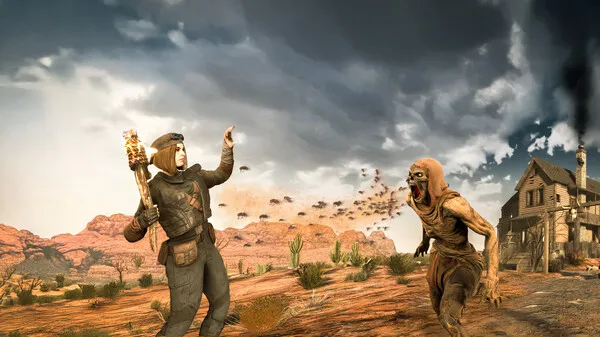
Skill Gating: The Perk System’s Grip on Progress
7 Days to Die uses a perk-based progression system tied to attributes like Strength, Agility, and Intellect. Each unlocks specific perks that govern crafting, combat, and loot quality.
While this adds depth, it also creates bottlenecks. Want to craft decent firearms? You’ll need to invest heavily in Intellect. Want better melee damage? Strength is your path. This rigid structure forces players into narrow builds early on.
Perk Dependencies
- Crafting recipes are locked behind high-tier perks
- Weapon effectiveness scales poorly without perk investment
- Loot quality is tied to “Lucky Looter” and player level
Players often feel forced to min-max their builds, sacrificing creativity for efficiency.
Mid-Game Plateau: The Loot Drought
By day 14–21, players usually have a base and some defenses. But loot remains throttled. Traders offer limited inventory, and containers still yield low-tier items unless perks like “Better Barter” or “Lucky Looter” are maxed.
This creates a mid-game plateau. Players survive the early game but their gear stagnates. The grind for better loot becomes tedious, and the sense of reward fades.
Trader Limitations
- Trader inventories scale slowly with player level
- Quest rewards are often underwhelming
- Bartering perks are essential for meaningful purchases
The mid-game becomes a repetitive cycle with little payoff, leading to burnout.
Loot RNG: The Tyranny of Randomness
Loot is governed by RNG that considers player level, loot stage, biome difficulty, and perks. While randomness adds excitement, it also introduces frustration. Players can search dozens of containers and find nothing useful, while others get lucky early on.
This inconsistency undermines progression. Players who invest in perks and explore dangerous areas may still be punished by bad RNG.
Biome-Based Loot Stages
- Loot quality improves in harder biomes
- Players must risk death for better rewards
- Even high-tier areas can yield low-tier loot
RNG-driven loot erodes trust in the game’s systems and disconnects effort from reward.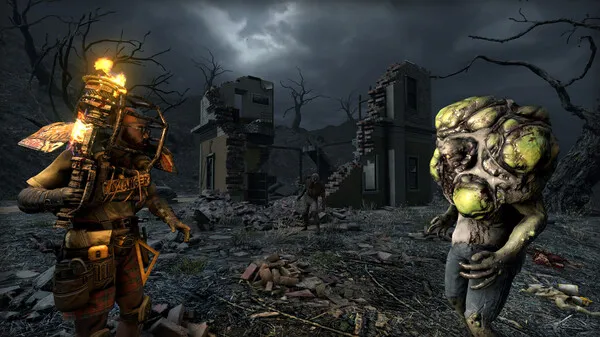
Crafting vs. Looting: A Broken Relationship
Crafting is central to 7 Days to Die, but often overshadowed by looting. Players can craft weapons and tools—but only with the right perks and schematics. This creates a frustrating dependency loop.
Why invest in crafting perks if looted items are better? Why explore for schematics if RNG rarely delivers what you need?
Crafting Bottlenecks
- High-tier crafting requires multiple perk investments
- Schematics are rare and often duplicate
- Looted items can outclass crafted gear
This imbalance discourages crafting-focused builds and reduces player agency.
Endgame Gear: The Power Spike Problem
Once players reach level 50+, loot tables yield Tier 5 weapons, military armor, and advanced tools. This sudden power spike shifts gameplay dramatically. Zombies become trivial, and base defenses rarely fail.
While satisfying, this power fantasy shortens the challenge curve. Players quickly find themselves bored.
Tier 5 Gear Effects
- One-shot kills become common
- Base defense becomes automated
- Loot becomes redundant
The endgame lacks meaningful goals, and players often abandon their worlds after “winning” the loot lottery.
Horde Nights: Scaling vs. Gear Progression
Every seven days, players face a blood moon horde. These scale with player level and game stage. But this exposes flaws in progression.
If players lack adequate gear, horde nights are punishing. If they’re over-leveled, hordes are trivial. The lack of scaling based on gear quality creates uneven difficulty.
Horde Mechanics
- Zombie difficulty scales with player level
- Gear quality does not affect horde scaling
- Base design can trivialize horde threats
Misaligned progression reduces the survival challenge and tension of horde nights.
Multiplayer Progression Disparity
In multiplayer, progression issues are magnified. Players who specialize in looting or crafting can outpace others, creating gear imbalances. Shared loot pools lead to conflict, and perk dependencies make team roles rigid.
New players joining mid-game are underpowered and must grind to contribute meaningfully.
Team Role Challenges
- Specialized builds limit flexibility
- Loot hoarding creates tension
- Late joiners face steep progression curves
Progression disparity undermines teamwork and discourages cooperative play.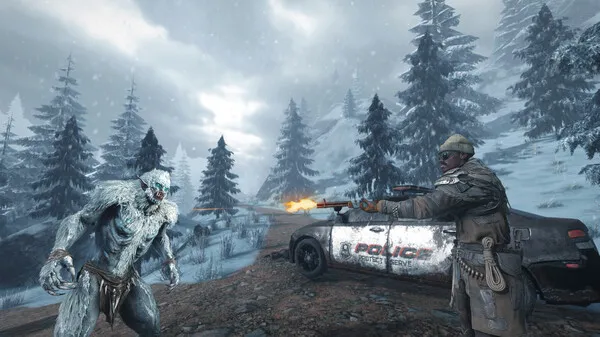
Modding and Community Fixes
Recognizing these flaws, the modding community has developed numerous fixes. Mods like “War of the Walkers” and “Darkness Falls” overhaul loot tables, perks, and crafting systems.
These mods introduce dynamic loot scaling, perk rebalancing, and new progression paths. They highlight the community’s desire for a more rewarding and flexible experience.
Popular Mod Features
- Rebalanced loot tables
- Expanded perk trees
- Dynamic difficulty scaling
Modding has become a lifeline for players seeking a more satisfying progression system.
Conclusion
7 Days to Die offers a compelling survival experience, but its progression system often undermines player agency and pacing. From early-game scarcity to endgame power spikes, the loot and leveling mechanics create a rollercoaster of frustration and reward. While modding offers solutions, the core game still struggles to balance freedom with structure. For 7 Days to Die to reach its full potential, its progression system must evolve to reward effort, support diverse playstyles, and maintain challenge throughout the game