





A Golden Age Revisited: The Call of Cyrodiil
For millions of fans, the province of Cyrodiil holds a place of reverence in gaming history. It was the setting for an adventure that defined a generation of open-world RPGs: The Elder Scrolls IV: Oblivion. The original game introduced a vibrant, seemingly limitless fantasy world, a revolutionary Radiant AI system that brought its NPCs to life, and a central conflict—the fiery invasion from the hellish realm of Oblivion—that remains one of the series' most iconic moments. A hypothetical Oblivion Remastered would not merely be a graphical polish; it would be a chance to re-experience that golden age of fantasy with modern sensibilities.
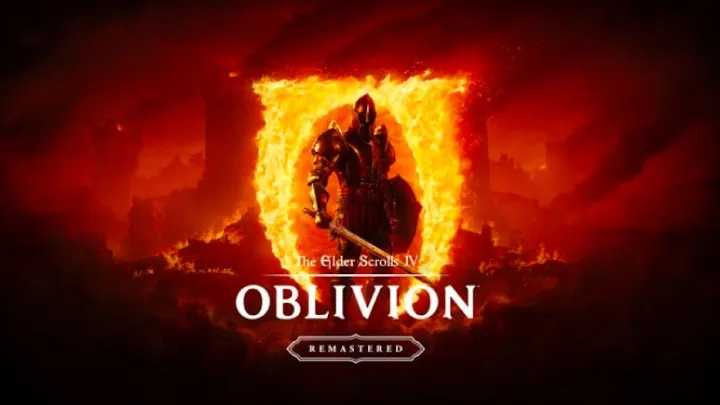
The core excitement for a remastered edition lies in three foundational pillars: the Visual Reimagining, the Streamlined RPG Mechanics, and the Preservation of the Grand Narrative.
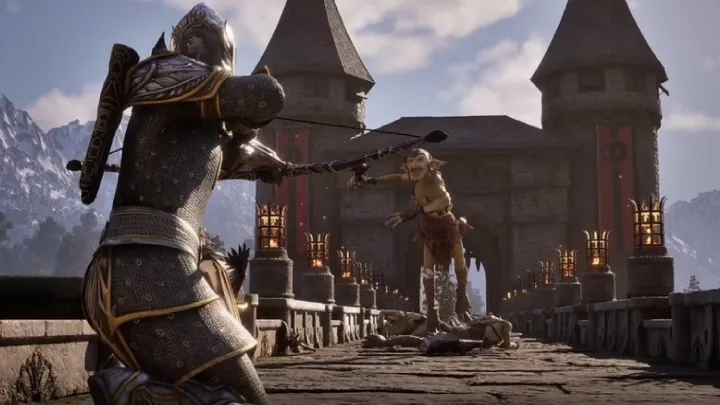
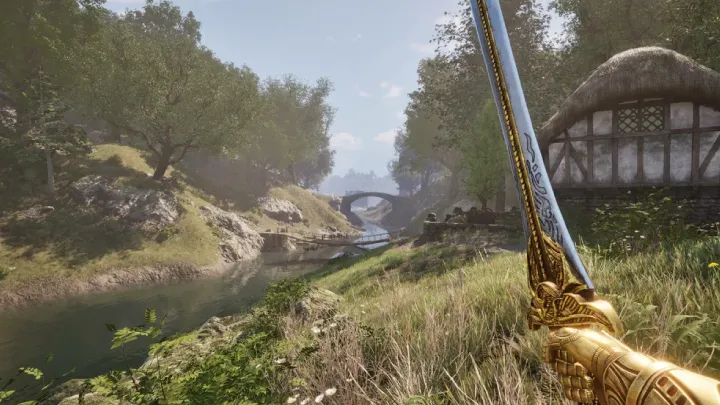
The Visual Reimagining is the most crucial element. While the original game was stunning for its time, its graphical fidelity and character models are now dated. A proper remaster would leverage modern rendering techniques to bring the lush forests, ancient ruins, and imperial architecture of Cyrodiil to breathtaking life. Imagine the majestic White-Gold Tower rendered in native 4K, the eerie red glow of the Oblivion Gates casting realistic dynamic shadows, and character models finally possessing the detail to convey the emotional weight of the game's powerful story. This graphical overhaul would not just be cosmetic; it would deepen the player's immersion in the world.
The Streamlined RPG Mechanics address the original's divisive systems. While the class and skill system was deep, the notorious Level Scaling often penalized players for leveling up, leading to a strange difficulty curve. A modern remaster would likely revisit this system, perhaps offering more meaningful choices upon level-up, a balanced approach to enemy scaling, or implementing quality-of-life features derived from later titles like Skyrim. This update would honor the depth of the original while making the moment-to-moment gameplay feel more rewarding and less frustrating.
The Rhythm of the Gate: Updates and Post-Launch Content
A successful modern remaster of Oblivion would not stop at the launch product. It would embrace the original game's philosophy of constant expansion, providing players with more reasons to explore and lose themselves in the province of Cyrodiil.
The Integration of Legendary Expansions
The Integration of Legendary Expansions is a highly anticipated feature. The original game featured two seminal pieces of DLC: Knights of the Nine and, more importantly, Shivering Isles. A remaster would launch with these expansions seamlessly integrated into the main game world, allowing players to begin their journey into the twisted, beautiful realm of the Daedric Prince of Madness, Sheogorath, much sooner. Updates could focus on further polishing these already classic worlds, perhaps adding new quests or refining their specific mechanics to match the new engine.
Equally important is the potential for Quality-of-Life Updates. These wouldn't be massive content drops, but targeted refinements based on years of community feedback. Imagine an improved journal and quest tracking system, a more intuitive inventory interface, and enhanced fast-travel options that respect player immersion. These small, continuous updates would ensure the remastered experience is the definitive version of the game, blending nostalgic charm with modern convenience.
A Legacy of Grandeur
The Elder Scrolls IV: Oblivion Remastered represents a potential moment of celebration for the entire RPG genre. It is a game that is not just about nostalgia; it is about proving that a well-designed, open-world fantasy can stand the test of time when given a modern touch.
The future for this hypothetical project would be bright, demonstrating a commitment to the beloved series' history. As the gaming world waits for the next mainline entry, a definitive return to Cyrodiil with a remastered vision would be the ultimate gift to fans, ensuring that the legacy of the Elder Scrolls IV remains as grand and unforgettable as the day the gates first opened.