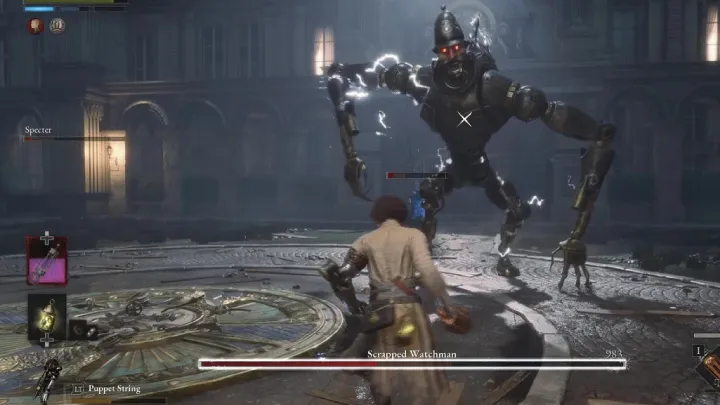





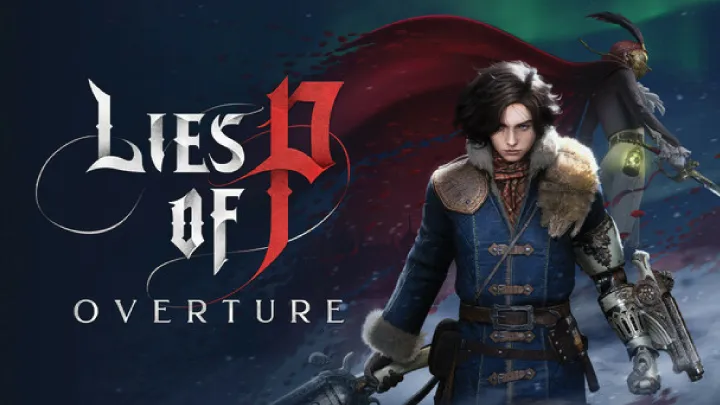
Lies of P, a unique action RPG inspired by the tale of Pinocchio, has garnered attention not just for its mechanics and atmosphere but also for its intricate narrative design. One of the most compelling issues within the game is how the narrative intertwines with gameplay, character development, and moral choices—ultimately shaping the player’s journey through its beautifully crafted world. This article delves deep into the narrative structure of Lies of P, exploring how choices influenced by themes of trust, deception, and identity enrich the player experience.
The Narrative Landscape of Lies of P
To understand the storytelling in Lies of P, it’s important to first establish the framework of its narrative and how it diverges from traditional storytelling tropes.
Setting the Scene: A Dark, Belle Époque World
Lies of P is set in a dark, Belle Époque-inspired world where the style is as critical as the narrative itself. This aesthetic choice plays a significant role in the story's atmosphere and tone.
- Art Direction
- The gritty, gothic art style creates a sense of foreboding, mirroring the game's darker themes. The contrasting beauty and horror in the environment reflect the struggle between hope and despair present in the narrative.
- Worldbuilding
- The setting includes various districts, depicting tales of lost nobility and broken machines, adding depth to the overarching narrative. Players unravel the fabric of this world through exploration, piecing together its lore from environmental storytelling and NPC interactions.
The Role of Pinocchio's Concept of Lying
Central to Lies of P is the exploration of lies themselves, particularly how they shape identity and morality.
- Lies as a Plot Mechanism
- The protagonist, P, is tasked with navigating a world filled with deceit. The fluid nature of truth and lies serves as a backdrop for character motivations and conflicts. This aspect encourages players to consider the implications of their actions as they progress through the game.
- Narrative Choices and Consequences
- Players are faced with decisions that challenge their morality, and whether they choose to lie or tell the truth can significantly alter the game's narrative tapestry. This element deepens the immersion, inviting players to contemplate their actions and their repercussions.
The Character Development Arc in Lies of P
The characters in Lies of P are richly developed, each embodying themes that resonate throughout the narrative. Understanding these arcs helps illuminate the connections between character development and the overarching story.
P: A Journey of Self-Discovery
The protagonist, P, serves as a vessel for player choices and moral dilemmas. His character arc evolves based on player decisions, highlighting key themes of trust and deception.
- Innocence and Corruption
- P starts as an innocent, naive figure, reminiscent of the classic Pinocchio tale. However, as players navigate the treacherous landscape filled with moral ambiguity, P’s journey transforms him. He grapples with choices that force him to confront his identity.
- Adaptive Narrative Experience
- Players’ decisions, whether benevolent or malevolent, dictate who P becomes. This adaptability promotes a personal connection to the character and encourages multiple playthroughs to explore the varied outcomes.
Supporting Characters: Mirrors of P's Journey
Characters that accompany or oppose P further enrich the narrative.
- Geppetto: The Father Figure
- Geppetto embodies both protection and manipulation. His complex relationship with P evokes themes of parental influence and autonomy, contributing to the overarching narrative tension. Players must navigate the nuances of loyalty and betrayal in their interactions with him.
- The Antagonists: Shadows of Truth
- The game's antagonists serve as reflections of P's struggles. Each character presents a unique perspective on lying, morality, and the consequences of choices. Their interactions with P force players to evaluate their values and objectives.
The Mechanics of Choice and Consequence
A hallmark of Lies of P is its complex choice architecture, which impacts the narrative and gameplay.
The Choice System: A Double-Edged Sword
Lies of P features a choice system that encourages players to engage deeply with the narrative. Each choice has the potential to alter paths, outcomes, and character fates.
- Trust vs. Deception Mechanics
- The gameplay mechanics intertwine with narrative decisions. Players face dilemmas where they must choose whether to lie or tell the truth, impacting relationships with other characters and altering the course of the story.
- Multiple Endings
- The choices made throughout the game lead to multiple distinct endings, allowing players to experience the narrative in several ways. This system creates a sense of agency for players, encouraging them to reflect on their decisions and their ramifications.
Moral Ambiguity and Player Agency
The decision-making process in Lies of P is rife with moral ambivalence, challenging players to weigh their choices carefully.
- Consequences of Lying
- Choosing to lie may yield immediate benefits but often leads to unexpected long-term consequences, shaping character arcs and relationships. This complex web of cause and effect encourages players to think critically about their choices.
- Building Relationships
- Player decisions regarding trust influence the development of relationships with other characters. These interactions enhance emotional involvement and heighten the stakes of each choice, making the narrative feel alive.
The Emotional Weight of Lies
Within Lies of P, the themes of trust and deception carry significant emotional weight, further deepening the narrative's impact.
Emotional Resonance through Storytelling
The emotional resonance of the story is amplified through character interactions and narrative depth.
- Connection to Themes
- The exploration of betrayal, identity, and redemption elicits genuine emotional responses from players. Characters embody these themes, making their struggles relatable and poignant.
- Symbolism of Lies
- Lies serve as symbols of protection, fear, and manipulation throughout the narrative. Players are encouraged to empathize with characters who lie to protect themselves or others, illustrating the complex nature of morality.
The Role of Cinematic Storytelling
Cinematic elements enhance the emotional impact of the narrative.
- Visual Storytelling
- Key moments are delivered through striking visuals and animations, emphasizing the emotional stakes of decisions. For instance, dramatic cutscenes highlight moments of betrayal or revelation, drawing players into P’s journey.
- Musical Composition
- The music in Lies of P plays a crucial role in establishing the emotional tone. Themes shift in response to gameplay, guiding players’ emotional journeys as they navigate through the world.
The Impact of Player Engagement
Player engagement is a vital element in Lies of P, shaping the overall experience through choice and community involvement.
Community Interaction and Feedback
As the game develops, player feedback shapes ongoing narrative and gameplay adjustments.
- Playtesting and Engagement
- Early access and beta testing phases allow players to provide vital feedback. Developers often incorporate community insights, refining gameplay and narrative elements to align with player expectations.
- Building Trust within the Community
- Establishing transparent communication about updates and narrative adjustments fosters trust between developers and players. This interaction enhances the overall experience and promotes ongoing investment in the game.
Post-Launch Narratives and Expansions
Upon release, Lies of P can continue to expand its narrative universe through additional content.
- Post-Launch Story Updates
- Future story expansions could introduce new characters or plot lines that build upon the existing narrative, allowing players to further explore the themes of trust and deception in new contexts.
- Community Events
- Special events or collaborative experiences can enhance player engagement, offering limited-time narratives that encourage exploration of character arcs in new and exciting ways.
Anticipation for Lies of P: Cultural and Genre Impact
As anticipation grows around Lies of P, its narrative design is set to influence both the gaming community and the broader genre of action RPGs.
Shifting Genre Expectations
Lies of P sets itself apart through its ambitious approach to storytelling and morality, shaping how similar games might design their narratives in the future.
- Narrative-Driven Gameplay
- The integration of complex narratives within action-oriented gameplay sets a precedent for future titles. Developers may increasingly focus on character-driven storytelling to engage players deeply.
- Exploration of Morality in Games
- The nuanced depiction of lies and trust invites players to think critically, pushing the boundaries of moral storytelling in games. This evolution could inspire more developers to explore similar themes.
Cultural Conversations
Lies of P provides a platform for deeper cultural conversations regarding honesty, trust, and deception.
- Reflections of Society
- The game's exploration of deception invites players to reflect on their own relationships and moral choices. By addressing these themes within a fantastical narrative, Lies of P encourages dialogue about ethics in real-world contexts.
- Community Dialogue
- Player discussions surrounding the themes of Lies of P can foster meaningful conversations about morality in game design and its impact on player perceptions.
Conclusion: Lies of P and Its Narrative Legacy
Lies of P masterfully intertwines narrative design with gameplay mechanics, presenting a rich tapestry of characters, choices, and moral dilemmas. The game's exploration of trust and deception offers players unique, engaging experiences that resonate both emotionally and intellectually. By allowing players to shape the narrative through their actions, Lies of P elevates the storytelling experience, pushing the boundaries of what action RPGs can achieve. As players navigate this intricate world, the appeal of Lies of P lies not just in its mechanics but in its ability to inspire deeper reflections on identity and morality.