


The Isle is a survival game unlike any other, immersing players in a prehistoric world where they inhabit dinosaurs and face the raw brutality of survival. Unlike conventional survival titles, The Isle’s entire ecosystem hinges on predator-prey dynamics. One of the most controversial and fascinating issues in the game is survival balance. Predators dominate through raw power, while herbivores rely on community, stealth, and patience. This balance—or at times imbalance—defines the core gameplay experience and heavily influences player enjoyment. In this article, we will dive deeply into this specific issue, tracing how balance evolved over time, how the community perceives it, and what it means for the future of The Isle.
The article will be structured through ten stages of meaning and time, from the early days of imbalance to the long-term consequences for competitive play and community culture.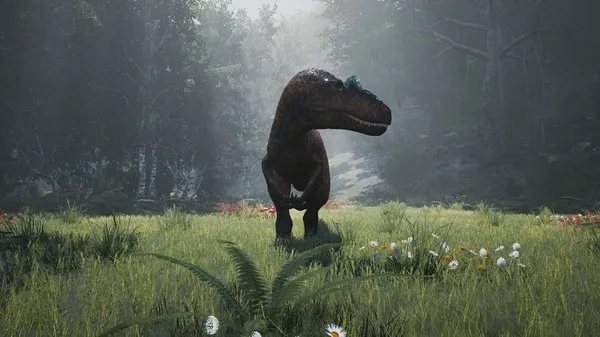
The Dawn of Imbalance in The Isle
When The Isle first released, predator species quickly became the dominant playstyle. Players gravitated toward carnivores like the Tyrannosaurus Rex and Utahraptor, drawn by their strength and ability to engage in direct combat. Herbivores, in contrast, were left vulnerable, especially since group coordination was harder to maintain in public servers. This early imbalance created frustration for those who wanted to explore the game as a peaceful grazer. Many herbivores became “walking meals” rather than meaningful roles.
At this stage, survival felt more like a waiting game for herbivores, while predators engaged in high-energy hunts. The lack of equilibrium began to polarize the community. Some defended the realism of predators dominating, while others argued that a game needs fairer mechanics to sustain long-term engagement.
The First Adjustments by Developers
Recognizing the tension, the developers introduced several changes aimed at creating more balance. Herbivores received buffs in stamina regeneration, damage resistance, and group synergy. Predators were forced to manage hunger and thirst more carefully, meaning they could not endlessly hunt. These adjustments shifted the balance slightly, giving herbivores a fighting chance.
While these fixes improved playability, they also sparked new debates. Predators argued that realism was being sacrificed for fairness, while herbivores finally felt validated. This marked the beginning of a tug-of-war between competing playstyles.
The Rise of Group Dynamics
As updates rolled out, group survival became a cornerstone of The Isle. Herbivores gained distinct advantages when banding together—extra defense, early detection of threats, and higher survivability. This encouraged social play and added a layer of strategy. For predators, hunting became more dangerous, requiring coordinated ambushes rather than brute force.
However, this also created a new problem: solo players. Lone wolf predators often found themselves unable to hunt organized herds, while lone herbivores remained easy prey. This raised the question of whether The Isle should cater to group-based realism or maintain balance for solo players.
The Predator’s Hunger Problem
Another critical stage in survival balance came with predator hunger mechanics. Developers introduced harsher hunger decay, forcing predators to constantly seek food. While this added tension, it inadvertently punished predator players more than intended. Starvation became more of a threat than combat failure.
This change sparked backlash, with many predators feeling that the system artificially limited their gameplay. Instead of organic hunts, predators often felt rushed or forced into repetitive cycles of feeding. This highlighted how delicate survival balance was—every tweak risked alienating half the player base.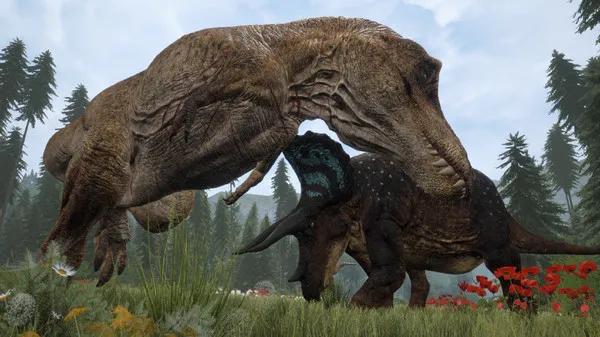
Herbivore Defensive Evolution
To further support herbivores, developers introduced stronger defensive abilities. Some species could now inflict heavy damage, kick predators back, or even kill smaller hunters outright. This development gave herbivores a new sense of agency, transforming them from passive prey into legitimate threats.
Still, this adjustment risked flipping the imbalance. Some predators began to complain that herbivores were too powerful in groups, especially with defensive buffs stacking together. The game’s core survival loop once again felt unstable.
Community Division and Roleplay Culture
The ongoing struggle with balance shaped the community itself. Many players split into two camps: competitive hunters versus immersive roleplayers. For roleplayers, imbalance didn’t matter much—they enjoyed the experience of existing as a dinosaur, whether predator or prey. For competitive players, however, every imbalance felt like a dealbreaker.
Roleplay servers became a refuge for those who valued immersion over winning, while official servers remained battlefields of constant complaints. This divide highlighted how survival balance wasn’t just a gameplay issue—it was a cultural one.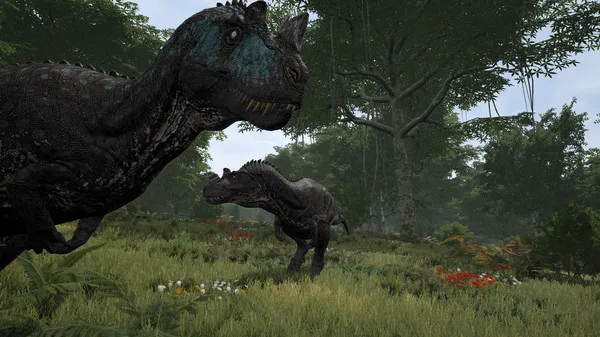
Long-Term Survival Fatigue
As time passed, survival fatigue set in for many players. The endless predator-herbivore cycle began to feel repetitive, especially when balance changes swung too heavily in one direction. Some players left the game entirely, citing the inability to find a fair middle ground.
The challenge for The Isle was clear: how to make survival meaningful, engaging, and fair without diluting realism. Balancing raw power, group coordination, and resource scarcity required constant developer attention.
Experimental Balance Systems
In response, developers experimented with new systems like dynamic ecosystems. Instead of static rules, predator and herbivore success would shift depending on population numbers, food scarcity, and migration patterns. This ecosystem-driven balance aimed to create organic fairness rather than artificial buffs.
The idea was revolutionary but difficult to perfect. It required complex AI systems, server stability, and community patience. Still, it represented a major step toward resolving the survival balance dilemma.
The Future of Balance in The Isle
Looking forward, The Isle’s greatest challenge remains finding harmony between predator dominance and herbivore survival. The developers continue to test mechanics that encourage dynamic gameplay, but they must also navigate the divided expectations of their player base.
The game’s future depends on whether it can strike a balance that is both fair and immersive. If successful, The Isle could set a new standard for asymmetrical survival games. If not, it risks losing long-term players to frustration and fatigue.