





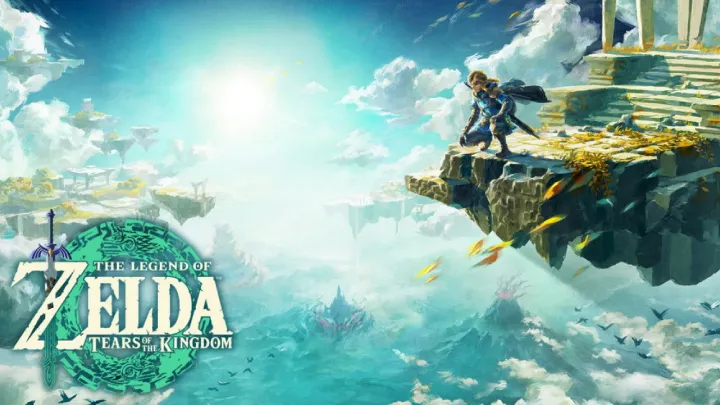
In the realm of modern video games, few titles have garnered as much acclaim and influence as The Legend of Zelda: Breath of the Wild. Released in 2017, this game redefined open-world design and player freedom, offering a vast landscape filled with secrets, challenges, and a unique approach to storytelling. This article will delve deeply into the specific issue of exploration and player agency in Breath of the Wild, examining how the game empowers players to carve their own paths and the implications of this design choice on gameplay experience, narrative engagement, and the broader gaming landscape.
The Open World: A New Paradigm
Redefining Exploration
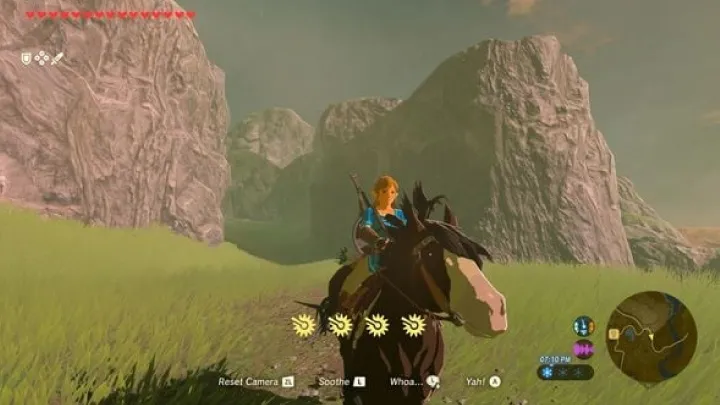
Breath of the Wild introduced players to the expansive land of Hyrule, a beautifully crafted world that invites exploration at every turn. Unlike its predecessors, which often funneled players through a linear series of objectives, Breath of the Wild offers a sprawling environment where players can choose their own adventure. This open-world design allows for a sense of discovery that is both exhilarating and daunting. Players are encouraged to venture off the beaten path, with hidden shrines, Korok seeds, and environmental puzzles scattered throughout the landscape.
This emphasis on exploration is not merely for the sake of wandering; it serves a critical purpose in enhancing player agency. Players have the autonomy to approach challenges in various ways, whether through combat, stealth, or puzzle-solving. This freedom fosters a personal connection between the player and the game world, as each discovery feels earned and unique to the individual's journey.
The Role of Physics and Chemistry
One of the most significant innovations in Breath of the Wild is its physics and chemistry systems. These systems allow players to interact with the environment in creative ways, further enhancing the exploration experience. For instance, players can manipulate objects, create fires, or use elemental interactions to solve puzzles or defeat enemies. This level of interactivity transforms the game from a traditional adventure into a sandbox where experimentation is rewarded.
The inclusion of such mechanics encourages players to think critically about their surroundings. Rather than simply following a guide or a set path, players must assess their environment, consider their options, and devise creative solutions to the challenges they face. This not only enhances player agency but also deepens engagement with the world of Hyrule.
Player Agency: The Heart of the Experience
Freedom of Choice
At its core, Breath of the Wild is about player agency—the freedom to make choices that shape the gameplay experience. From the moment players step into the game, they are given the choice to explore the vast world at their own pace. The main questline is presented as a loose framework, allowing players to tackle challenges in any order they see fit. This design choice has profound implications for how players engage with the game.
For instance, players can choose to confront the four Divine Beasts in any order, or even ignore them entirely in favor of exploring Hyrule's many regions or completing side quests. This flexibility allows players to tailor their experience to their interests, whether they prefer combat, crafting, or lore exploration. Furthermore, the variety of approaches available to players fosters a sense of ownership over their journey, as each player's experience can be vastly different.
Consequences of Player Decisions
Player agency in Breath of the Wild also extends to the consequences of choices made throughout the game. For example, players can choose how to engage with various factions within Hyrule, influencing their relationships and the outcomes of specific quests. This branching narrative structure adds depth to the gameplay, as players must consider the implications of their actions.
Moreover, the game encourages players to experiment with different strategies and playstyles. The ability to select different weapons, armor, and cooking recipes allows players to adapt to various challenges, reinforcing the idea that their choices matter. This dynamic interplay between player choice and consequence not only enhances immersion but also contributes to a more personalized gaming experience.
Environmental Storytelling: A Subtle Narrative
The World as a Character
Breath of the Wild employs environmental storytelling to convey its narrative, allowing players to uncover the lore of Hyrule through exploration rather than through traditional cutscenes. The placement of ruins, the remnants of ancient battles, and scattered items all contribute to a rich tapestry of history that players can piece together. This approach to storytelling is particularly effective in an open-world setting, as it rewards curiosity and exploration.
For example, players may come across a dilapidated castle, prompting them to wonder about its past and the events that led to its current state. Such discoveries encourage players to engage more deeply with the world, as they seek to understand the history and lore that permeate Hyrule. This method of storytelling also aligns with the game’s emphasis on player agency, as players have the freedom to uncover these narratives at their own pace.
Emotional Resonance
The environmental storytelling in Breath of the Wild also evokes emotional responses from players. The sight of a fallen hero's statue or a village in ruins can elicit feelings of nostalgia and loss, prompting players to reflect on the events that transpired in Hyrule. This emotional resonance enhances the overall experience, as players become more invested in the world and its inhabitants.
By allowing players to discover the story of Hyrule through exploration, Breath of the Wild creates a more intimate connection between the player and the game. Each discovery feels significant, and the emotional weight of these moments is amplified by the sense of agency players possess in shaping their journey.
Challenges and Rewards: A Balanced System
Engaging Combat Mechanics
Combat in Breath of the Wild is designed to be engaging and rewarding, with a focus on strategy and player skill. The game features a diverse array of enemies, each requiring different tactics to defeat. Players can choose to approach combat situations head-on or utilize stealth and environmental elements to gain an advantage. This flexibility in combat design reinforces the themes of exploration and player agency, as players can select their preferred methods of engagement.
The variety of weapons and armor available further enhances the combat experience. Players can experiment with different loadouts, adapting their strategies to suit their playstyle and the challenges they face. This system not only encourages exploration of the game world to find better equipment but also rewards players for their creativity and adaptability in combat.
Rewarding Exploration
The rewards for exploration in Breath of the Wild are plentiful. Players who venture off the beaten path are often rewarded with unique items, powerful weapons, and valuable resources. The discovery of hidden shrines not only grants players Spirit Orbs to enhance their abilities but also serves as a testament to their exploration efforts.
Additionally, the game incorporates a robust cooking system that allows players to create meals and elixirs using ingredients found throughout Hyrule. This aspect of gameplay encourages players to explore the environment in search of rare ingredients, further reinforcing the connection between exploration and reward. The sense of accomplishment that comes from finding a hidden treasure or mastering a new recipe adds to the overall enjoyment of the game.
The Impact on Modern Gaming
Influencing Game Design
Breath of the Wild's approach to exploration and player agency has had a profound impact on modern game design. Its emphasis on freedom and interactivity has inspired developers across the industry to adopt similar principles in their games. Many titles that followed, such as Ghost of Tsushima and Genshin Impact, have incorporated open-world mechanics that prioritize player choice and exploration.
This shift in design philosophy represents a departure from traditional linear gameplay, allowing players to engage with worlds in new and exciting ways. The success of Breath of the Wild has proven that players crave agency and meaningful exploration, pushing developers to rethink how they structure their games.
Redefining Player Expectations
The success of Breath of the Wild has also reshaped player expectations regarding open-world games. Players now anticipate a level of interactivity and freedom that was less common in earlier titles. This has led to a demand for more nuanced gameplay mechanics that allow for creative problem-solving and exploration.
As a result, developers are now tasked with crafting worlds that not only invite exploration but also offer meaningful choices and consequences. This shift in player expectations has the potential to elevate the quality of future games, as developers strive to meet the high standards set by Breath of the Wild.
Conclusion
The Legend of Zelda: Breath of the Wild is a landmark title that has redefined exploration and player agency in video games. Its open-world design, emphasis on player choice, and innovative mechanics have created a rich and immersive experience that resonates with players on multiple levels. By allowing players to explore Hyrule at their own pace, the game fosters a deep connection between players and the world, encouraging curiosity and creativity.
As we look to the future of gaming, the impact of Breath of the Wild will undoubtedly continue to shape the landscape. Its legacy serves as a reminder of the power of exploration and player agency, challenging developers to create worlds that engage and inspire. Ultimately, Breath of the Wild stands as a testament to the potential of video games as a medium for storytelling and personal expression.