



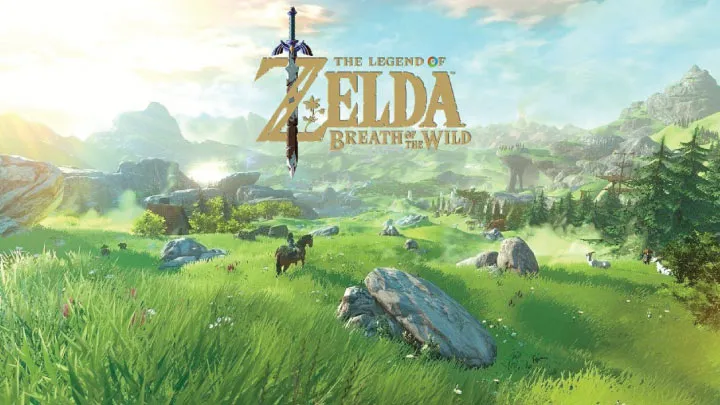
The Legend of Zelda: Breath of the Wild (BotW) has redefined the open-world genre since its release in March 2017. With its vast landscapes, intricate mechanics, and immersive storytelling, the game offers players unparalleled freedom to explore and engage with the world of Hyrule. One of the most significant issues in Breath of the Wild is the impact of its open-world design on player agency—the degree to which players feel they can make meaningful choices that affect their gameplay experience. This article examines how the open-world structure in Breath of the Wild enhances player agency, the challenges it presents, and its implications for game design as a whole.
The Foundations of Open-World Design
Understanding Open-World Mechanics
Open-world games allow players to explore vast environments at their own pace, often providing a sense of freedom and immersion. In Breath of the Wild, players control Link, who awakens from a long slumber to find Hyrule in ruins after a catastrophic event. The game encourages exploration by presenting a world filled with diverse landscapes, hidden secrets, and dynamic interactions.
Breath of the Wild's open-world mechanics differ from traditional linear designs. Instead of following a predetermined path, players can tackle challenges in any order, choose their routes, and engage with the environment in multiple ways. This freedom is central to the game’s identity, allowing players to carve their unique paths through Hyrule.
The Role of Exploration
Exploration is a core element of Breath of the Wild, and the game rewards players for venturing off the beaten path. Hyrule is dotted with shrines, Korok seeds, and other collectibles that encourage thorough exploration. Players can climb mountains, glide across vast distances, and discover hidden caves, each rewarding curiosity with new experiences.
This emphasis on exploration fosters a sense of discovery and wonder. Players are not merely following a checklist; they are uncovering the rich lore of Hyrule and experiencing its beauty firsthand. The game's design encourages players to engage with the world actively, enhancing their sense of agency in shaping their journey.
Player Agency and Choice
Freedom of Approach
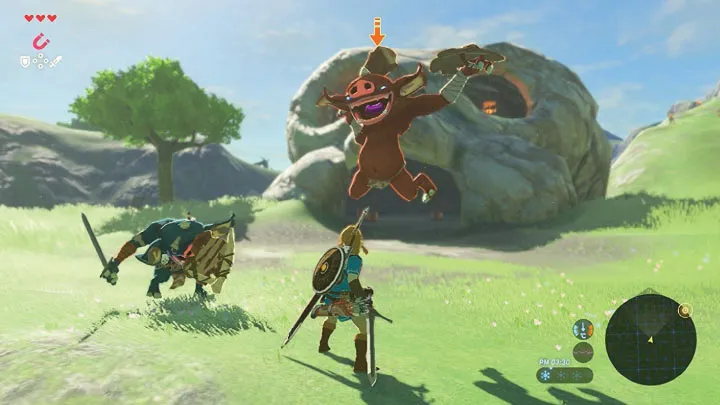
In Breath of the Wild, players have the freedom to approach challenges in various ways. For example, when encountering enemies, players can choose to engage them directly with combat, sneak past them, or use environmental elements to their advantage. This flexibility is a hallmark of the game, allowing players to experiment with different strategies.
The freedom of approach extends to how players tackle the game's primary objectives, such as defeating the four Divine Beasts or confronting Calamity Ganon. Players can choose their order of operations, which creates a personalized gameplay experience. This sense of control over the narrative and gameplay mechanics enhances player agency.
The Impact of Non-Linear Storytelling
Breath of the Wild employs a non-linear storytelling approach, allowing players to piece together the narrative through exploration and discovery. Players can learn about the history of Hyrule, the fate of Princess Zelda, and the backstories of various characters through environmental storytelling, dialogue, and cutscenes.
This non-linear narrative structure empowers players to engage with the story at their own pace. They can choose to focus on side quests, uncover hidden lore, or pursue the main story, creating a sense of ownership over their experience. This flexibility in storytelling enhances player agency, allowing them to shape their understanding of the world.
Challenges in Balancing Freedom and Guidance
The Risk of Overwhelming Choices
While the freedom offered in Breath of the Wild enhances player agency, it can also present challenges. The abundance of choices and possibilities can be overwhelming for some players, particularly those new to open-world games. The vastness of Hyrule may lead to indecision, as players struggle to determine where to focus their efforts.
To mitigate this challenge, the game provides subtle guidance through the use of objectives, NPC interactions, and environmental cues. However, finding the right balance between freedom and guidance is crucial. Players should feel empowered to explore while also having a sense of direction to prevent frustration.
The Importance of Player Experience
Player experience is a vital consideration when designing open-world games. The sense of agency and freedom must be balanced with accessibility and enjoyment. Developers must consider how players of varying skill levels will navigate the challenges presented by the game.
Breath of the Wild's design encourages players to engage with the world in meaningful ways, but it also requires careful consideration of how to guide players without constraining their freedom. The ongoing dialogue between player agency and developer intent is essential for creating a satisfying gameplay experience.
Environmental Interactions and Gameplay Mechanics
Dynamic Physics and Chemistry
One of the standout features of Breath of the Wild is its dynamic physics and chemistry systems. Players can interact with the environment in innovative ways, using objects creatively to solve puzzles and defeat enemies. For instance, players can combine elements like fire and wood to create a campfire or use metal objects to conduct electricity.
These mechanics enhance player agency by allowing for creative problem-solving. Players are encouraged to experiment with their surroundings, leading to a sense of satisfaction when they discover unique solutions to challenges. This level of interaction fosters a deeper connection between players and the game world.
The Role of Cooking and Resource Management
Resource management is another critical aspect of gameplay in Breath of the Wild. Players can gather ingredients, hunt animals, and forage for materials to create meals and elixirs. Cooking not only provides restorative effects but also allows players to experiment with combinations to discover new recipes.
The cooking system adds depth to the gameplay experience, as players must consider their resource management while exploring Hyrule. This emphasis on cooking and resource utilization enhances player agency, as they can tailor their approach to challenges based on their inventory and available resources.
The Emotional Connection to Hyrule
Themes of Loss and Renewal
The narrative of Breath of the Wild explores themes of loss and renewal, resonating deeply with players. The desolate landscape of Hyrule serves as a reminder of the tragedy that has befallen the kingdom. As players explore the ruins of towns and villages, they uncover the stories of those who lived there, fostering a sense of empathy and connection to the world.
Zelda's struggle against Calamity Ganon underscores the themes of resilience and hope. Players witness the impact of her sacrifice and determination to protect Hyrule, further deepening their emotional investment in the story. This connection to the characters and themes enhances the overall gameplay experience, making each victory and discovery more meaningful.
The Power of Exploration
Exploration in Breath of the Wild is not just about discovering new locations; it is also about uncovering the emotional weight of the world. Players find hidden memories, learn about past events, and encounter characters who share their stories. This narrative layer enriches the player experience, making exploration feel purposeful.
The act of exploring Hyrule becomes a journey of self-discovery for players as they engage with the world and its history. The emotional connection forged through exploration reinforces the themes of renewal and hope, creating a more immersive experience.
Community Engagement and Player Experience
The Role of Community Feedback
The success of Breath of the Wild is also attributed to its engagement with the community. Players have shared their experiences, strategies, and discoveries through various platforms, fostering a sense of camaraderie. This community involvement has shaped discussions around gameplay mechanics, favorite locations, and emotional moments in the game.
Riot Games has actively monitored community feedback, incorporating player suggestions into future updates and expansions. This responsiveness demonstrates a commitment to creating a game that resonates with players, enhancing their overall experience.
The Impact of Modding and Fan Creations
The community's creativity extends beyond gameplay; fan art, mods, and fan fiction related to Breath of the Wild have become prevalent. Players often create content that celebrates their favorite characters, locations, and moments from the game. This engagement enriches the cultural significance of Breath of the Wild and reflects the emotional impact it has had on the community.
Modding, while not officially supported by Nintendo, has also allowed players to explore new gameplay experiences and enhance their enjoyment of the game. These community-driven initiatives showcase the lasting impact of Breath of the Wild on its player base.
The Future of Breath of the Wild
Anticipating New Content and Expansions
As the success of Breath of the Wild continues to resonate with players, anticipation for future content and expansions remains high. Nintendo has teased the potential for new adventures, characters, and gameplay mechanics that could further enrich the experience.
Future updates may introduce new regions to explore, expanding the already vast world of Hyrule. Players can look forward to additional quests, challenges, and collectibles that will enhance the gameplay experience and encourage continued exploration.
The Legacy of Breath of the Wild
The legacy of Breath of the Wild extends beyond its immediate success. The game has set a new standard for open-world design, influencing other titles in the industry. Its emphasis on player agency, exploration, and emotional connection has inspired developers to explore similar mechanics in their games.
As players continue to engage with Breath of the Wild, its impact on gaming culture and design will likely endure. The lessons learned from the game will shape the future of open-world experiences, ensuring that the spirit of exploration and creativity remains at the forefront of gaming.
Conclusion
The intricate relationship between time, seasons, and player agency in Animal Crossing: New Horizons has created a rich and immersive experience for players. The game masterfully balances exploration, character interactions, and emotional themes, fostering a deep connection between players and the world of Hyrule.












![Simpsons [HORROR]](https://arbcdn.techfast.vn/0b51753c5bc9486bb6dfb8974ef220ab.webp)