

The Legend of Zelda: Breath of the Wild – The Controversy of Weapon Durability
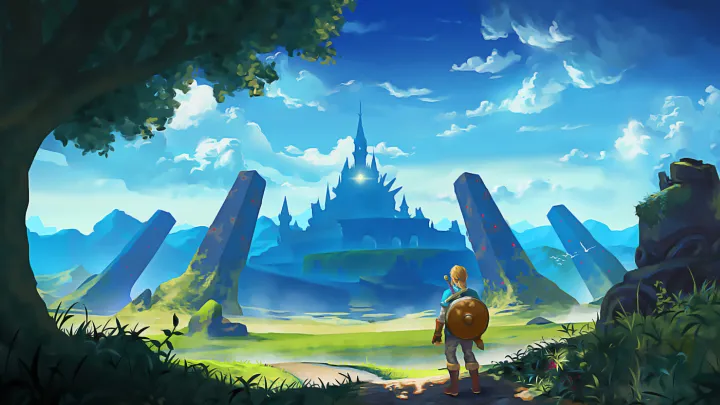
When The Legend of Zelda: Breath of the Wild released in 2017, it redefined open-world gaming with exploration, freedom, and systemic gameplay. Yet, one mechanic continues to divide fans more than any other: the weapon durability system. Unlike past Zelda games, weapons in Breath of the Wild break after repeated use, forcing players to adapt, improvise, and rethink combat. This article explores the issue in depth — from its design intentions to its long-term impact on gameplay, narrative, and player psychology.
The Origins of Weapon Durability in Zelda
The concept of limited weapon usage wasn’t entirely new to Breath of the Wild. In previous Zelda titles, players often had tools tied to puzzles, but weapons like swords, bows, and shields usually lasted forever. Nintendo’s decision to implement fragile weapons was a bold departure, designed to make players experiment with different combat approaches.
Developers reportedly wanted to break the cycle of players clinging to a single “ultimate sword” and instead encourage rotation. The Master Sword itself, traditionally unbreakable, was reimagined with an energy depletion mechanic, further reinforcing the system. This shift set the foundation for one of the most controversial mechanics in modern gaming.
First Encounters: The Shock of Fragility
For many players, the first few hours with the durability system were jarring. Imagine finding a shiny new broadsword, only to watch it shatter after a few battles. Early on, weapons felt scarce, and the loss of a strong blade created frustration. This stark contrast with traditional Zelda gameplay shocked veterans who expected permanency in their arsenal.
This phase introduced what some fans called “inventory anxiety.” Players constantly weighed whether to use their best weapons or save them, creating tension. While some saw this as rewarding strategic thinking, others saw it as unnecessary punishment that interrupted immersion.
Adapting to Scarcity: Improvisation in Combat
As players progressed, they began adapting to scarcity. The world of Hyrule provided countless alternatives: tree branches, moblin clubs, elemental weapons, and even enemy weapons picked up mid-fight. The mechanic pushed players toward creativity in combat, forcing them to adjust strategies based on what was available.
Suddenly, combat became less about raw power and more about resource management. This design philosophy aligned with the survivalist theme of Link awakening in a ruined kingdom, ill-prepared and under-equipped. Nintendo framed durability as not just a gameplay mechanic, but also a narrative tool to reflect the fragility of the world itself.
The Mid-Game Balance: Too Many Choices?
By mid-game, players often found themselves hoarding weapons, filling their inventory slots with spears, claymores, and bows of varying durability. Ironically, this abundance sometimes backfired: rather than encouraging experimentation, it made players reluctant to “waste” their rarest gear.
This led to a phenomenon called the hoarding paradox. Players stockpiled powerful weapons, rarely using them, and defaulted to weaker arms. Critics argue this undermined the very creativity Nintendo wanted to foster, while supporters believed it added strategic depth to decision-making.
The Master Sword Exception
The Master Sword was Nintendo’s compromise. While it didn’t “break” permanently, it would run out of energy and require cooldown. This gave players a sense of security while still respecting the game’s design philosophy. It became the ultimate safety net — a weapon that would never vanish completely, but couldn’t be relied upon endlessly.
This middle ground highlighted Nintendo’s balancing act: maintaining tradition while pushing innovation. However, critics argued that if the Master Sword existed as a semi-permanent weapon, why couldn’t other special weapons follow a similar model?
Player Psychology: Frustration vs. Reward
Psychologically, the durability system tapped into loss aversion, the fear of losing something valuable. Studies in game design show that scarcity often increases perceived value. In Breath of the Wild, every weapon felt precious precisely because it wouldn’t last forever.
However, this also created emotional frustration. Many players reported feelings of disappointment rather than satisfaction when weapons broke mid-battle. For some, the tension enriched immersion; for others, it broke flow and created resentment. The polarizing response revealed how different players interpret “reward” in games.
Community Backlash and Modding Scene
The weapon durability system quickly became a hot topic in online communities. Reddit threads, YouTube essays, and forums debated its merits. Some praised it as a bold mechanic that differentiated Breath of the Wild from other open-world games, while others called it the game’s “biggest flaw.”
In the modding community, fans created mods that removed durability entirely or increased weapon lifespans. The popularity of these mods demonstrated a clear demand for alternatives. Nintendo’s decision, while defensible, clashed with a portion of the player base unwilling to accept fragility as a core design principle.
Tears of the Kingdom: Did Nintendo Listen?
When The Legend of Zelda: Tears of the Kingdom launched in 2023, fans eagerly awaited news on durability. Nintendo retained the system but introduced Fuse mechanics, allowing players to combine weapons with materials to extend durability and add unique effects. This innovation transformed durability from a limitation into an opportunity.
Fuse gave players agency, making them feel less like durability victims and more like inventors. While the core mechanic remained, the addition softened criticism and demonstrated Nintendo’s awareness of community feedback without abandoning their vision.
Comparisons to Other Games
Breath of the Wild wasn’t the first game to experiment with weapon durability. Titles like Dark Souls and Minecraft also featured fragile weapons, but with different levels of severity. Compared to those games, Zelda’s approach was harsher in its early hours but more forgiving with late-game abundance.
The difference lies in genre expectations. Fans expected Dark Souls to be punishing but didn’t expect Zelda to frustrate in the same way. The clash between tradition and innovation magnified criticism, showing how much player expectations shape reception of new mechanics.
Legacy of the Durability Debate
Years after its release, weapon durability remains one of the most discussed features of Breath of the Wild. Some argue it was essential to creating a sense of survival and exploration. Others view it as a flawed experiment that should be abandoned in future titles.
Regardless of opinion, the system left a permanent mark on gaming discussions. It raised questions about how much inconvenience players are willing to tolerate for the sake of design philosophy. Whether you love or hate it, durability shaped the identity of Breath of the Wild and cemented its place in game design history.
Conclusion: A Fragile Yet Powerful Idea
The weapon durability system in The Legend of Zelda: Breath of the Wild remains one of Nintendo’s boldest design choices. It forced players to rethink combat, encouraged experimentation, and tied gameplay to narrative themes of survival and scarcity. Yet, it also frustrated players, sparked community backlash, and became a lightning rod of controversy.
By the time of Tears of the Kingdom, Nintendo evolved the mechanic with innovation, proving that even divisive ideas can grow. Love it or hate it, durability transformed Zelda forever, shaping one of the most influential open-world games of all time.