





Introduction
EA Sports FC 26 promised a more authentic football experience after years of community feedback. While the game delivers improved visuals, more responsive animations, and refined modes, one issue has created waves of frustration: the offside system. Players are penalized for being offside even when they don’t touch the ball, pull back onside in time, or play no part in the attacking move. This strict and sometimes illogical interpretation of the rule has disrupted strategies across modes, leading to debates about whether FC 26 has misinterpreted football itself.
This article dives deep into the problem, analyzing its presence from beta to release, its tactical consequences, its impact in Ultimate Team, and possible fixes that EA should consider.
1. Early Beta Signals: Offside Calls That Made No Sense
From the beta version of FC 26, players quickly noticed strange decisions regarding offsides. Strikers who started in an offside position but pulled back onside before receiving the ball were still flagged. In other cases, attackers who clearly had no intent to interfere with play triggered the referee’s whistle, ending promising moves prematurely.
Testers documented instances where defenders and goalkeepers could have easily dealt with the ball, yet the play was stopped because an attacker was judged offside despite never touching the pass. These early warning signs set the stage for one of FC 26’s most controversial mechanics.
Core Flaw in the Beta
The beta seemed to implement offsides in a binary fashion: if you were offside at the moment the pass was made, you were flagged instantly. This ignored FIFA’s real-life nuance, where only “active involvement” matters. The lack of subtlety meant creative runs were cut short, and the feedback forum lit up with frustration.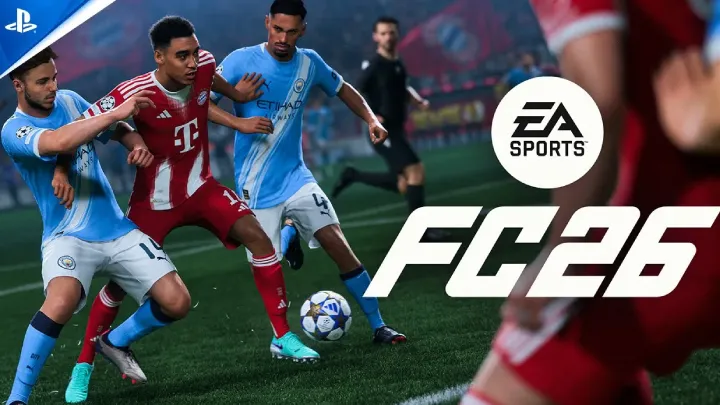
2. Launch Version: Persistent Referee and Offside Problems
At release, players hoped the offside logic would be refined. Unfortunately, the same issues carried over. Forum threads highlighted “referee and offside issues” as some of the most persistent bugs, even ranking them higher than connection glitches.
In Career Mode and Pro Clubs, where teamwork and patience often outweigh raw pace, these premature offside calls broke the flow of matches. Managers who designed complex buildup play were punished by a system that left no room for natural recovery movements.
The frustration wasn’t just about realism; it was about fairness. Players felt stripped of control in moments where, in real football, the game would have continued.
3. Tactical Fallout: Destroying Creative Attacking Options
The strict offside enforcement fundamentally altered how players approached attacking football in FC 26. Key strategies became unviable:
- Dummy runs: Players making forward runs to pull defenders out of shape were immediately flagged, nullifying a crucial attacking weapon.
- Late movements: Forwards trying to drop back into an onside position after a pass still triggered the whistle.
- Exploiting space: Using the gap behind defenders became risky, as even a temporary offside position often stopped play prematurely.
This punished creativity. Instead of experimenting with clever positioning, players were forced to rely on straightforward passes or long shots—tactics that made matches feel robotic rather than fluid.
4. Ultimate Team Impact: Strict Offside as a Competitive Burden
In Ultimate Team (FUT), where competition is fierce, every detail matters. The offside problem became even more painful in this environment. A single wrongly flagged run could cost a Division Rivals match or ruin progress in FUT Champions.
Players quickly adapted by avoiding intricate through-ball strategies altogether. Instead, they relied on simple pace exploitation or direct crosses—styles that diminished the skill gap and reduced FUT’s tactical depth.
Competitive Frustration
Top-ranked FUT players argued that this wasn’t just a gameplay inconvenience; it was a competitive imbalance. If tactical flexibility is punished, FUT becomes less about skill and more about avoiding the mechanics altogether.
5. Community Reaction: “Offside Without Touching the Ball”
The EA forums and Reddit became filled with similar complaints. The most common phrase: “Offside even without touching the ball.” Fans questioned whether the developers understood the rule or had oversimplified it for coding purposes.
For many, this wasn’t just a bug—it was a betrayal of football logic. Real-life referees allow play to continue unless the offside player actively interferes. FC 26, however, removed any chance for that interpretation.
The lack of nuance led players to label the mechanic as “anti-football,” a system that rewarded defensive rigidity over offensive creativity.
6. Possible Technical Causes
Why did this happen? Several technical explanations have been suggested:
- Position-only detection: The system may only check the player’s location at the moment of the pass, without monitoring later movement.
- Lack of recovery frames: The engine doesn’t allow attackers to step back onside after the ball is played, even if they clearly disengage.
- No interference check: Unlike real referees, the game doesn’t evaluate whether the offside player impacts the play.
This suggests the developers prioritized coding simplicity over realism, creating a rigid and unforgiving mechanic.
7. EA’s Silence and Patch Expectations
As of now, EA has not publicly addressed the offside issue in patch notes. Updates have focused on connectivity, visual bugs, and Ultimate Team balancing, but not refereeing logic.
Some players speculate that fixing offside logic may require deeper adjustments to the gameplay engine, making it unlikely to be patched quickly. Others argue that even a small tweak—such as adding a grace window—would drastically improve the situation.
Without clear communication, the community continues to speculate and vent frustration.
8. Long-Term Consequences for Gameplay
The offside problem is not just a minor annoyance—it affects the heart of FC 26. By discouraging creative attacks, it changes the meta across all modes.
- Career Mode: AI defenses become harder to break down since dummy runs don’t work.
- Pro Clubs: Coordinated team play feels stifled.
- Ultimate Team: Competitive depth is reduced, with fewer viable attacking strategies.
Over time, this risks alienating players who value realism and tactical variety. If FC 26 feels more rigid than its predecessors, its longevity as a competitive title could suffer.
9. Potential Fixes and Solutions
There are several reasonable solutions EA could explore:
- Grace period implementation: Allow attackers to pull back onside within 0.2–0.4 seconds after the pass.
- Active involvement rule: Only flag offsides if the attacker touches the ball or clearly impacts the play.
- Custom settings: Introduce a toggle for “strict” or “realistic” offside rules in settings, letting players choose their preference.
Lessons From the Past
Older football titles offered flexibility in fouls and defensive assistance. Bringing a similar option to offsides would restore balance and respect different playstyles.
10. Looking Ahead: Will EA Listen?
The future of FC 26’s offside system depends entirely on whether EA acknowledges the problem. With enough community pressure, the company could issue a gameplay patch to soften the rules.
If unaddressed, the game risks becoming infamous for ignoring one of football’s most fundamental laws. For players, it would mean a year of adapting to rigid mechanics rather than enjoying tactical freedom.
The decision lies with EA: either embrace realism and fluidity or continue enforcing an offside system that few players believe in.
Conclusion
EA Sports FC 26 has advanced football gaming in many areas, but the offside system remains a glaring flaw. By penalizing players for simply being in an offside position—regardless of intent or involvement—it undermines creativity, disrupts tactics, and damages competitive balance. The community has voiced its frustration clearly, but EA’s response remains uncertain.
If corrected, FC 26 could reclaim its promise of authenticity. If not, the game risks alienating its most dedicated players, turning offside from a football law into a gameplay prison.