

World of Tanks Blitz has become one of the most popular mobile tank battle games, offering quick-fire battles, strategic positioning, and a huge roster of vehicles across multiple nations. Yet beneath its sleek surface lies one of the most hotly debated and impactful issues in its history: matchmaking balance. Since its release, matchmaking has been a double-edged sword, designed to create fair and competitive matches but often leaving players frustrated with lopsided battles. This article dives deep into the evolution of matchmaking in World of Tanks Blitz, exploring its history, updates, consequences, and the community’s voice in shaping its future.
The Birth of Matchmaking in World of Tanks Blitz
In 2014, World of Tanks Blitz began its journey as a streamlined version of the PC classic, offering 7v7 battles instead of 15v15. At launch, matchmaking followed a relatively simple formula: tanks were matched within a limited tier range, ensuring that new players were not constantly overwhelmed by veterans. The goal was accessibility.
However, this early matchmaking lacked complexity. Players quickly noticed that the system sometimes favored speed over balance, leading to uncoordinated teams. As Blitz grew in popularity, this early version of matchmaking became a point of contention.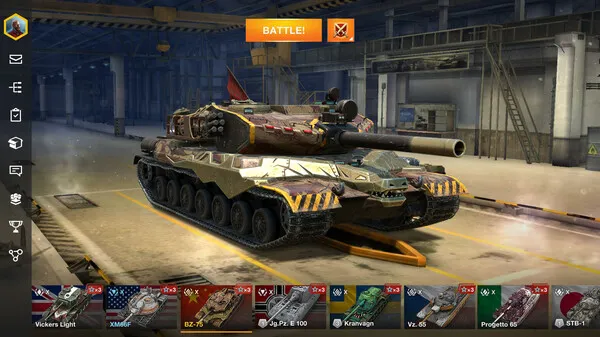
Growing Pains and Early Complaints
As the player base expanded, complaints about matchmaking multiplied. Players noted that certain tanks were consistently matched against vehicles with superior firepower or armor. For example, a lightly armored Tier V tank might face an upgraded Tier VI heavy tank, leaving little room for skill to compensate.
The community forums lit up with discussions, petitions, and suggestions. Some asked for tighter tier limits, while others wanted matchmaking to consider not only tank tiers but also player skill levels. These debates laid the foundation for years of adjustments.
The Introduction of Skill-Based Experiments
In 2016, developers experimented with skill-based matchmaking. The goal was to ensure that players of similar win rates and experience levels were placed in the same battles. On paper, this promised fairer matches.
But in practice, skill-based matchmaking created new problems. Queue times increased significantly as the system struggled to find equally skilled opponents. Some players reported facing the same opponents repeatedly, while others argued that randomness and unpredictability were being lost. Ultimately, the system was rolled back in favor of a hybrid model.
Premium Tanks and Pay-to-Win Concerns
By 2017, the monetization of Blitz had introduced premium tanks with unique features. These vehicles often had performance quirks that did not fit neatly into existing matchmaking rules. Critics argued that matchmaking unfairly protected premium tanks, giving paying players an advantage.
Community debates intensified. Was matchmaking biased toward those who spent money? Or was it simply ill-equipped to account for a growing and diverse vehicle roster? These questions continue to surface in 2025, making premium influence one of the most controversial aspects of Blitz matchmaking.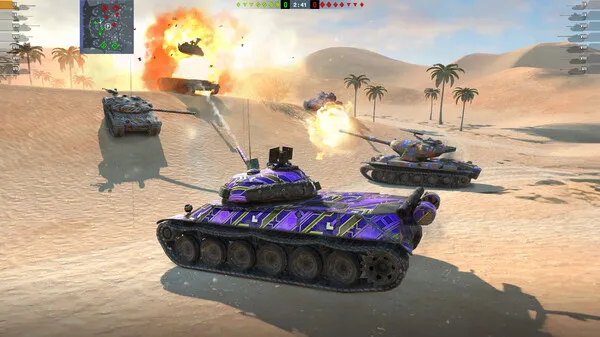
Clan Wars and Competitive Play
When clan wars and tournaments entered the scene, matchmaking balance took on even greater importance. Competitive players argued that poor matchmaking undermined the integrity of ranked battles. In casual play, a mismatch might simply mean a quick loss, but in ranked or tournament modes, it could determine leaderboard standings or even prize outcomes.
This pushed Wargaming, the developer, to create stricter matchmaking rules for competitive play. However, the divide between casual and competitive matchmaking created its own challenges, with players accusing the game of being inconsistent across modes.
Matchmaking in the Modern Meta
By 2020, World of Tanks Blitz had grown far beyond its origins. New nations, experimental vehicles, and ever-evolving game mechanics created a complex meta. Matchmaking now had to juggle not only tier and class balance but also special mechanics like autoloaders, derp guns, and speed-based scouts.
The result was a system that sometimes placed experimental tanks against conventional ones, leading to gameplay imbalances. For example, a wheeled scout might dominate maps where heavies had no counterplay. Matchmaking became a constant balancing act between innovation and fairness.
The Player Psychology of Losing Streaks
One of the less-discussed aspects of Blitz matchmaking is its impact on player psychology. Many players report experiencing “losing streaks,” where they feel matchmaking consistently places them on weaker teams. Whether or not this is statistically accurate, the perception has a strong psychological effect.
Players often believe the game “rigs” matches to push them into spending money or playing longer. Wargaming denies these accusations, but the persistence of this belief shows the deep frustration matchmaking can create. In online games, perception often matters as much as reality.
Community-Driven Solutions and Mods
Over the years, the Blitz community has proposed countless solutions to matchmaking issues. Some suggest expanding matchmaking factors to include damage dealt, average experience per battle, or tank mastery levels. Others recommend a strict skill ladder system that would permanently separate casual and competitive players.
Mods and third-party trackers have also become popular. These tools allow players to see the win rates and statistics of their teammates and opponents before a match begins. While this gives transparency, it can also create negativity, as players give up early if they see teammates with poor stats.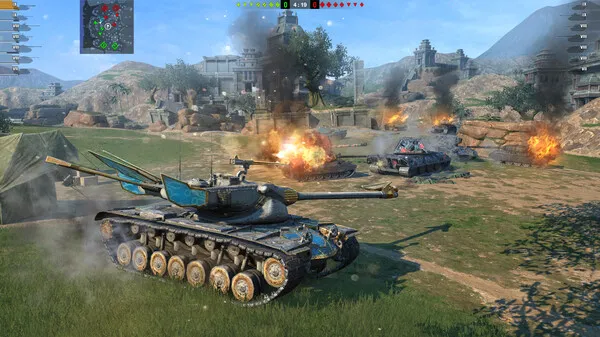
The State of Matchmaking in 2025
Today, in 2025, matchmaking in World of Tanks Blitz is more refined than it has ever been, but it is far from perfect. The system balances tier, tank type, and queue time, but players still complain about streaky outcomes and perceived unfairness.
What has changed is Wargaming’s willingness to engage with the community. Frequent developer diaries, Q&A sessions, and test servers allow players to see changes in progress and give feedback before updates go live. While matchmaking is unlikely to ever satisfy everyone, the dialogue has grown more transparent.
Looking Toward the Future
The future of matchmaking in Blitz will likely involve more adaptive systems. Machine learning, predictive algorithms, and AI balancing are all tools Wargaming could use to refine fairness. As the game continues to evolve, matchmaking will remain the core issue that determines whether battles feel engaging or frustrating.
Players want balance, competitiveness, and variety. If Blitz can achieve this, it will continue to thrive in an increasingly competitive mobile gaming landscape. If not, the frustrations around matchmaking could eventually drive players to other games.
Conclusion
Matchmaking in World of Tanks Blitz is both the backbone of the game and its greatest source of controversy. From the simple tier-based system of its early years to the hybrid approaches of today, matchmaking has defined the player experience. While progress has been made, the challenge of fairness remains as urgent as ever in 2025. The battle for balance is ongoing, and just like the tank duels themselves, it will take strategy, patience, and adaptation to win.