



A New Shade of Night
In the brutal world of post-apocalyptic survival, where every shadow hides a threat and every breath is a risk, the Dying Light franchise has always stood out for its electrifying blend of parkour and visceral combat. A hypothetical sequel, Dying Light: The Beast, would not just be a continuation of the zombie apocalypse; it would be an evolution of fear, pushing the boundaries of what a free-running, first-person horror game can be. The game’s premise is simple, yet terrifying: surviving not just the infected hordes, but a singular, apex predator that stalks the urban jungle—The Beast.
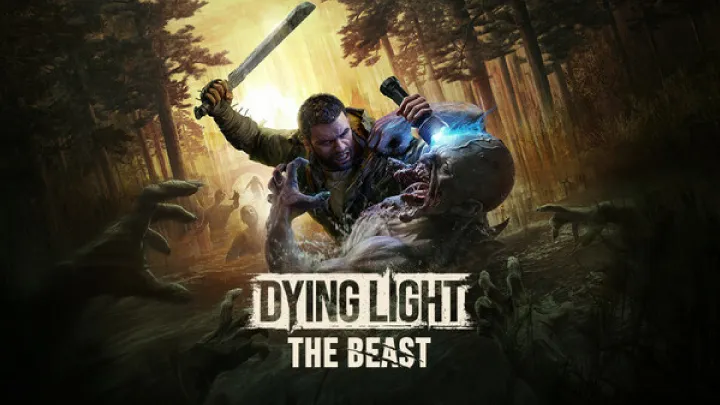
The core of this new experience would lie in three foundational pillars: the Evolved Parkour System, the Asymmetric Terror, and the Dynamic Day/Night Cycle.
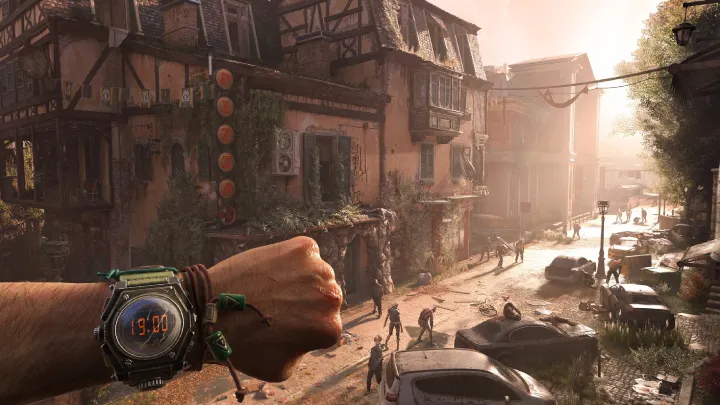
The Evolved Parkour System would be a masterclass in fluidity and verticality. Players would navigate a sprawling new urban landscape with unprecedented freedom. The system would introduce new mechanics, such as environmental takedowns and advanced grappling maneuvers, making combat an extension of movement. This focus on seamless motion ensures that escape is always an option, but never a guarantee, forcing players to constantly read the environment and execute flawless runs to survive. Every rooftop would be a strategic position, and every alleyway a potential deathtrap.
The Asymmetric Terror is the game's defining feature. Unlike the hordes of regular infected, The Beast would be a singular, incredibly powerful entity—a new, highly intelligent breed of infected whose presence dictates the game's entire flow. This creature would be an unstoppable force, a stalker whose strength is only matched by its cunning. It wouldn't be a random encounter; its pursuit would be a psychological nightmare, forcing players to switch from aggressor to prey in an instant. This intense, asymmetrical threat would elevate the fear factor far beyond the standard zombie formula.
The Rhythm of Survival: Updates and a Shifting World
The lifeblood of a Dying Light title is its commitment to its living world, and Dying Light: The Beast would be no exception. A live service model would ensure the city remains a dynamic, evolving character, keeping players engaged long after the main campaign.
New Zones and Environmental Hazards
The new zones would be a major part of the ongoing content. Imagine entire new sectors of the city opening up, each with its own unique architectural challenges and specific types of infected. An update could introduce a flooded dockyard, forcing players to master water traversal, or a heavily fortified military sector requiring stealth and precision. These environmental shifts would not only be visual but would fundamentally change gameplay, ensuring that no single strategy remains dominant for long.
Equally important are the seasonal events centered around The Beast itself. These events wouldn't just be holiday-themed; they would tie into The Beast's behavior, perhaps a seasonal mutation that grants it new abilities or a temporary nesting period that makes a previously safe area an impenetrable hunting ground. These events would introduce unique legendary loot and blueprint rewards, giving high-level players a constant motivation to face the game's ultimate challenge.
A Legacy of Resilience
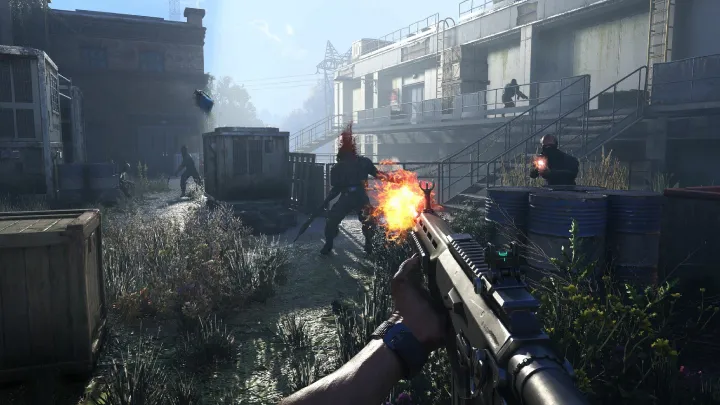
Dying Light: The Beast represents the next terrifying chapter in a franchise built on resilience. It is a game that is not just about a new threat; it is about a new level of immersion, a new level of realism, and a new level of fear. It is a game that would prove that even in a genre that is over a decade old, there is still room for innovation and creativity.
The future of the Dying Light franchise is bright. The developers have a proven track record of delivering a high-quality product, and the community is always ready for the next installment. As the series continues to evolve, one thing is clear: the instinct to survive is stronger than ever. The city is ready for the next challenge, and players are ready to take on The Beast.











![Simpsons [HORROR]](https://arbcdn.techfast.vn/0b51753c5bc9486bb6dfb8974ef220ab.webp)