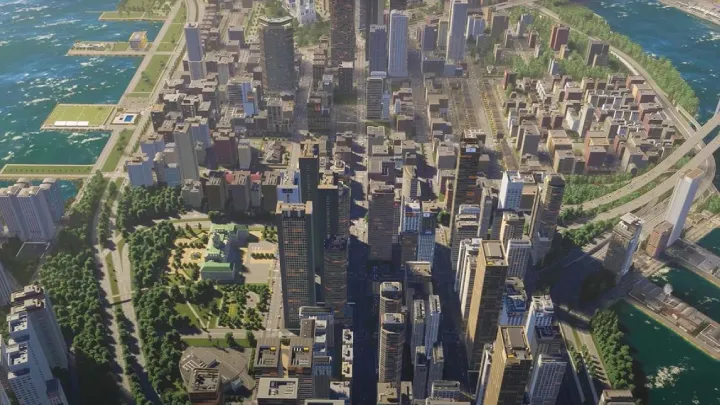







Cities: Skylines has redefined the city-building genre since its release in 2015, offering players the tools to design and manage complex urban environments. Among the myriad of challenges faced by players, traffic management stands out as one of the most critical and frustrating elements. While the game provides a rich array of options for building and managing cities, the intricacies of traffic flow often lead to congestion and inefficiencies that can derail even the most meticulously planned cities. This article will explore the complexities surrounding traffic management in Cities: Skylines, examining its mechanics, the impact of player decisions, and strategies to mitigate traffic issues.
The Importance of Traffic Management in Urban Planning
Understanding Traffic Flow
In Cities: Skylines, traffic flow is a dynamic system influenced by a myriad of factors, including road types, public transport availability, zoning, and city layout. Understanding these elements is crucial for effective urban planning.
The Role of Transportation Networks
Transportation networks are the arteries of any city, facilitating the movement of citizens, goods, and services. Efficient traffic management is essential not only for reducing congestion but also for promoting economic growth and improving the quality of life for residents.
- Economic Impact: High traffic congestion can lead to increased travel times, negatively affecting productivity and economic output.
- Environmental Concerns: Traffic jams contribute to increased emissions and pollution, raising concerns about sustainability and public health.
The Mechanics of Traffic Simulation
Road Types and Their Effects
Cities: Skylines features various road types, each with distinct characteristics that affect traffic flow. Understanding these differences is crucial for effective city planning.
- Highways: Designed for high-speed travel, highways facilitate long-distance travel but can create bottlenecks at entry and exit points.
- Local Roads: These roads are essential for connecting neighborhoods but can lead to congestion if not designed properly.
Traffic AI and Pathfinding
The game employs a sophisticated AI system that determines how vehicles navigate the city. This system considers factors such as distance, traffic conditions, and the type of road when making decisions.
- Pathfinding Algorithms: Vehicles use algorithms to determine the most efficient route, which can lead to unexpected traffic patterns.
- Dynamic Reactions: The AI reacts to changing traffic conditions, making real-time adjustments to routes, which can sometimes exacerbate congestion.
Common Traffic Issues Facing Players
Congestion Hotspots
One of the most common issues players encounter is the emergence of congestion hotspots. These areas often form at intersections, near public transport hubs, or along busy thoroughfares.
- Intersections: Poorly designed intersections can lead to gridlock, particularly if traffic signals are not optimized.
- Public Transport Nodes: High-traffic areas near bus stations or train stops can become overwhelmed if not balanced with adequate road capacity.
Traffic Jams and Their Consequences
Traffic jams can have cascading effects throughout the city, impacting emergency services, public transport, and overall citizen satisfaction.
- Emergency Response: Congestion can delay emergency vehicles, compromising public safety.
- Public Transport Efficacy: Traffic congestion can deter citizens from using public transport, leading to increased reliance on personal vehicles.
Strategies for Effective Traffic Management
City Layout and Planning
The layout of a city plays a crucial role in traffic management. Thoughtful planning can mitigate many common traffic issues.
- Grid vs. Organic Layouts: Grid layouts often promote better traffic flow, while organic layouts can create unique challenges.
- Zoning Considerations: Mixed-use zoning can reduce the need for long commutes, minimizing traffic congestion.
Infrastructure Improvements
Investing in infrastructure is key to managing traffic effectively. Players can employ various strategies to upgrade their cities.
- Widening Roads: Expanding road capacity can alleviate congestion but may require rethinking existing layouts.
- Creating Bypasses: Implementing bypass roads can divert traffic away from congested areas, improving overall flow.
Public Transport Solutions
The Role of Public Transport
Public transport serves as a vital component of traffic management in Cities: Skylines. Effective public transport systems can significantly reduce reliance on personal vehicles.
- Buses and Trains: Implementing comprehensive bus and train networks can encourage citizens to use public transport, reducing traffic volume.
- Metro Systems: Subways can efficiently transport large numbers of passengers, alleviating surface-level congestion.
Integrating Public Transport with Road Networks
To maximize the effectiveness of public transport, it must be seamlessly integrated with existing road networks.
- Transfer Stations: Creating hubs where different modes of transport intersect can streamline travel and reduce congestion.
- Dedicated Lanes: Designing dedicated bus lanes can improve the efficiency of public transport, encouraging more citizens to opt for these services.
The Impact of Traffic Management on City Growth
Balancing Growth and Traffic
As cities expand, managing traffic becomes increasingly complex. Players must find a balance between growth and maintaining efficient traffic flow.
- Incentivizing Development: Well-managed traffic can lead to increased demand for residential and commercial zones, promoting growth.
- Mitigating Overdevelopment: Rapid expansion without adequate infrastructure can lead to severe traffic issues, necessitating careful planning.
Adapting to Changes
Cities are dynamic entities that require adaptive management strategies. Players must continuously assess and respond to changing traffic patterns as populations grow and evolve.
- Regular Assessments: Conducting regular traffic assessments can help identify emerging issues before they escalate into major problems.
- Feedback Loops: Using data analytics to inform decisions about road improvements and public transport investments can lead to more effective traffic management.
Player Experiences: Community Feedback
Common Frustrations
The community of Cities: Skylines players often shares their frustrations regarding traffic management. Players frequently discuss issues related to congestion, AI behavior, and the sometimes counterintuitive nature of traffic flow.
Solutions from the Community
The modding community has also played a significant role in addressing traffic issues. Many mods offer enhanced traffic management tools and features.
- Traffic Management Mods: Mods such as Traffic Manager: President Edition provide players with advanced options for managing traffic flow and road behavior.
- Custom Content: Players create custom intersections and road layouts to optimize traffic flow based on their experiences.
The Future of Traffic Management in Cities: Skylines
Upcoming Updates and Expansions
As the game continues to evolve, players are hopeful for future updates that enhance traffic management features. Developers are likely to consider community feedback in their ongoing efforts to improve gameplay.
Future expansions could introduce new mechanics and features that further enrich the traffic management experience.
- Intelligent Traffic Systems: Implementing AI-driven traffic systems that adapt to real-time conditions could enhance gameplay realism.
- Advanced Public Transport Options: Introducing new public transport options, such as ride-sharing services or bike lanes, could provide players with additional strategies for managing traffic.
Traffic management in Cities: Skylines presents players with a complex and engaging challenge that is central to the city-building experience. While traffic issues can be frustrating, they also offer opportunities for creativity and strategic thinking. By understanding the mechanics of traffic flow, investing in infrastructure, and utilizing public transport solutions, players can create thriving urban environments. As Cities: Skylines continues to evolve, the ongoing dialogue within the community about traffic management will undoubtedly influence the game's future, ensuring that players remain engaged in the intricate art of urban planning.