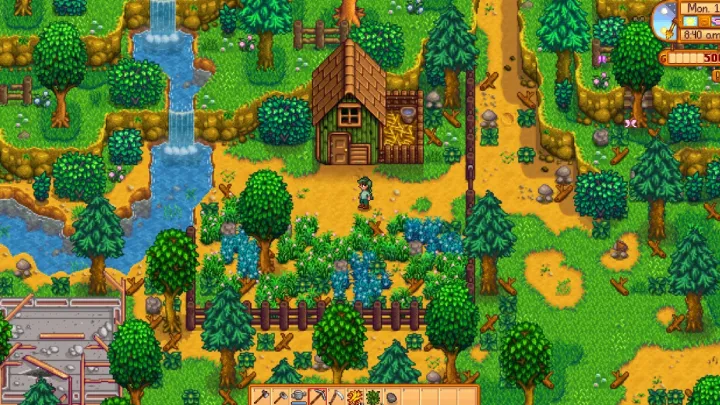








Stardew Valley is a charming farming simulation game that has captured the hearts of players worldwide. Developed by ConcernedApe, this indie title invites players to leave the hustle and bustle of city life behind to embrace the peaceful existence of farming in Pelican Town. With its delightful pixel art, engaging gameplay mechanics, and rich storytelling, Stardew Valley allows players to cultivate crops, raise animals, mine for resources, and build relationships with the townsfolk. This guide aims to provide essential tips and strategies to help you thrive in Stardew Valley, covering everything from the basics of farming to advanced techniques for maximizing your profits.
Getting Started: Your First Days
Setting Up Your Farm
When you first arrive in Pelican Town, you’ll have a small plot of land that needs to be cleared and cultivated. The first few days are crucial for establishing your farm and setting the tone for your experience.
Initial Tasks
- Clear Your Land: Use your tools to remove debris, rocks, and weeds. This will provide space for your crops and buildings.
- Plan Your Layout: Think about how you want to arrange your farm. Consider leaving space for future expansions like barns or coops.
- Plant Basic Crops: Purchase seeds from Pierre’s General Store and plant them as soon as possible. Starting with parsnips is a good choice, as they grow quickly.
Understanding the Seasons
Stardew Valley operates on a seasonal cycle, with each season lasting 28 in-game days. Different crops grow in different seasons, so it's essential to plan your planting accordingly.
Seasonal Crops
- Spring: Parsnips, green beans, and cauliflower.
- Summer: Blueberries, melons, and tomatoes.
- Fall: Pumpkins, cranberries, and eggplants.
Daily Routine
Establishing a daily routine can help you maximize productivity. Each day offers a limited amount of time to complete tasks, so plan accordingly.
Sample Daily Routine
- Water Crops: Start your day by watering your crops; this is essential for growth.
- Gather Resources: Spend some time chopping wood, mining, or foraging for wild plants.
- Visit Town: Check in with the townsfolk, purchase seeds, and participate in local events.
Farming Techniques
Crop Management
Effective crop management is key to running a successful farm. Understanding how to maximize your harvest will significantly impact your profits.
Crop Quality
Crops can be of varying quality: normal, silver, gold, and iridium. Higher quality crops sell for more money, so focus on improving crop quality.
- Fertilizer: Use fertilizer to enhance soil quality and increase the chances of producing higher quality crops.
- Sprinklers: Invest in sprinklers to automate watering, freeing up time for other activities.
Advanced Crop Strategies
As you progress in the game, you'll unlock more advanced farming techniques. These strategies can help you optimize your crop yield.
Crop Rotation
- Rotate Your Crops: Change the types of crops you plant each season to prevent soil depletion.
- Use Greenhouses: Once unlocked, the greenhouse allows you to grow crops year-round, providing a steady income.
Animal Husbandry
Raising animals can be a lucrative venture in Stardew Valley. Animals produce valuable products that can be sold or used in cooking.
Types of Animals
- Chickens: Provide eggs, which can be sold or used in recipes.
- Cows: Produce milk, which can be turned into cheese for higher profits.
- Sheep: Provide wool, useful for crafting and selling.
Caring for Animals
- Feeding: Ensure your animals are fed daily; they won’t produce products if they are hungry.
- Petting: Interact with your animals daily to increase their happiness, which leads to higher quality products.
Mining and Foraging
Exploring the Mines
The mines in Stardew Valley are a rich source of resources, including ores, gems, and combat opportunities. Mining can be a great way to gather materials for crafting and upgrading tools.
Mining Tips
- Bring Food: Always carry food to restore health and energy while mining.
- Upgrade Your Pickaxe: Upgrading your pickaxe will allow you to mine faster and access higher-tier ores.
Foraging for Resources
Foraging is another way to gather resources without spending money. Various items can be found throughout the map, especially during different seasons.
Seasonal Foraging
- Spring: Wild onions and daffodils.
- Summer: Spice berries and blueberries.
- Fall: Blackberries and mushrooms.
Crafting and Upgrading Tools
Crafting plays a significant role in Stardew Valley, allowing players to create useful items and upgrade their tools.
Key Crafting Items
- Crafting Bench: Used to create various items, including machines and furniture.
- Workbench: Allows for tool upgrades and advanced crafting.
Building Relationships
Interacting with Villagers
Building relationships with the townsfolk is an essential aspect of Stardew Valley. Stronger relationships can lead to valuable rewards and events.
How to Improve Relationships
- Gifts: Give gifts that villagers like or love to increase friendship points.
- Participate in Events: Engage in seasonal festivals and events to bond with the community.
- Complete Quests: Help villagers with requests to earn friendship points.
Marriage and Family
Once you reach a high enough relationship level with certain characters, you can pursue marriage.
Marriage Benefits
- Spouse Help: Your spouse will help around the farm, providing additional resources.
- Children: After marriage, you can have children, adding another layer to your farming life.
Crafting and Cooking
Crafting Essentials
Crafting is crucial for survival and efficiency in Stardew Valley. Understanding what to craft and when can save time and resources.
Key Crafting Recipes
- Scarecrow: Protects crops from crows; essential for farming.
- Preserves Jar: Turns fruits and vegetables into jams and pickles for higher profits.
- Bee House: Produces honey, which can be sold or used for cooking.
Cooking for Benefits
Cooking is another valuable aspect of the game, providing buffs that can help you in various activities.
Cooking Tips
- Learn Recipes: Gather recipes from cooking shows, villagers, and the game’s progression.
- Use Ingredients Wisely: Cook meals that provide the best buffs for your current activities (e.g., mining or fishing).
Fishing Techniques
Fishing Basics
Fishing is a relaxing and rewarding activity in Stardew Valley. It provides food and income, and different fish can be caught in various locations and seasons.
Fishing Locations
- River: Common fish like salmon and catfish can be found here.
- Ocean: Offers a wider variety of fish, including halibut and tuna.
- Lake: Home to unique fish like the sturgeon and bullhead.
Fishing Tips
- Use Bait: Bait increases the chances of catching fish.
- Upgrade Your Rod: Upgrading your fishing rod allows you to use bait and tackle for better results.
- Patience is Key: Fishing can be difficult at first; practice your timing for reeling in fish.
Engaging in Community Events
Seasonal Festivals
Participating in seasonal festivals is a fun way to engage with the community and earn unique rewards. Each season features different events that bring villagers together.
Notable Festivals
- Egg Festival: A spring event that includes an egg hunt and various games.
- Luau: A summer festival where players contribute a dish to a communal pot.
- Harvest Festival: A fall celebration that allows players to showcase their crops.
Benefits of Participation
- Friendship Points: Attending festivals increases your relationship with villagers.
- Unique Items: Festivals often feature exclusive items or recipes that can’t be obtained elsewhere.
Advanced Strategies for Success
Time Management
Managing your time effectively is crucial for success in Stardew Valley. With only a limited number of hours in each day, prioritizing tasks is essential.
Time Management Tips
- Plan Your Days: Set clear goals for each day, whether it's farming, mining, or socializing.
- Use the Calendar: Keep track of seasonal events and birthdays to maximize your productivity.
Maximizing Profits
Understanding how to maximize your profits will help you expand your farm and achieve your goals faster.
Profit Strategies
- High-Value Crops: Focus on planting high-value crops during their respective seasons (e.g., strawberries in spring).
- Artisan Goods: Invest in crafting machines to produce artisan goods, which sell for higher prices than raw materials.
Expanding Your Farm
As you progress, consider expanding your farm by building new structures and unlocking new features.
Building Strategies
- Prioritize Barns and Coops: These buildings allow for animal husbandry, increasing your income potential.
- Upgrade Your House: Expanding your house provides additional space for crafting and storage.
Conclusion
Stardew Valley is a delightful blend of farming, exploration, and community-building that offers players a unique and immersive experience. By following the tips and guides outlined in this article, you can enhance your gameplay, optimize your farming techniques, and build meaningful relationships with the townsfolk. Whether you’re a newcomer or a seasoned player, embracing the various aspects of Stardew Valley will lead to a fulfilling and enjoyable journey in Pelican Town.