



Introduction
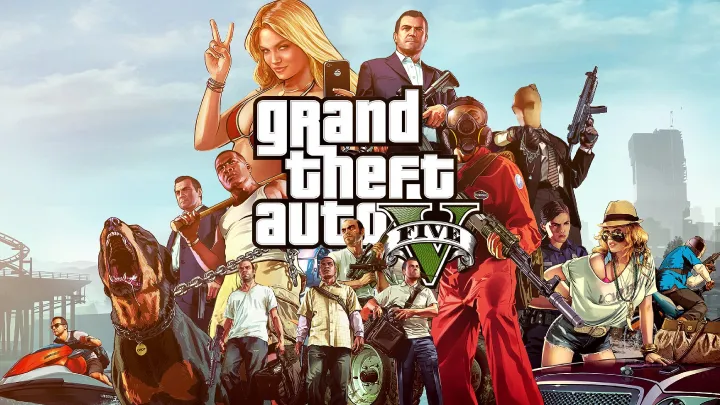
Open-world games have transformed the way players experience digital adventures. Unlike traditional linear games, they offer expansive environments, endless exploration, and a freedom that can feel overwhelming for both new and veteran gamers. Titles like The Witcher 3, Grand Theft Auto V, Elden Ring, and Red Dead Redemption 2 provide massive universes where players can shape their own stories. But this freedom often raises an important question: How do you get the most out of these vast worlds without feeling lost or missing out on hidden treasures?
This guide will give you actionable strategies, practical tips, and expert-level insights to help you thrive in any open-world game. Whether your goal is completing every side quest, mastering combat mechanics, or simply immersing yourself in the story, these tips will guide you to success.
Main Content
1. Start with the Basics: Learn the Map
The map is your best friend in an open-world game. Many players rush into quests without paying attention to landmarks, fast-travel points, or terrain differences.
- Pro Tip: Spend your first hour just exploring. Unlock towers, synchronize viewpoints, or ride across major cities. This creates a mental blueprint that will make every future quest faster and smoother.
- Example: In Assassin’s Creed: Odyssey, climbing synchronization points reveals huge chunks of the map, unlocking fast-travel that saves hours later.
2. Balance Main Quests and Side Quests
It’s tempting to finish the main story quickly, but skipping side quests often means missing out on unique rewards, lore, and gameplay variety.
- Main Story: Keeps the narrative moving forward.
- Side Quests: Offer character development, rare items, and immersion.
- Strategy: Maintain a 70/30 balance. Do two main quests, then dive into one or two side adventures.
3. Manage Your Resources Wisely
Currencies, crafting materials, and consumables can make or break your progress.
- Don’t overspend early. Save money for major upgrades instead of wasting it on small items.
- Crafting matters. Many games reward players who use crafting systems rather than buying everything.
- Pro Tip: Sell duplicate weapons, but never sell rare crafting materials.
4. Master Combat Systems
Combat mechanics vary: some games rely on skill combos (Devil May Cry style), while others emphasize patience and timing (Elden Ring or Sekiro).
- Experiment: Test every weapon type early. Find your rhythm before investing heavily in one style.
- Upgrade smart: Don’t spread upgrade points across all skills. Focus on building a strong core skill set first.
- Use the environment: Many open-world games let you exploit terrain, stealth, or AI weaknesses.
5. Exploration Without Overwhelm
Open-world games are notorious for “map clutter” — endless icons that paralyze players with choice.
- Divide and conquer: Focus on one region at a time instead of running across the whole map.
- Ignore perfection early: Don’t try to collect everything at once. Finish the story, then sweep for collectibles later.
- Mark your own path: Drop custom markers on interesting locations you’ll revisit later.
6. Use Fast Travel Efficiently
Fast travel is a gift, but overusing it robs you of immersion.
- Hybrid approach: Walk or ride when exploring new regions, fast-travel only when revisiting old zones.
- Pro Tip: Use exploration rides to hunt, gather resources, or enjoy environmental storytelling you’d miss otherwise.
7. Optimize Character Builds
RPG-style open-worlds like Skyrim or Cyberpunk 2077 allow flexible builds.
- Specialize first: Build around one playstyle—archery, stealth, or magic—before branching out.
- Adapt later: As difficulty spikes, expand skills to counter specific challenges.
- Experiment: Some games let you respec. Use this feature if you feel stuck.
8. Pay Attention to Story and Lore
The lore enriches the experience. Read notes, listen to NPC dialogue, and explore hidden areas.
- Why it matters: Many games hide world-building details in letters, journals, or audio logs.
- Pro Tip: NPC interactions can unlock hidden quests unavailable on the main path.
9. Join the Community
Forums, YouTube guides, and Reddit communities are treasure troves of strategies.
- Watch speedrunners: Even if you don’t plan to speedrun, their techniques often reveal shortcuts or mechanics you never noticed.
- Check modding communities: Mods can improve graphics, fix bugs, or add new adventures to keep the game alive longer.
10. Set Personal Goals
An open-world game is what you make of it. Instead of chasing 100% completion blindly, set goals:
- Max out one weapon type.
- Explore every hidden cave in one region.
- Beat the story in under 50 hours.
- This makes the journey more meaningful.
Conclusion
Mastering open-world games isn’t about rushing through the story or collecting every item. It’s about finding your rhythm, setting personal goals, and striking a balance between exploration and progression. By learning the map, managing resources wisely, perfecting your combat style, and engaging with the community, you’ll unlock the true magic of these vast digital worlds.
Remember: each open-world game is designed for you to live your own story. Whether you’re a casual explorer or a hardcore completionist, the strategies in this guide will help you transform overwhelming worlds into playgrounds of discovery, challenge, and fun.