


Rainbow Six® Siege X is the latest evolution of Ubisoft’s tactical shooter, bringing refined mechanics, new operators, and subtick architecture that changes how players experience precision and timing. Unlike traditional FPS games, Siege X demands strategic thinking, communication, and mastery of destructible environments. This guide offers a structured path to improvement, covering everything from basic mechanics to advanced tactics. Whether you're new to Siege or returning for its latest iteration, these tips will help you climb ranks and dominate the battlefield.
- Understand Game Modes and Objectives Siege X revolves around Attack vs. Defense across various objectives—bomb sites, hostage rescue, and area control. Ranked mode is the most competitive, requiring coordination and map knowledge. Unranked and Quick Match are ideal for learning mechanics and experimenting with operators.
Each mode has unique pacing. Bomb mode emphasizes site control and post-plant strategy, while hostage rescue demands precision and restraint. Knowing the win conditions and round flow helps you make smarter decisions.
Recommended Modes for Progression: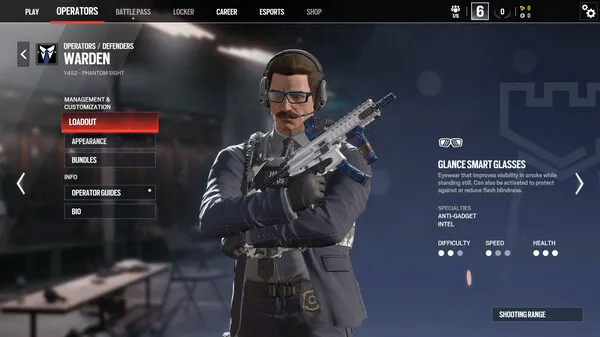
- Quick Match: Learn maps and gadgets
- Unranked: Practice team synergy
- Ranked: Test competitive readiness
- Master Map Knowledge and Callouts Maps in Siege X are multi-layered and destructible, making spatial awareness essential. Spend time in custom games exploring layouts, vertical play, and rotation paths. Learn callouts for every room—knowing “Red Stairs” from “Archives” can save your team seconds.
Controlling key areas like “Top Floor” or “Server Room” can dictate the round. Use community guides and YouTube breakdowns to learn advanced angles, wallbang spots, and soft breach locations.
Top Maps to Focus On:
- Clubhouse – Balanced and tactical
- Oregon – Vertical play and tight corridors
- Border – Fast-paced with open sightlines
- Improve Aim and Recoil Control Aim is critical in Siege X, where headshots are instant kills. Adjust your sensitivity for control and practice flicks and tracking in Terrorist Hunt or Aim Lab. Use lean peeking to minimize exposure while maintaining accuracy.
Recoil patterns vary by weapon. Learn the spray control for popular guns like R4-C, F2, and MP5. Burst firing and crouch spraying can improve accuracy in close fights. Combine aim training with in-game scenarios for best results.
Daily Aim Routine:
- 15 mins Terrorist Hunt (headshots only)
- 10 mins recoil drills in custom matches
- 15 mins Aim Lab or Kovaak’s
- Learn Operator Roles and Synergy Operators define your tactical options. Each has unique gadgets and roles—entry fragger, support, intel gatherer, or anchor. Learn how to use gadgets like Heartbeat Sensors, Breach Charges, and Drones effectively.
Synergy matters. Pairing Thermite with Thatcher or Iana with Dokkaebi can open up sites faster. Avoid picking five fraggers—balance your team with utility and defense. Understand your role and adapt to your team’s needs.
Operator Role Breakdown:
- Entry: Ash, Iana, Finka
- Support: Thermite, Smoke, Mute
- Intel: Valkyrie, Pulse, Solis
- Use Utility with Purpose Utility wins rounds. Don’t throw flashes randomly—use them to clear corners or blind anchors. Learn smoke and frag grenade bounce angles to maximize impact. Use breach charges on soft walls to create new sightlines.
Drones are vital. Use them to scout ahead, mark traps, and track roamers. Don’t waste them early—save one for post-plant intel. Utility should be used with intent, not impulse. Practice gadget timing and placement.
Utility Checklist:
- Flash before entry
- Drone before pushing
- Use breach charges on soft walls
- Master Movement and Positioning Movement affects sound, visibility, and accuracy. Learn to crouch walk, lean peek, and vault silently. Avoid sprinting unless rotating—sound gives away your position. Use destructible surfaces to create sightlines and flanking routes.
Positioning wins fights. Hold angles with cover, avoid standing in doorways, and use vertical play to surprise enemies. Smart movement reduces exposure and increases survivability in gunfights.
Essential Movement Skills:
- Lean peek with minimal exposure
- Vault silently to surprise enemies
- Use crouch walking to reduce noise
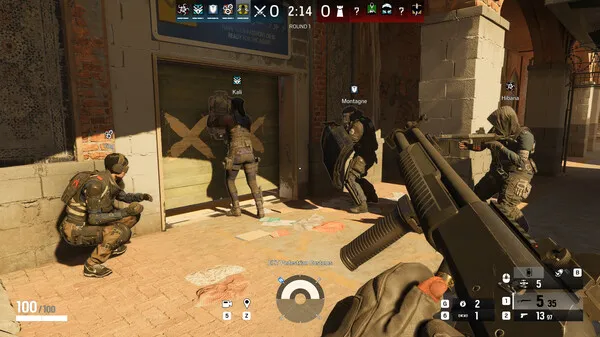
- Communicate Effectively with Your Team Siege X is a team game. Use clear, concise callouts like “One in Archives” or “Planting in B.” Avoid vague terms like “He’s over there.” Good comms lead to better trades and rotations.
Use pings and voice chat to coordinate pushes and retakes. Share info about enemy gadgets, traps, and positions. Calm communication under pressure separates good teams from great ones.
Callout Examples:
- “Two Top Floor, one holding angle”
- “Flanking from Main Stairs”
- “Bomb down in Server Room”
- Optimize Your Settings and Gear Settings impact performance. Use low sensitivity for control, disable mouse acceleration, and adjust FOV for visibility. Customize your HUD and crosshair for clarity. Match your resolution to your monitor’s native settings.
Upgrade gear if possible. A 144Hz monitor, mechanical keyboard, and precise mouse improve reaction time and comfort. Use headphones for directional sound—audio cues are crucial in Siege X.
Recommended Settings:
- DPI: 800, Sensitivity: 12–15
- FOV: 90–100
- Resolution: Native or 4:3 stretched
- Analyze Your Gameplay and Learn from Mistakes Reviewing matches helps you grow. Use Siege’s replay system to watch your positioning, aim, and decision-making. Identify patterns—do you die early, miss drones, or overpeek?
Keep a journal of mistakes and improvements. Compare your gameplay to pro players and ask teammates for feedback. Self-awareness accelerates progress and helps you refine your playstyle.
Demo Review Checklist:
- Did I drone before pushing?
- Was my crosshair placement optimal?
- Did I communicate effectively?
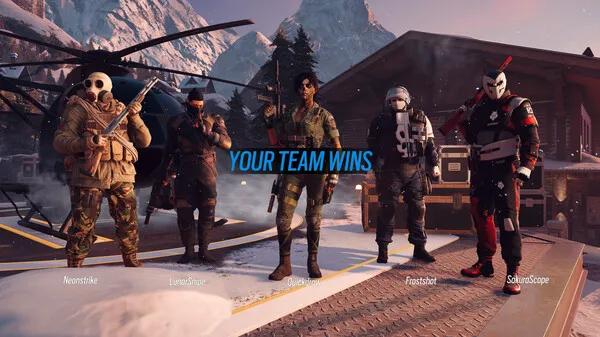
- Build Team Chemistry and Stay Motivated Playing with a consistent squad improves synergy. Learn each other’s habits, roles, and strengths. Practice site takes, roam clears, and post-plant setups together. Use Discord or in-game party systems to stay connected.
Stay motivated by setting goals—rank milestones, operator mastery, or tournament prep. Avoid burnout by mixing casual modes, taking breaks, and celebrating progress. A healthy mindset is key to long-term success.
Mindset Tips:
- Set weekly improvement goals
- Don’t tilt—learn from losses
- Balance practice with fun
Conclusion Tom Clancy’s Rainbow Six® Siege X is a tactical masterpiece that rewards preparation, communication, and adaptability. By mastering maps, operators, movement, and mindset, you’ll evolve from a casual player to a competitive force. This guide offers a structured path to improvement—whether you’re climbing ranks or preparing for esports, the journey starts with smart habits and consistent growth