





Learning English has become one of the most important skills for children in today’s globalized world. Parents, teachers, and schools are constantly looking for effective ways to help kids improve their language abilities in fun and interactive ways. While traditional books and lessons remain useful, English learning apps for kids have transformed the way young learners engage with the language.
These apps combine games, songs, interactive stories, and AI-powered lessons to make learning enjoyable while building strong foundations in vocabulary, grammar, speaking, listening, and reading. In this article, we’ll explore the top apps for kids learning English in 2025, highlighting their features, benefits, and why parents should consider them.
1. Duolingo Kids
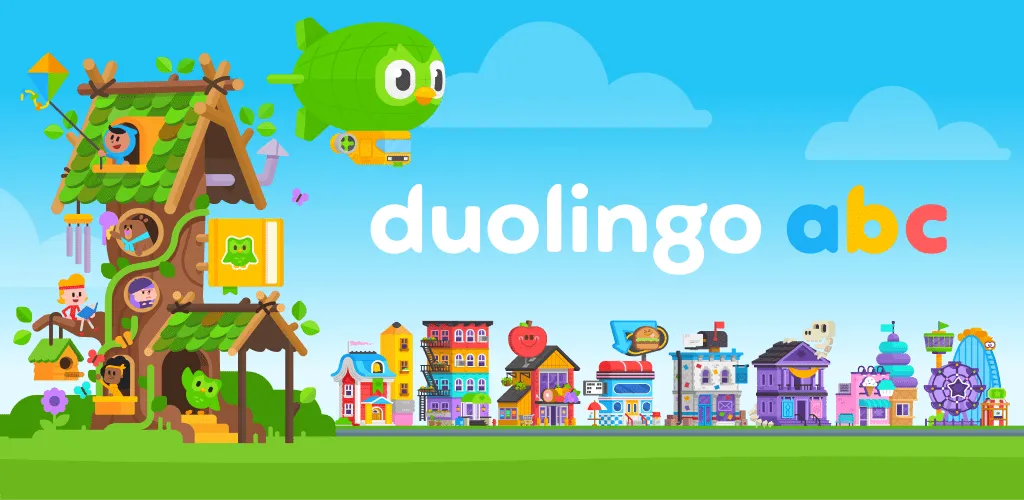
Duolingo Kids is the child-friendly version of the world-famous Duolingo app. With a colorful design, playful animations, and bite-sized lessons, it helps kids learn English in a stress-free environment.
Key Features:
- Interactive games and activities for vocabulary and grammar.
- Daily rewards and achievements to keep kids motivated.
- Short lessons that fit into any routine.
- Designed for ages 3 to 8.
Why It Stands Out:
It keeps kids engaged with gamification while gradually introducing them to English fundamentals. Parents love its safe and ad-free environment.
2. Lingokids – Playlearning™ App
Lingokids is one of the most popular English learning apps for children, trusted by millions of families worldwide. It combines play-based learning with educational content designed by experts.
Key Features:
- Over 700 games, songs, and activities.
- Focus on vocabulary, listening, and speaking.
- Progress reports for parents.
- Activities featuring fun characters like Lisa the cat.
Why It Stands Out:
Lingokids emphasizes learning through play, making it a perfect balance of fun and education for children aged 2–8.
3. Monkey Junior
Monkey Junior is a great app for early learners, especially popular in Asia. It offers structured courses that grow with the child’s age and ability.
Key Features:
- Step-by-step lessons for reading and vocabulary.
- Large library of images and interactive activities.
- Multiple difficulty levels to match the child’s growth.
- Offline learning mode.
Why It Stands Out:
It’s designed for progressive learning, making it suitable for both beginners and kids who want to advance gradually.
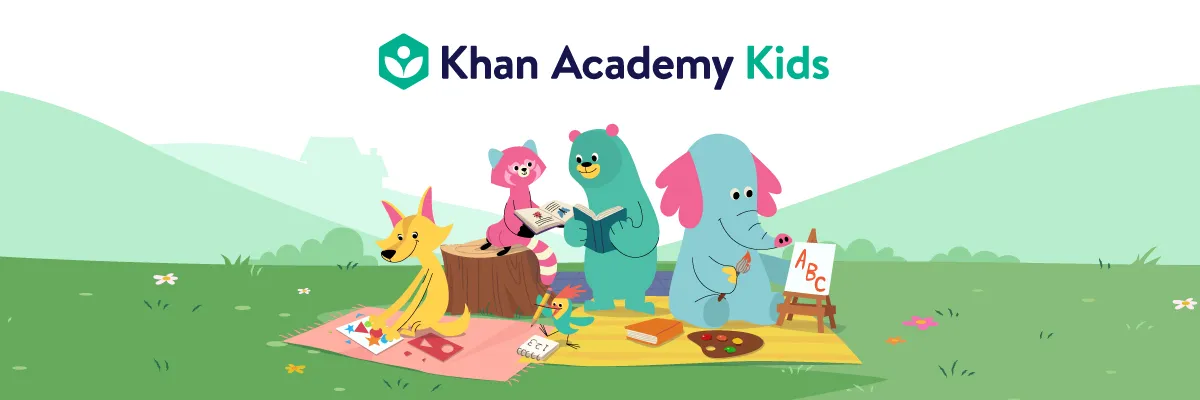
4. Khan Academy Kids
The non-profit Khan Academy Kids app goes beyond just English—it covers reading, math, and problem-solving—but its English lessons are highly effective.
Key Features:
- Free app with no ads.
- Storybooks, phonics lessons, and reading practice.
- Learning companions (animated characters) guide kids through activities.
- Activities designed by education experts.
Why It Stands Out:
It’s completely free, high-quality, and developed by trusted educators. Perfect for parents who want a safe, ad-free environment.
5. Endless Alphabet
Endless Alphabet is a creative app that teaches children English vocabulary through animated puzzles and monsters.
Key Features:
- Interactive word games.
- Animated characters bring words to life.
- Teaches both spelling and meaning.
- Great for preschoolers and early learners.
Why It Stands Out:
Kids don’t just memorize words—they actually understand their meaning with fun storytelling.
6. Fun English by Studycat
Fun English is designed for children aged 3–10 and uses interactive games to build strong English skills.
Key Features:
- Lessons covering colors, numbers, animals, food, and more.
- Speaking and listening practice through voice recognition.
- Progress tracking for parents.
- Play-based learning with fun characters.
Why It Stands Out:
It blends real-life topics with interactive lessons, helping kids learn English they can use daily.
7. ABCmouse
ABCmouse is a full educational platform for kids that also offers excellent English learning content.
Key Features:
- 10,000+ activities across reading, phonics, and storytelling.
- Step-by-step learning path.
- Songs, puzzles, and coloring activities.
- Progress tracking and certificates.
Why It Stands Out:
It offers a complete educational ecosystem, making it ideal for parents who want an all-in-one app.
8. Reading Eggs
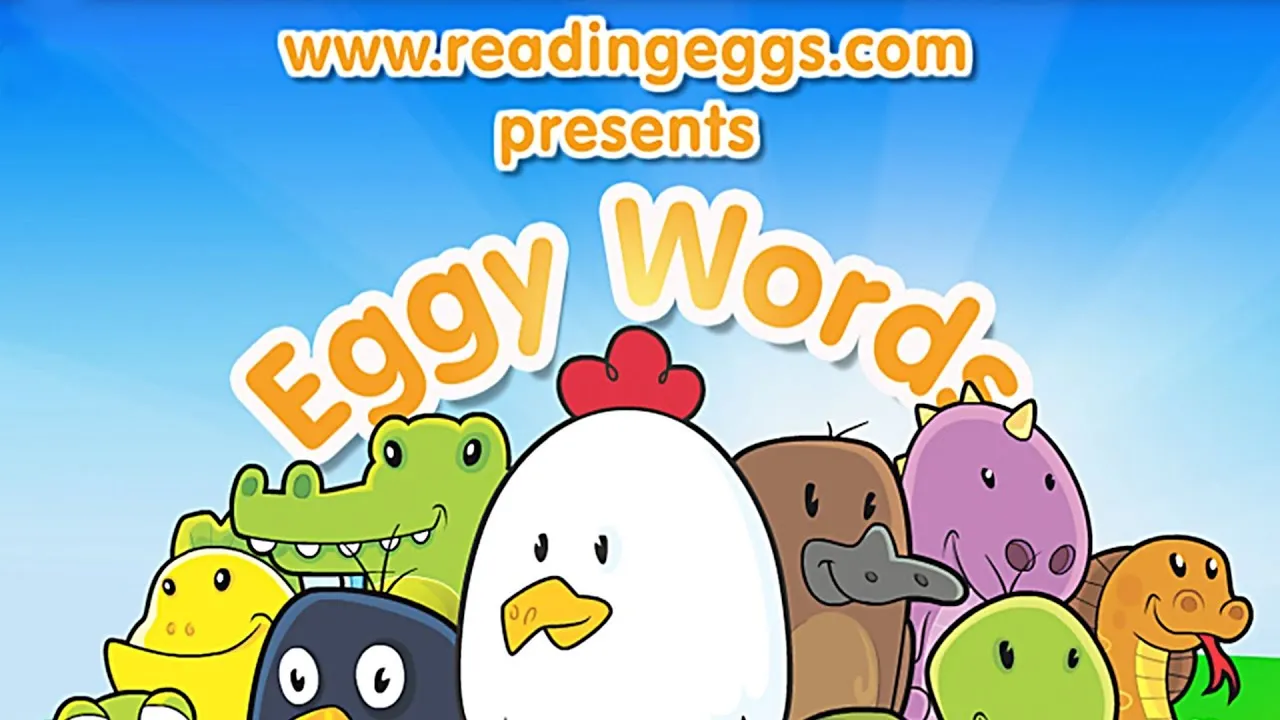
Focused on building strong reading skills, Reading Eggs is widely used in schools and homes worldwide.
Key Features:
- Phonics lessons to build reading foundations.
- Interactive books and quizzes.
- Reading games with rewards.
- Tailored learning paths for each child.
Why It Stands Out:
It specifically strengthens reading comprehension and phonics, essential for mastering English.
9. Stories by Gus on the Go
Gus on the Go offers English through storytelling, making it perfect for kids who enjoy learning with narratives.
Key Features:
- Fun interactive stories for young learners.
- Vocabulary-based storytelling.
- Kid-friendly design with cute characters.
- Focus on real-life words and situations.
Why It Stands Out:
Children learn better when stories capture their imagination, and this app does exactly that.
10. Hello English Kids
From the creators of the popular Hello English app, Hello English Kids adapts lessons for younger learners.
Key Features:
- Games for grammar, vocabulary, and speaking.
- Engaging voice-based exercises.
- Fun challenges to keep kids motivated.
- Age-appropriate lessons.
Why It Stands Out:
It helps children practice speaking aloud using voice recognition technology, making it great for pronunciation.
Benefits of English Learning Apps for Kids
- Interactive & Fun: Kids stay engaged with animations and games.
- Flexible Learning: Study anytime, anywhere.
- Personalized Progress: Apps adapt to a child’s pace.
- Parental Involvement: Progress reports keep parents updated.
- Cost-Effective: Cheaper than traditional classes or tutors.
How Parents Can Support Kids Using These Apps
Even with the best apps, parental support is key. Here are some tips:
- Set Daily Goals: Encourage short, consistent sessions.
- Learn Together: Join kids in activities to boost motivation.
- Balance Screen Time: Mix app learning with books, songs, and play.
- Reward Effort: Celebrate small milestones to keep kids motivated.
The Future of English Learning for Kids
By 2030, expect English learning apps to integrate even more AI, AR, and VR technologies. Future apps may include:
- AI tutors that personalize every lesson.
- Voice AI for real-time pronunciation feedback.
- Virtual reality classrooms where kids learn with peers globally.
- Gamified global challenges that make learning more social.
Conclusion
The best way to help kids learn English is to make it fun, interactive, and personalized—and these apps achieve exactly that. Whether you choose Duolingo Kids for playful practice, Lingokids for all-around development, Endless Alphabet for vocabulary, or Reading Eggs for phonics, your child will enjoy learning while building a strong foundation in English.
With the right combination of apps, parental support, and real-world practice, children can master English naturally and confidently, preparing them for future academic and career success.
English learning is no longer a chore—it’s an adventure kids can enjoy every day!