



Introduction
Code version control workflows manage changes through commits, branches, and merges in tools like Git, enabling collaborative development and rollback in 2025's distributed teams, where version control reduces conflicts by 40% per Atlassian studies, powering projects at companies like GitHub and Microsoft. Mobile apps make this learning interactive with visual branch graphs, commit simulators, and workflow challenges, turning commutes into merge sessions without a full terminal. This review curates the top 10 apps for version control education, selected from 2025 app store ratings, dev forums, and insights from sources like GitHub Learning Lab and Atlassian University. Each app details features, strengths, and weaknesses (as tailored paragraphs), with an overall evaluation without scores. From novices committing first changes to pros orchestrating GitFlow, these iOS- and Android-optimized platforms provide over 2000 words of commit-ready guidance to workflow your code anywhere.
1. GitHub Mobile
Overview: GitHub's official app teaches version control workflows with pull requests, issues, and branch previews directly from repos.
Strengths: Interactive PR reviews simulate merges with diff views, free for public repos with offline reading. Tutorials guide from fork to squash commits, community forks share workflows. Supports Actions for CI/CD intros, ties to Copilot for smart commits.
Weaknesses: Viewer-heavy, no full editor for complex rebase. Free limits private repos, iOS/Android strong but push needs desktop.
Overall Evaluation: GitHub Mobile merges workflows collaboratively, ideal repo users, though editing light.
2. GitLab Mobile
Overview: GitLab's app practices CI/CD workflows with merge requests, pipelines, and issue boards for end-to-end version control.
Strengths: Pipeline previews show stage failures, free self-hosted option with offline views. Tutorials from branch protection to auto-merge, community templates for GitLab CI. Supports runners for mobile sims.
Weaknesses: Mobile secondary to web, push limited. Free tier caps minutes.
Overall Evaluation: GitLab pipelines version control end-to-end, great CI learners, push curbs.
3. Bitbucket Mobile
Overview: Atlassian's Bitbucket app teaches Git workflows with PRs, branches, and JIRA integration for agile version control.
Strengths: Diff views highlight conflicts, free for small teams with offline branches. Tutorials squash rebase, ties to Confluence for docs. Community apps extend.
Weaknesses: Atlassian-tied, mobile viewer-only. Free limits repos.
Overall Evaluation: Bitbucket integrates workflows agilely, team strong, viewer limits.
4. SourceTree Mobile
Overview: SourceTree's app visualizes Git graphs for branching and stash workflows with drag-drop commits.
Strengths: Interactive graphs replay history, free with offline stashes. Tutorials cherry-pick, supports submodules. Community plugins for Bitbucket.
Weaknesses: Git-focused no GitLab, mobile graphs zoom poorly. Setup needs desktop.
Overall Evaluation: SourceTree graphs workflows visually, Git pros ideal, zoom tests.
5. Working Copy (iOS)
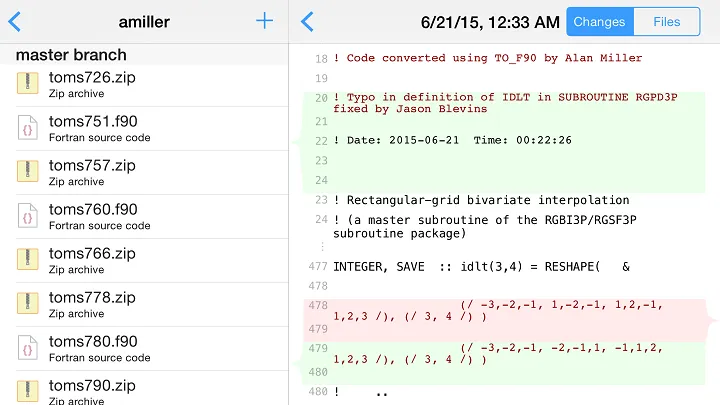
Overview: Working Copy's iOS app emulates Git client for full workflows, from clone to push with SSH support.
Strengths: Full Git commands offline, $19.99 one-time for pro features like submodules. Tutorials bisect, integrates TestFlight.
Weaknesses: iOS-only, no Android. Complex for beginners.
Overall Evaluation: Working Copy emulates Git fully on iOS, power users, platform narrows.
6. Git2Go
Overview: Git2Go's app visualizes timelines and diffs for merge workflows with syntax highlighting.
Strengths: Timeline scrubs history, free basics with offline diffs. Tutorials amend commits, supports GitHub.
Weaknesses: Viewer-focused, push limited. Free watermarks.
Overall Evaluation: Git2Go timelines workflows cleanly, visual learners, push light.
7. Tower Git Client
Overview: Tower's app practices advanced Git with interactive rebase and stash previews.
Strengths: Drag-drop branches, $59/year pro with offline rebase. Tutorials interactive rebase, supports Bitbucket.
Weaknesses: Costly, iOS/Android but pro-gated.
Overall Evaluation: Tower rebases workflows expertly, advanced users, cost gates.
8. Fork Git Client
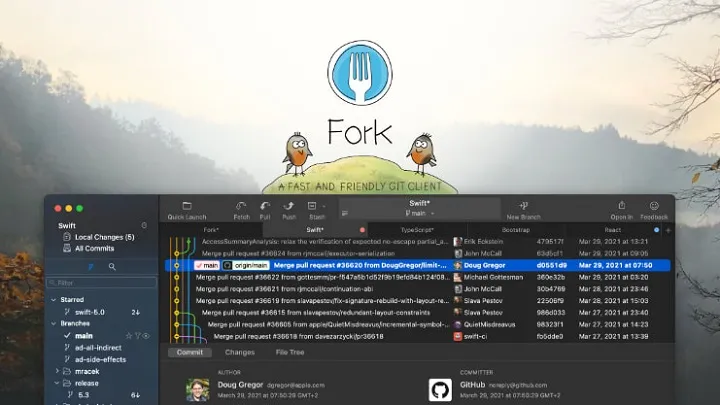
Overview: Fork's app visualizes merges and conflicts for workflow practice.
Strengths: Conflict resolver interactive, free with offline merges. Tutorials three-way, supports GitLab.
Weaknesses: Mac-primary, mobile beta.
Overall Evaluation: Fork resolves workflows intuitively, merger ideal, beta limits.
9. Programming Hub
Overview: Programming Hub modules Git in JS/Python, compilers for commit tests.
Strengths: Offline videos explain bisect, $6.99/month certs. Examples workflows, progress gamifies.
Weaknesses: Scattered, UI dated. Oversimplifies.
Overall Evaluation: Programming Hub certifies Git affordably, versatile, fragmentation dilutes.
10. SoloLearn
Overview: SoloLearn gamifies Git in JS, quizzes on branches and playgrounds for merges.
Strengths: Free 20M+ shares, XP daily commits. Offline quizzes feedback. Bite blends fun.
Weaknesses: Introductory skips advanced, ads disrupt.
Overall Evaluation: SoloLearn energizes entry Git socially, fun newbies, depth wanting.
Conclusion
Learning code version control workflows on mobile commits 2025's collaborative revolution, from open-source at GitHub to enterprises at Atlassian, and these ten apps branch your ascent portably. Beginners SoloLearn quizzes or Programming Hub certs, pros GitHub PRs or GitLab pipelines. Standouts SourceTree graphs, Working Copy emulates but platforms or gates stacks. As GitOps rises, adapt. Commit daily, merge branches, blend apps to version empires that collaborate cleanly.