


Top 10 ChatGPT Alternatives That Are Redefining Conversational AI by 2025
Conversational AI has seen an explosive rise in recent years, with ChatGPT standing at the center of innovation. However, by 2025, a growing number of alternatives have emerged, each bringing unique features, ethical frameworks, and specialized applications. Whether you are looking for advanced research capabilities, enterprise-ready solutions, or AI assistants tailored for creativity, there is now a wide variety of platforms to explore.
This article introduces the top 10 ChatGPT alternatives that are redefining the conversational AI landscape in 2025.
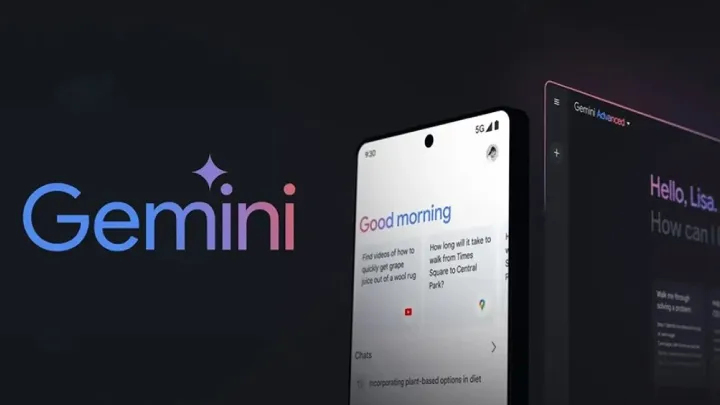
1. Google Gemini
Google Gemini is one of the most powerful AI tools available today, combining Google’s search engine infrastructure with large-scale generative AI. Unlike ChatGPT, Gemini integrates directly with Google Search, YouTube, and Workspace tools, allowing for seamless workflows across personal and professional tasks.
Its biggest advantage lies in multimodality: Gemini can process text, code, images, and video in a single query. This opens the door to highly advanced use cases, such as summarizing a video lecture into bullet points or generating data insights from spreadsheets in real time. With strong enterprise adoption, Gemini has become a leading alternative to ChatGPT for both individuals and organizations.
2. Anthropic Claude
Claude, developed by Anthropic, has gained immense popularity thanks to its ethical AI framework and safety-first design. Named after Claude Shannon, the father of information theory, this AI model excels in natural, human-like conversation.
Claude focuses on helpfulness, honesty, and harmlessness, making it especially appealing to institutions concerned with AI ethics. By 2025, Claude 3.5 models are being used in research, corporate workflows, and creative writing. Its long-context understanding allows it to process large documents more efficiently than many competitors, making it a reliable tool for legal research, technical analysis, and knowledge management.
3. Microsoft Copilot
Microsoft Copilot has transformed how users work with productivity software. Fully integrated into Microsoft Office 365, Copilot acts as a conversational assistant across Word, Excel, PowerPoint, and Outlook. Instead of being a standalone chatbot, Copilot functions within the apps people already use daily.
By 2025, Copilot supports advanced data visualization in Excel, automated report generation in Word, and professional slide design in PowerPoint. For enterprises, its integration with Teams streamlines collaboration by generating meeting summaries, scheduling tasks, and drafting follow-up emails. Copilot is one of the strongest ChatGPT alternatives in the corporate world.
4. Perplexity AI
Perplexity AI combines conversational abilities with a search engine-like interface. Unlike ChatGPT, which primarily generates responses, Perplexity provides real-time references and citations with its answers. This makes it highly trustworthy for users who require accurate and verifiable information.
By 2025, Perplexity has become a favorite among researchers, students, and journalists. Its ability to combine the conversational nature of AI with the reliability of academic references sets it apart from most alternatives. The platform also emphasizes transparency by showing its sources, which is essential for fact-checking in a world of information overload.
5. Jasper AI
Jasper AI has become a go-to platform for marketers, content creators, and businesses looking for professional-grade AI writing assistance. While ChatGPT is versatile, Jasper specializes in copywriting, SEO-optimized content, and brand-specific messaging.
By 2025, Jasper integrates deeply with content management systems, offering templates for blog posts, ad campaigns, and email sequences. Its brand voice customization allows companies to maintain consistency across all communication channels. For businesses focusing on content marketing, Jasper is a clear alternative to ChatGPT with industry-specific advantages.
6. Character AI
Character AI takes a completely different approach to conversational AI by focusing on personalities and role-play. Instead of functioning as a general assistant, it allows users to interact with AI characters that embody fictional or real-world personas.
By 2025, Character AI has become a hub for interactive storytelling, entertainment, and educational simulations. Users can chat with AI representations of historical figures, fictional characters, or even create their own digital personalities. Its popularity highlights a growing trend in AI being used not just for productivity but also for entertainment and self-expression.
7. YouChat
YouChat, developed by You.com, blends conversational AI with web search capabilities. Similar to Perplexity, it prioritizes transparency by citing sources. However, YouChat is designed as part of an entire AI-powered search ecosystem, allowing users to browse, summarize, and interact with web results in real time.
By 2025, YouChat offers personalized results, multimodal capabilities, and integrations with productivity tools. It is particularly popular among professionals who want a balance between conversational AI and reliable search functionality, without relying solely on Google.
8. Replika
Replika is an AI companion app designed to provide emotional support and personal interaction. While ChatGPT focuses on information and productivity, Replika emphasizes empathy and relationship building.
By 2025, Replika has expanded its capabilities with voice, video, and virtual reality integration. Users turn to Replika for companionship, guided meditation, and therapeutic conversations. It has become one of the most distinct ChatGPT alternatives due to its focus on mental health and emotional well-being.
9. Hugging Face Chat
Hugging Face is best known as a hub for open-source AI development, and by 2025 its conversational AI tools have matured significantly. Hugging Face Chat allows users to interact with a wide variety of models, from large language models to specialized task-specific AI.
Its open-source nature makes it particularly attractive for developers, researchers, and companies who want customization and control over their AI solutions. Unlike ChatGPT, which is proprietary, Hugging Face fosters a collaborative ecosystem where innovation is driven by the community.
10. Meta AI
Meta AI, built by the parent company of Facebook and Instagram, has entered the scene with a focus on social integration and real-time communication. By embedding AI directly into social media platforms, Meta AI provides personalized content recommendations, smarter chatbots for businesses, and enhanced tools for creators.
By 2025, Meta AI is increasingly used in customer service, e-commerce, and entertainment. Its integration with VR and AR technology also points toward the future of conversational AI in immersive environments.
The Rise of Specialized AI Tools
The diversity of these ChatGPT alternatives shows a broader trend: AI is no longer just about answering questions. Platforms are becoming increasingly specialized, focusing on niches such as education, marketing, therapy, or corporate productivity. This specialization makes it easier for users to find the right tool for their specific needs.
Choosing the Right Alternative
When deciding which AI platform to adopt, it is important to consider your goals. If accuracy and transparency are critical, Perplexity AI or YouChat may be best. For enterprise-level productivity, Microsoft Copilot or Google Gemini shine. For creative and personal use, Character AI and Replika offer unique experiences.
The Future of Conversational AI
By 2025, conversational AI is more diverse, accessible, and powerful than ever. While ChatGPT remains a key player, alternatives are rapidly redefining what AI can do. From ethical design to immersive entertainment, these tools are shaping the future of human-computer interaction.
Conclusion
The landscape of conversational AI has evolved far beyond a single dominant platform. With Google Gemini, Claude, Microsoft Copilot, and others leading the way, users now have an abundance of choices tailored to specific needs. These alternatives demonstrate that AI is not only about conversation but about creating smarter, safer, and more meaningful digital experiences.