

In today’s digital world, educational games for kids play an essential role in balancing entertainment and learning. Unlike traditional teaching methods, these games transform lessons into interactive experiences that encourage children to think critically, solve problems, and explore creativity. From improving math and reading to enhancing logical thinking and memory, these games make learning fun and engaging.
Here is a list of the top 10 educational games for kids that parents and educators can use to support skill development while keeping children entertained.
1. Minecraft: Education Edition
Minecraft is more than just a building game—it has an Education Edition designed specifically for learning. Children can explore coding, history, chemistry, and problem-solving in a creative sandbox environment.
- Pros: Encourages teamwork, creativity, and critical thinking.
- Cons: Requires guidance for younger children to stay focused on learning.
2. Prodigy Math Game
Prodigy turns math into an epic adventure. Kids battle monsters by solving math problems tailored to their level.
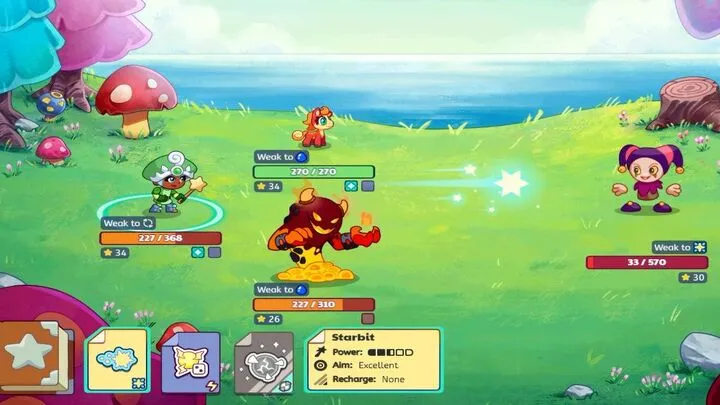
- Pros: Adaptive learning, free to play, makes math fun.
- Cons: Some premium features require payment.
3. ABCmouse
ABCmouse is an award-winning platform covering subjects like reading, math, science, and art for children aged 2–8.
- Pros: Comprehensive learning system, progress tracking for parents.
- Cons: Works best with parental supervision for very young kids.
4. Duolingo Kids
Language learning becomes exciting with Duolingo Kids, a simplified version of the popular Duolingo app. Children can learn Spanish, French, and other languages through interactive lessons.
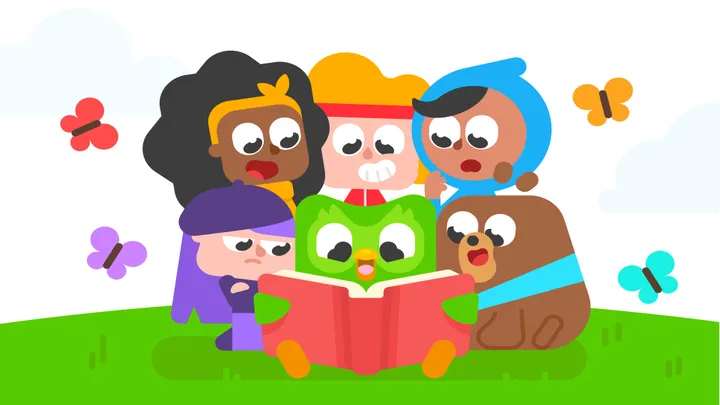
- Pros: Fun animations, easy to use, free option available.
- Cons: Limited to certain languages.
5. BrainPOP
BrainPOP offers animated videos, quizzes, and games across subjects such as science, history, and technology.
- Pros: Engaging visuals, wide subject coverage.
- Cons: Some advanced content may be better suited for older kids.
6. PBS Kids Games
PBS Kids provides hundreds of mini-games based on popular TV shows like Sesame Street and Arthur. These focus on reading, problem-solving, and creativity.
- Pros: Safe environment, age-appropriate, free.
- Cons: Some games are very simple and best for younger children.
7. Toca Boca Series
Toca Boca offers digital playsets like Toca Life: World, which allow kids to explore real-life scenarios such as hospitals, schools, and cities.
- Pros: Boosts imagination and storytelling.
- Cons: More creative than academic, but still highly educational.
8. Osmo Learning Games
Osmo combines physical play with digital apps. Using an iPad and special pieces, kids learn math, spelling, coding, and drawing.
- Pros: Hands-on learning, highly interactive.
- Cons: Requires purchase of Osmo kit.
9. National Geographic Kids Games
With puzzles, quizzes, and exploration challenges, National Geographic Kids makes science and geography fun.
- Pros: High-quality educational content, encourages curiosity.
- Cons: Some games require reading skills.
10. Endless Alphabet
Perfect for preschoolers, Endless Alphabet uses cute monsters to teach vocabulary and spelling.
- Pros: Simple, colorful, effective for early learning.
- Cons: Limited scope—mainly focused on language.
Conclusion
Educational games for kids provide more than just entertainment—they support skill development in math, reading, science, and creativity. From Minecraft Education Edition for problem-solving to Endless Alphabet for early literacy, these games prove that learning doesn’t have to be boring. Parents and teachers can use these tools to create a positive, fun, and engaging learning environment.