

Introduction: The Evolution of Home Cinema
For decades, the way people watch movies has evolved dramatically. From the golden era of crowded theaters to the age of VHS tapes and DVDs, home entertainment has always been shaped by technology. But nothing has transformed it more profoundly than the internet and mobile applications. The rise of streaming has redefined how we experience cinema, making it more personal, flexible, and accessible than ever before.
Today, the home cinema is not just about owning a giant TV or a powerful sound system. It’s about having the right apps that open the door to endless cinematic experiences. Whether you’re a fan of blockbuster franchises, indie films, documentaries, or cult classics, there’s an app tailored to your taste. With just a few taps, you can access thousands of titles, watch exclusive originals, or even rent the latest releases from the comfort of your couch.
But the abundance of choice can be overwhelming. Every platform claims to be the best, yet each comes with its strengths and limitations. Subscription costs, regional restrictions, and catalog differences make the decision tricky. That’s why we’ve created this ultimate guide to the Top 10 essential apps for movie lovers. These apps don’t just stream movies—they redefine the entire home cinema experience by combining quality, convenience, and innovation.
In this detailed exploration, we’ll dive into the unique features of each app, their pros and cons, the audiences they serve best, and how they stand out in the competitive streaming ecosystem. By the end, you’ll know exactly which apps deserve a permanent spot on your device and how to build your perfect digital cinema.
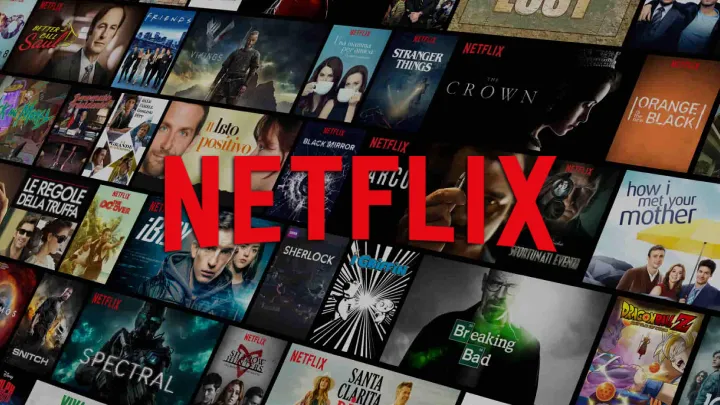
1. Netflix
Netflix has become synonymous with streaming, revolutionizing how we watch films and TV. Launched in 1997 as a DVD rental service, it transitioned into online streaming in 2007 and quickly became a global giant. Today, it offers a massive library of content spanning movies, TV shows, documentaries, stand-up specials, and an ever-growing list of Netflix Originals.
What makes Netflix stand out is its investment in original programming. From Oscar-winning films like Roma and The Irishman to groundbreaking series such as Stranger Things and The Crown, Netflix has redefined content creation. Its algorithm-driven recommendations ensure viewers discover titles aligned with their preferences, creating a personalized cinema experience.
Pros include its global reach, vast catalog, multi-device access, and ad-free viewing for subscribers. However, licensing agreements mean that movie libraries differ by region, and subscription fees have risen steadily. Another downside is the removal of popular titles when licenses expire, which frustrates long-time fans.
For movie lovers, Netflix is ideal if you want constant fresh content, international films, and a balance between Hollywood hits and indie gems. It remains the undisputed king of streaming, but it’s also facing fierce competition.
2. Amazon Prime Video
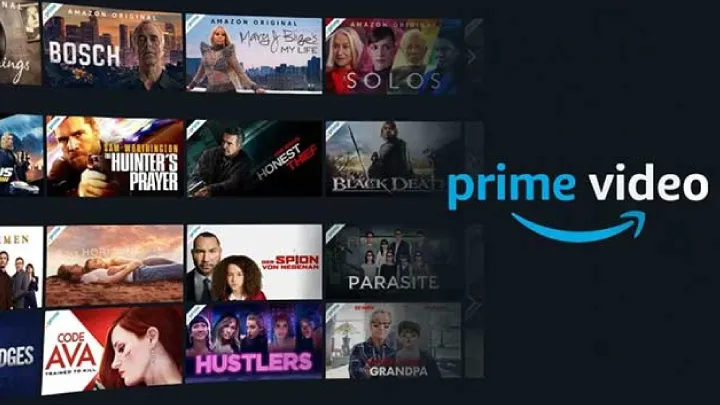
Amazon Prime Video, bundled with Amazon’s Prime membership, has carved its own niche in the streaming landscape. What sets it apart is its dual nature: a subscription-based library plus an option to rent or purchase the latest films. This makes it flexible for cinephiles who want both a steady flow of included titles and access to brand-new blockbusters.
Prime Video boasts a diverse catalog with Hollywood films, international cinema, and Prime Originals like The Boys, Manchester by the Sea, and Sound of Metal. For movie buffs who appreciate independent films and award-winning dramas, it offers a refreshing alternative to Netflix.
The advantages are clear: affordable when bundled with Prime, a mix of old and new releases, and the ability to buy movies outright. However, its interface can feel cluttered, with ads for paid content mixed in with free titles, which sometimes confuses users. The catalog also varies significantly by region.
Still, for those who already use Amazon services, Prime Video is a no-brainer. It’s perfect for people who want one app that covers blockbusters, indie films, and rentals without juggling multiple platforms.
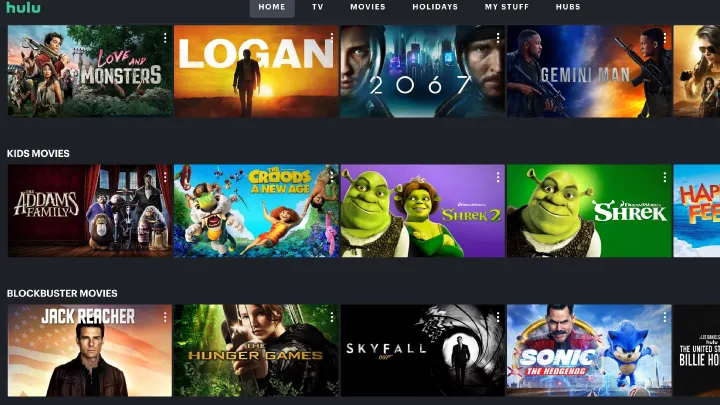
3. Hulu
Hulu, primarily available in the U.S., excels in offering next-day access to current TV shows from major networks alongside an impressive film library. It’s a hybrid platform that bridges the gap between traditional television and modern streaming, making it unique in the market.
For movie lovers, Hulu offers a curated selection of films, ranging from classics to cult favorites and contemporary hits. Partnerships with networks like FX have brought high-quality content such as Nomadland, which won the Oscar for Best Picture. Hulu is also investing heavily in originals, including critically acclaimed titles like Palm Springs.
One major strength is its affordability, with flexible plans that include ad-supported and ad-free tiers. Adding premium channels like HBO, Showtime, or Starz enhances its value further. However, Hulu’s availability outside the U.S. is limited, requiring VPNs for international access.
Overall, Hulu is best for viewers who want the latest TV shows and a strong selection of films in one app. It’s not as globally dominant as Netflix or Prime Video, but within the U.S., it’s indispensable.
4. Vudu
Owned by Fandango, Vudu specializes in digital rentals and purchases, positioning itself as a modern alternative to DVD and Blu-ray collections. Unlike subscription services, Vudu doesn’t charge a monthly fee—you only pay for the movies you want to watch. For cinephiles who prefer quality over quantity, this à la carte model is perfect.
Vudu’s library is massive, with thousands of films available in 4K UHD, including the latest theatrical releases. Its "Movies on Us" section even provides free, ad-supported films, which adds extra value. The platform also supports advanced features like Dolby Vision and Dolby Atmos, delivering a true home cinema experience for tech enthusiasts.
Pros include flexibility, top-notch audio-visual quality, and ownership of digital copies. The main drawback is cost—buying or renting frequently can become expensive compared to flat-rate subscriptions.
For movie lovers who cherish collecting films and experiencing them in the best quality possible, Vudu is unmatched. It appeals to purists who view movies as treasures to own, not just streams to consume.
5. Popcornflix
Popcornflix is a hidden gem for those who want free access to movies without monthly fees. It operates as an ad-supported service, offering a surprisingly diverse library of films across genres. While it doesn’t match the depth of paid services, it’s an excellent option for casual movie nights.
The platform thrives on older classics, cult films, and lesser-known titles that aren’t always available on mainstream apps. For cinephiles with eclectic tastes, Popcornflix can feel like a treasure hunt, uncovering forgotten gems from past decades.
The main advantage is obvious: it’s completely free. On the downside, the ad interruptions can be distracting, and the catalog lacks the latest releases. But for budget-conscious viewers, it provides solid value without compromising too much on quality.
Popcornflix is best for those who want to expand their film knowledge, explore hidden classics, or simply enjoy free content. It’s not a replacement for premium apps but works well as a supplement.
6. Crackle
Sony’s Crackle is another free, ad-supported streaming service. It offers a mix of Hollywood films, TV shows, and original programming. With no subscription required, it’s appealing for anyone looking to save money while still enjoying a decent catalog.
Crackle stands out with its rotating library that includes popular titles alongside lesser-known works. It has also ventured into original productions, with shows like StartUp gaining a cult following. For movie fans, Crackle offers a steady flow of recognizable titles without the financial commitment.
However, Crackle has limitations: its catalog changes frequently, meaning a film you love today might be gone tomorrow. The ad load is heavier compared to competitors like Popcornflix. Still, its accessibility and compatibility with most devices make it a solid option.
For movie lovers, Crackle is a great supplement to paid subscriptions, ensuring you always have free films available when budgets run tight.
7. Apple TV / iTunes
Apple’s ecosystem has long catered to media enthusiasts, and Apple TV (formerly iTunes Movies) continues that tradition. Unlike Netflix or Hulu, it doesn’t rely on subscriptions. Instead, users can rent or buy movies, often in stunning 4K HDR with Dolby Atmos.
Apple TV shines in terms of quality and availability. New theatrical releases often appear here before other platforms, making it ideal for those who want instant access to the latest films. Integration with Apple devices ensures a seamless experience, and the Apple TV+ service adds a growing collection of originals like CODA, which won Best Picture at the Oscars.
The drawbacks are cost and fragmentation—you pay per title, and Apple TV+ is separate from rentals. Still, the quality is unrivaled, and for cinephiles who prioritize premium viewing experiences, Apple’s platform delivers.
It’s best for Apple users and film enthusiasts who want early access to new releases and cutting-edge quality.
8. Now TV
Now TV, a UK-based service from Sky, offers flexible passes for movies, sports, and entertainment. For cinephiles, the Sky Cinema Pass is the main attraction, providing access to a wide range of blockbuster films and classics.
What makes Now TV unique is its flexibility. Unlike traditional contracts, it operates on a rolling monthly basis, allowing users to subscribe only when they want. The catalog includes recent releases, making it competitive with subscription giants.
The downsides are regional restrictions and limited availability outside the UK and Ireland. Picture quality, while good, doesn’t always match the standards of Apple or Vudu.
Still, for viewers in its service area, Now TV provides a versatile, contract-free way to enjoy cinema. It’s especially useful for those who want both movies and sports under one app.
9. HBO Max
HBO Max, now integrated into the Max platform in some regions, combines HBO’s legendary content with a vast Warner Bros. library. For cinephiles, it’s a treasure chest filled with critically acclaimed films, blockbuster franchises, and timeless classics.
From Game of Thrones and Succession to iconic movies like The Matrix, The Lord of the Rings, and Studio Ghibli’s masterpieces, HBO Max delivers unparalleled variety. Its simultaneous theatrical and streaming releases during the pandemic set a new standard, showing the future potential of digital distribution.
Pros include premium content, a mix of new and old, and family-friendly programming alongside edgy originals. However, the higher subscription cost and regional limitations remain challenges.
For serious movie lovers, HBO Max is essential. It’s not just a streaming app—it’s a cinematic vault that rivals any other platform in both quality and cultural impact.
10. YouTube
YouTube may not be the first app you think of for movies, but its role in home cinema is undeniable. Beyond user-generated videos, YouTube offers rentals and purchases of films, including the latest blockbusters. Its massive reach and integration with Google make it one of the most accessible platforms worldwide.
YouTube Movies provides flexibility for those who don’t want to commit to subscriptions. Meanwhile, countless free films—either legally uploaded or available through ad-supported models—expand its appeal. For cinephiles, YouTube is also a treasure trove of film analysis, reviews, behind-the-scenes content, and classic cinema.
The downsides are inconsistent catalog organization and ad-heavy free content. Still, YouTube’s versatility makes it indispensable in any movie lover’s digital toolkit.
Comparing the Platforms: Which One is Right for You?
While all ten apps enhance the home cinema experience, they serve different audiences. Subscription giants like Netflix, Prime Video, and HBO Max offer breadth and depth, with originals that shape cultural conversations. Free services like Popcornflix and Crackle provide budget-friendly alternatives, though with more ads and older titles. Rental and purchase models like Vudu, Apple TV, and YouTube cater to cinephiles who value ownership and cutting-edge quality.
If you want the widest global selection and constant new content, Netflix is king. For those who enjoy indie films and renting new releases, Prime Video is unmatched. Hulu shines for U.S. viewers balancing TV and films. HBO Max dominates with premium franchises and classics. Meanwhile, Vudu and Apple TV are the go-to platforms for purists seeking the best quality and ownership.
Ultimately, the right choice depends on your habits: do you binge-watch, hunt for classics, or prefer to curate a personal digital library? Many cinephiles combine two or three apps to build a complete home cinema system.
Conclusion: The Future of Home Cinema
The apps we’ve explored today represent more than just convenient ways to watch movies—they symbolize the future of cinema itself. No longer confined to theaters or physical discs, films are now accessible on-demand, in stunning quality, across devices worldwide. For movie lovers, this is both empowering and overwhelming.
As technology advances, the future of home cinema will likely integrate AI-driven personalization, virtual reality screenings, and seamless cross-platform experiences. Imagine putting on VR goggles to step into a virtual theater with friends worldwide, or having an AI curator design your perfect film marathon based on your mood.
For now, these ten apps provide the foundation for an extraordinary home cinema journey. Whether you prefer bingeing Netflix originals, renting the latest releases on Vudu, or exploring free gems on Popcornflix, the magic of cinema is only a tap away.
Home cinema has never been richer, more diverse, or more exciting. The only challenge left for movie lovers is choosing which app deserves your time tonight.