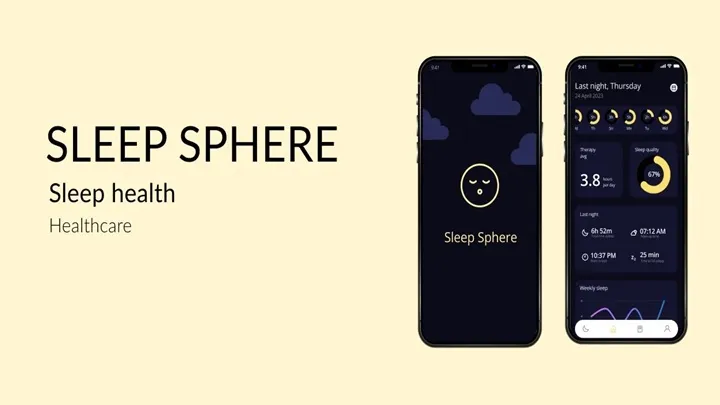







Fitness tracking has come a long way since the early days of simple step counters. By 2025, fitness apps have transformed into comprehensive health companions that merge artificial intelligence, biometric analysis, and personalized coaching. They do more than track workouts—they optimize sleep, monitor recovery, tailor nutrition, and even predict performance outcomes.
As people demand more efficient, customized training experiences, the fitness app market has risen to the challenge. The best apps today don’t just record what you’ve done; they actively guide you toward your goals with data-driven precision. In this article, we’ll explore the top 10 fitness tracking apps in 2025 that are redefining how we set, pursue, and achieve our training goals.
1. Strava – The Social Fitness Leader
Strava continues to dominate as the go-to platform for runners, cyclists, and endurance athletes. By 2025, Strava has expanded its ecosystem with advanced AI analytics, offering personalized training plans based on performance trends and recovery data.
Beyond analytics, Strava’s strength is community. Users can join challenges, compare stats, and engage with millions of athletes worldwide. This mix of competition and camaraderie motivates people to stay consistent and push harder.
Key Features
- AI-driven personalized training insights
- Global fitness community with challenges
- Integration with wearables and smart equipment
2. MyFitnessPal – The Nutrition and Training Balance
MyFitnessPal remains the most comprehensive nutrition and fitness tracking app. In 2025, it uses AI to scan meals via your phone camera, providing instant calorie and macronutrient analysis. This makes food logging faster and more accurate than ever.
The app also syncs with most major wearables to provide a holistic view of calories burned versus consumed. For users who want to balance workouts with proper fueling, MyFitnessPal is essential.
Highlights
- AI-powered meal recognition
- Macro and calorie tracking
- Integration with fitness trackers
3. Fitbit App – Beyond Wearables
The Fitbit app has evolved far beyond its hardware roots. By 2025, it serves as a full wellness platform, even for users without Fitbit devices. It monitors activity, sleep, heart rate, and recovery, while also offering stress management exercises.
With its community challenges and gamified experience, Fitbit keeps fitness fun. It also integrates with other health platforms, making it a hub for your wellness data.
Notable Tools
- Comprehensive sleep and stress tracking
- Community-based fitness challenges
- Works across devices, not just Fitbits
4. Nike Training Club – The Digital Coach
Nike Training Club has positioned itself as a premium coaching platform. In 2025, it offers AI-driven adaptive workout plans that adjust intensity based on your progress, fatigue, and recovery levels.
Its library of workouts is massive, covering everything from yoga and strength training to high-intensity interval sessions. The integration of video demonstrations by professional trainers makes it feel like a gym in your pocket.
Benefits
- Adaptive AI training programs
- Professional trainer-led video workouts
- Wide variety of workout types
5. Apple Fitness+ – Ecosystem Integration at Its Best
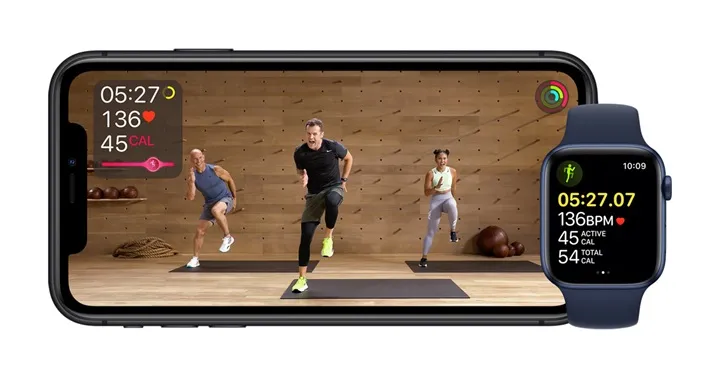
Apple Fitness+ has flourished as part of the Apple ecosystem. In 2025, it integrates more tightly with Apple Watch, iPhone, and Vision Pro, delivering immersive fitness experiences.
Apple’s focus is personalization: Fitness+ now provides real-time feedback on form, pace, and breathing using sensor data. Combined with Apple Music integration, workouts are engaging, data-driven, and motivating.
Standout Features
- Real-time biometric feedback
- Seamless integration with Apple devices
- Immersive workouts via AR/VR experiences
6. Google Fit – Simplicity with AI Smarts
Google Fit has become a smarter, leaner tool for general fitness tracking. Its strength in 2025 lies in simplicity—tracking steps, heart rate, and movement—while leveraging AI to provide tailored health nudges.
By integrating with Google Health and Android devices, it creates a holistic view of well-being. It’s ideal for those who want effortless tracking without overwhelming complexity.
Core Features
- Easy activity and heart rate monitoring
- AI-based health nudges
- Integration with Android ecosystem
7. Samsung Health – A Wellness Powerhouse
Samsung Health has grown into a complete wellness platform. In 2025, it not only tracks activity and workouts but also offers mental health tools like guided meditation, stress analysis, and sleep coaching.
Its integration with Samsung wearables makes it a seamless experience for Galaxy users, while partnerships with gyms and trainers provide exclusive programs.
Highlights
- Mental health and sleep support
- Full integration with Samsung devices
- Access to professional training programs
8. MapMyRun by Under Armour – Precision for Runners
MapMyRun has remained the choice app for dedicated runners. In 2025, it offers hyper-local route suggestions, weather-based training adaptations, and AI coaching that analyzes running form via phone sensors.
The app’s partnership with Under Armour footwear adds another layer, providing real-time stride and impact data directly from smart shoes. This makes it invaluable for runners seeking efficiency and injury prevention.
Advantages
- AI form and stride analysis
- Smart shoe integration
- Personalized route and training suggestions
9. Centr by Chris Hemsworth – The Celebrity Coach App
Centr combines celebrity influence with real science. In 2025, it offers not only workouts but also meal plans, mindfulness sessions, and recovery routines. Led by fitness experts, chefs, and wellness coaches, it’s an all-in-one lifestyle platform.
Its unique selling point is variety. From martial arts-inspired workouts to plant-based meal guidance, Centr appeals to users who want both entertainment and holistic health.
Special Features
- Full lifestyle coaching (fitness, nutrition, wellness)
- Programs led by experts and celebrities
- Mindfulness and recovery tools
10. WHOOP App – Performance and Recovery Mastery
WHOOP is designed for serious athletes. By 2025, the WHOOP app goes beyond tracking—it predicts readiness by analyzing heart rate variability, strain, and sleep patterns. It focuses heavily on recovery to optimize performance.
The subscription model includes detailed insights that are ideal for professionals or highly committed fitness enthusiasts. WHOOP is not about steps—it’s about peak performance.
Unique Strengths
- Advanced recovery and readiness scores
- Professional-level performance analytics
- Subscription-based premium insights

Conclusion
Fitness tracking in 2025 is no longer about counting steps—it’s about achieving holistic health and smarter training goals. From Strava’s community-driven endurance coaching to WHOOP’s advanced recovery analytics, these apps offer something for every fitness style.
Whether you’re a beginner wanting simple guidance, a runner seeking precision, or an athlete aiming for peak performance, there’s an app tailored to your journey. With AI, biometric data, and immersive experiences shaping the landscape, fitness apps are truly redefining how we set and reach our training goals.