
Legendary Racing Games That Define Speed
Racing games have always been at the forefront of gaming, blending adrenaline, precision, and the timeless thrill of speed. Over the years, several titles have shaped the racing genre, leaving behind a legacy that continues to inspire new developers and captivate players. From arcade classics to hyper-realistic simulators, these legendary racing games not only defined speed but also carved their names into gaming history.
In this article, we will explore the top legendary racing games that define speed, tracing their impact, unique features, and why they remain unforgettable to fans worldwide.
1. Need for Speed: Most Wanted (2005)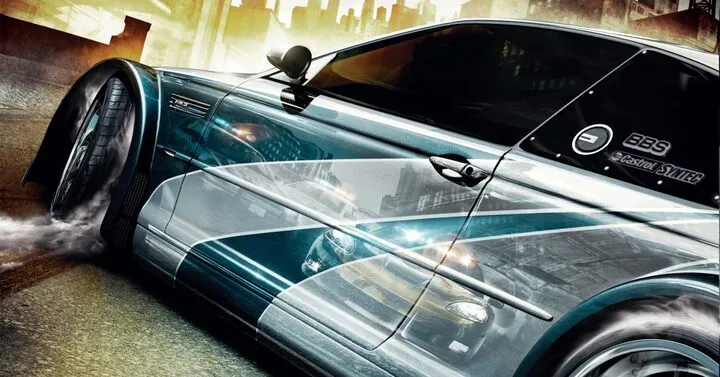
Few racing games have left as big a mark as Need for Speed: Most Wanted. Released in 2005, this title perfectly combined street racing with police pursuits, making it one of the most iconic entries in the franchise.
The Thrill of the Chase
Unlike many traditional racers, Most Wanted emphasized high-speed police chases. Escaping spike strips, helicopters, and roadblocks while still outpacing rival racers created moments of pure adrenaline.
Impact on the Genre
This game set the standard for open-world street racing. Its “Blacklist” system encouraged players to climb the ranks, giving every race a sense of purpose. Even today, fans regard it as the pinnacle of arcade-style racing.
2. Gran Turismo 3: A-Spec (2001)
When realism in racing games is discussed, Gran Turismo 3: A-Spec immediately comes to mind. Developed by Polyphony Digital, it was a technical masterpiece for its time, introducing players to the closest thing to real-life driving physics.
Realism at Its Finest
Every car was meticulously designed, with precise handling and authentic performance characteristics. It gave players a true driving school experience, teaching them braking techniques, cornering, and acceleration management.
Long-Term Influence
GT3 brought simulation racing into the mainstream. With its stunning graphics for the PlayStation 2 and extensive car list, it shaped how modern racing simulators are built today.
3. Mario Kart 64 (1996)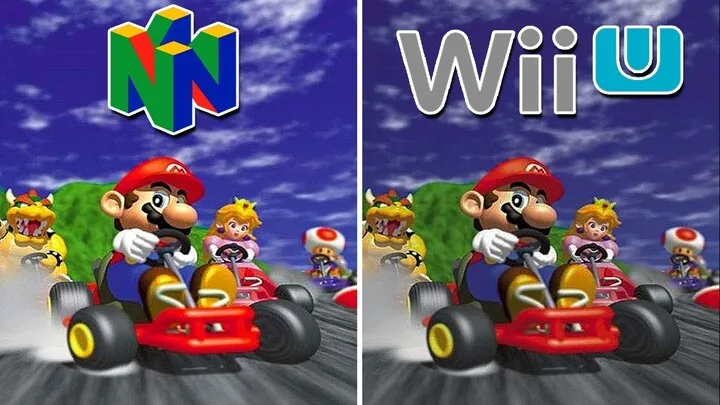
Not all legendary racing games are about realism—some are about fun, creativity, and chaos. Mario Kart 64 turned racing into a party, offering unpredictable outcomes and hilarious rivalries.
Iconic Power-Ups
The use of items like red shells, lightning bolts, and banana peels made every race feel unique. Speed was important, but strategy and timing often decided the winner.
Cultural Phenomenon
Mario Kart 64 became a staple of multiplayer gaming. It introduced many players to competitive racing while ensuring accessibility for all ages, cementing its legendary status.
4. Burnout 3: Takedown (2004)
When it comes to pure chaos and speed, Burnout 3: Takedown reigns supreme. Known for its spectacular crashes, aggressive racing style, and explosive gameplay, it redefined arcade racing.
High-Octane Action
Unlike traditional racers, Burnout rewarded aggression. Knocking rivals off the road in slow-motion “takedowns” gave players a rush unlike any other racing game.
Lasting Legacy
The game influenced future titles by blending combat mechanics with racing, proving that speed could also mean destruction. It remains one of the most beloved arcade racers ever created.
5. F-Zero GX (2003)
If speed had a visual representation, it would be F-Zero GX. Known for its futuristic setting and lightning-fast tracks, this game tested reflexes to the absolute limit.
Pushing Limits
With blistering speeds that felt beyond human reflexes, players had to master precision control. Its neon aesthetics and extreme difficulty earned it cult status.
Ahead of Its Time
Even today, fans call for Nintendo to revive the F-Zero series. GX proved that futuristic racing could deliver the ultimate test of speed and skill.
6. Forza Motorsport 4 (2011)
The Forza series is synonymous with modern racing excellence, and Forza Motorsport 4 stands out as its masterpiece. It struck a balance between realism and accessibility, welcoming both casual fans and hardcore drivers.
Visual and Mechanical Mastery
With breathtaking graphics, realistic driving physics, and a vast car selection, Forza 4 captured the beauty of car culture while offering true-to-life speed.
Influence on the Community
Its integration of Kinect and Autovista mode, where players could virtually explore cars, set it apart. Forza Motorsport became a benchmark for console racing simulators.
7. OutRun (1986)
The arcade classic OutRun deserves recognition as one of the pioneers of racing games. With its vibrant visuals and iconic red Ferrari Testarossa, it defined arcade speed for a generation.
Arcade Innovation
Unlike other racers of its time, OutRun emphasized a free-driving experience. Players could choose branching routes, making every playthrough different.
Timeless Appeal
Even decades later, OutRun’s soundtrack and style remain legendary. It wasn’t just about racing—it was about the freedom of the open road.
8. Colin McRae Rally 2.0 (2000)
For rally fans, Colin McRae Rally 2.0 was revolutionary. It brought authentic rally racing to consoles, combining technical driving with unpredictable tracks.
Authentic Rally Experience
Players had to handle gravel, mud, and snow, adapting to ever-changing conditions. The game’s co-driver instructions made it feel like a real rally event.
A Legacy of Grit
This title paved the way for modern rally simulations like Dirt Rally. It proved that racing wasn’t just about speed but also endurance and skill.
9. Midnight Club 3: DUB Edition (2005)
Street racing reached new heights with Midnight Club 3. Known for its fast-paced open-world races and car customization, it embodied the underground racing scene.
Fast and Stylish
With cities modeled after real locations and endless tuning options, players could showcase both speed and personality. Its arcade feel made it wildly addictive.
Influence on Culture
This game captured the early 2000s car culture perfectly. It blended racing with style, inspiring future titles in both aesthetics and gameplay.
10. TrackMania Nations Forever (2008)
Closing the list is TrackMania Nations Forever, a unique take on racing. Instead of realism, it emphasized creativity, stunts, and online competition.
Gravity-Defying Tracks
The game’s insane loops, jumps, and wall rides tested players’ precision and reflexes at extreme speeds. No two races ever felt the same.
Community-Driven Success
Its free availability and strong online community made it a phenomenon. To this day, it remains one of the most-played competitive racing games on PC.
Conclusion: The Eternal Thrill of Speed
From the neon streets of Need for Speed: Most Wanted to the futuristic chaos of F-Zero GX, these legendary racing games showcase the diversity of the genre. Some emphasized realism, while others embraced chaos and creativity. Yet, all of them shared one defining element: the pursuit of speed.
These titles not only shaped gaming history but also continue to inspire new generations of racers. Whether you prefer simulation or arcade, there is no denying the legacy these games left behind.