


Sports have always been an essential part of human culture. When combined with the interactive power of video games, they create experiences that unite millions of players worldwide. Over the decades, sports games have not only entertained fans but also redefined competitive gaming, inspired communities, and sometimes even influenced real-world sports culture.
This article explores ten of the most influential sports games that became global phenomena, examining how they transformed the industry and why they remain timeless.
1. FIFA Series – The King of Football Gaming
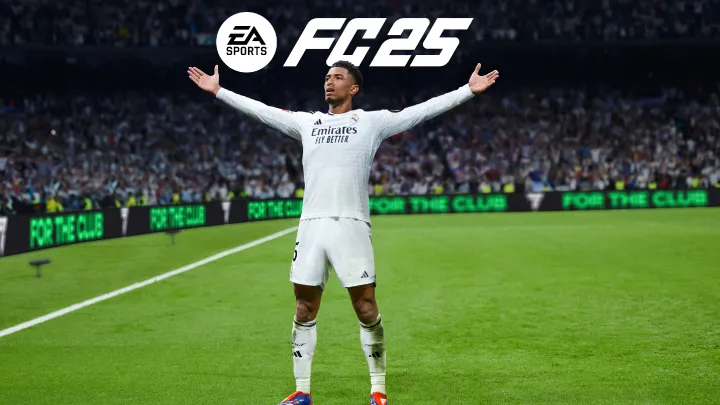
The FIFA series by EA Sports has been the undisputed champion of football video games since its debut in 1993. Every year, millions of players worldwide rush to experience the latest installment.
Why It Became a Phenomenon
- Official licenses with real teams, players, and stadiums.
- Career mode and Ultimate Team revolutionized sports gaming.
- Served as a bridge between football culture and gaming.
Global Impact
FIFA isn’t just a game—it’s a lifestyle. Its accessibility makes it popular in countries where football is a national passion, such as Brazil, Spain, and England. Esports tournaments like the FIFA eWorld Cup also highlight its competitive edge.
2. Pro Evolution Soccer (PES) / eFootball – The Rival Challenger
Konami’s Pro Evolution Soccer (later rebranded as eFootball) was once FIFA’s greatest rival. Known for its realistic gameplay and tactical depth, PES captured the hearts of purists.
Legacy
- Introduced the iconic “Master League” mode.
- Favored by players who valued realism over licenses.
- Sparked decades-long rivalry with FIFA that fueled innovation.
Even today, PES/eFootball maintains a loyal fanbase, especially in regions like Asia and South America.
3. NBA 2K Series – Basketball Meets Virtual Realism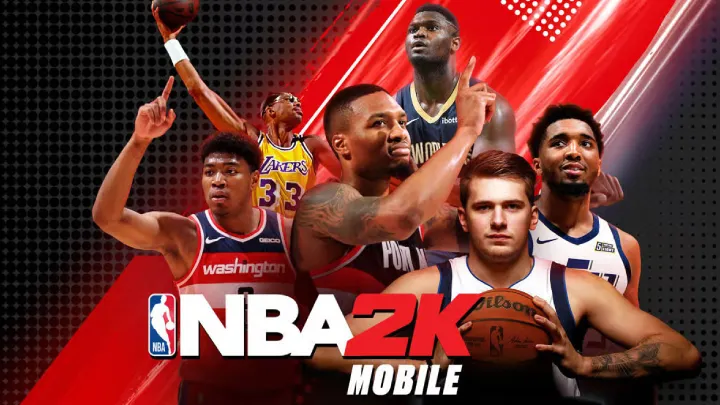
The NBA 2K franchise has become synonymous with basketball. Since 1999, it has evolved into one of the most immersive sports simulations ever created.
Features That Defined It
- MyCareer mode lets players build personal stories.
- Realistic animations and physics capture the essence of basketball.
- Online competition through The Park and Pro-Am keeps players engaged.
Influence
NBA 2K has even influenced the NBA itself, with esports leagues backed by official teams. It’s a true fusion of real-world sports and digital competition.
4. Madden NFL – The American Football Legacy
In the U.S., Madden NFL is more than just a video game—it’s a cultural institution. First released in 1988, it remains the definitive representation of American football.
Why It Endures
- Exclusive NFL licensing ensures authenticity.
- Franchise mode allows deep team management.
- Madden tournaments are a staple of esports in North America.
Its yearly release is as anticipated as the actual NFL season, cementing its place in gaming history.
5. Wii Sports – Bringing Sports to Everyone
Nintendo’s Wii Sports (2006) became a global sensation thanks to its accessible motion controls. Families, seniors, and casual gamers all joined the fun.
Global Phenomenon Factors
- Simple gameplay that anyone can pick up.
- Introduced millions of non-gamers to interactive sports.
- Became one of the best-selling games of all time.
From living rooms to nursing homes, Wii Sports proved that video games could appeal to absolutely everyone.
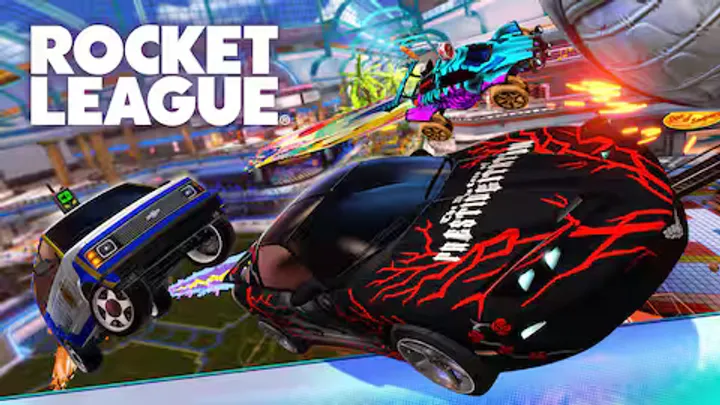
6. Rocket League – Cars Meet Football
When Psyonix launched Rocket League in 2015, it was an unexpected hit. Blending football with rocket-powered cars, it created a thrilling new esport.
Why It Stands Out
- Easy to learn but hard to master.
- Cross-platform play expanded its global reach.
- Esports scene with major tournaments worldwide.
Its unique premise captured audiences who wanted something fresh yet competitive.
7. Tony Hawk’s Pro Skater – The Skateboarding Revolution
Released in 1999, Tony Hawk’s Pro Skater turned skateboarding into a mainstream gaming phenomenon.
Cultural Impact
- Introduced skateboarding culture to millions.
- Legendary soundtrack influenced an entire generation.
- Combo-driven gameplay created addictive replayability.
The series inspired countless players to pick up skateboards in real life, bridging gaming and sports culture.
8. Track & Field / Olympics Games – The Spirit of Competition
Konami’s Track & Field (1983) and later official Olympics video games captured the thrill of multi-sport competition.
Legacy
- Popularized button-mashing sports mini-games.
- Brought the Olympic spirit to arcades and living rooms.
- Served as an introduction to various sports in one package.
Though simple, their cultural reach was massive, especially during Olympic years.
9. Punch-Out!! – Boxing Arcade Classic
Nintendo’s Punch-Out!! (1984) became a hit with its colorful characters and intense boxing gameplay.
Why It’s Memorable
- Introduced iconic character Little Mac.
- Unique mix of strategy, reflexes, and memorization.
- Remains one of the most beloved arcade boxing games.
Its charm and challenge still resonate, making it a timeless classic.
10. Football Manager – The Brain Behind the Game
For fans who love the strategy of football more than the action, Football Manager delivers an unparalleled simulation.
Key Strengths
- Deep database of players and clubs worldwide.
- Realistic management systems, scouting, and transfers.
- Influenced actual football scouting and coaching.
This series is proof that sports gaming isn’t just about playing—it’s about thinking like a real manager.
Conclusion – How Sports Games Became Global Phenomena
Sports games thrive because they combine two universal passions: competition and community. From FIFA’s global dominance to Wii Sports’s family-friendly fun, and from Rocket League’s esports innovation to Football Manager’s strategic depth, these games transcend boundaries of geography, age, and culture.
They are not just games; they are digital sports arenas, cultural touchstones, and global meeting points where millions come together to celebrate their love for competition.