





1. Duolingo — The Gamified All-Rounder
Description (≈100 words)
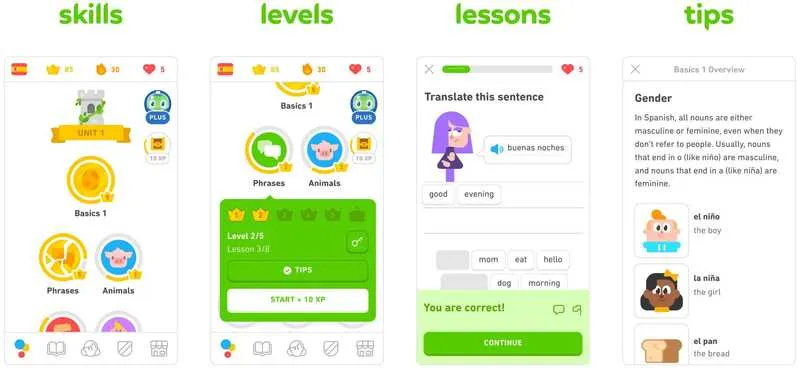
Duolingo remains a dominant force in 2025 for teaching English in an engaging, game-based way. With bite-sized lessons spanning vocabulary, grammar, pronunciation, reading, writing, and listening, it adapts dynamically to each learner via AI-powered algorithms. Features include daily streaks, leaderboards, and reward systems that motivate consistent use. Duolingo offers free lessons with ads, and a premium subscription to remove ads and unlock extra features.
Analysis & Context
Duolingo’s strength lies in its accessibility and addictive structure. It remains an ideal starter platform for beginners seeking motivation through game mechanics. In 2025, it continues to attract new learners by simplifying language learning into daily, enjoyable exercises.
2. Babbel — The Structured Conversation Specialist
Description (≈100 words)
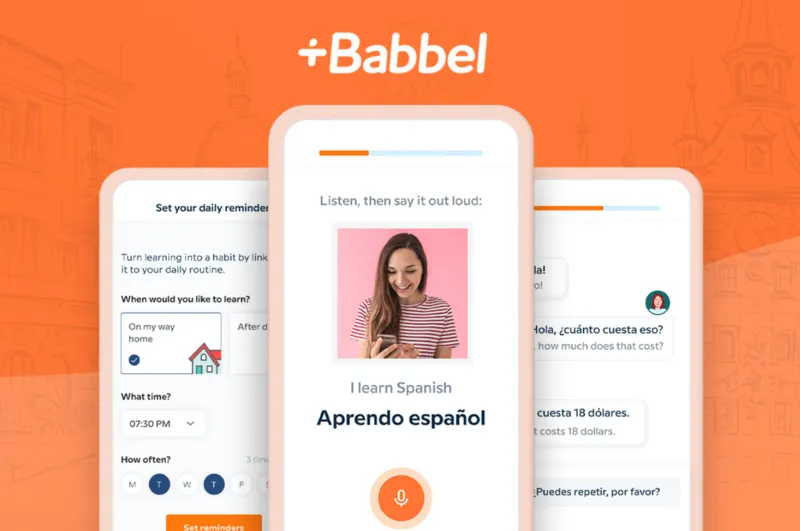
Babbel caters to learners aiming for real-world English conversations. Lessons are professionally crafted and focused on everyday dialogue and grammar, using speech recognition to refine pronunciation. It includes personalized review sessions, cultural context, and, in its Babbel Live offering, real-time group or one-on-one classes with instructors. Babbel offers subscription-based access and a higher price tier, along with a lifetime purchase option.
Analysis & Context
Babbel serves learners wanting practical language usage with structured progress. It is especially suitable for those prioritizing conversational confidence and real-life applications. In 2025, its blend of AI and human instruction keeps it a solid choice for serious learners.
3. Busuu — Community-Driven Learning with Peer Feedback
Description (≈100 words)
With over 100 million users, Busuu offers a learning platform that combines structured lessons (vocabulary, grammar, pronunciation) with native speaker interaction. Learners can submit writing or speaking exercises and receive corrections from fluent users. Courses are organized by CEFR proficiency levels, and there is also offline access and progress tracking. Busuu supports multiple languages and provides certifications for learning milestones.
Analysis & Context
Busuu stands out by integrating human feedback into app-based learning, adding personalization and accountability. It’s well-suited for learners who value interactive practice and realistic correction. For 2025, it maintains relevance by combining digital structure with peer support features.
Full News-Style Article
Introduction
In 2025, mobile apps continue to revolutionize how people learn English. Whether driven by fun, structure, or community, three apps are particularly effective: Duolingo, Babbel, and Busuu. Each serves different learning styles—from casual gaming to everyday conversation to peer-corrected practice. Together, they reflect the growing personalization and diversity of digital language learning.
Duolingo: Learning through Play
Duolingo continues to lead as the most widely used platform for English learners, thanks to its gamified approach. The app breaks lessons into short, engaging sessions and fosters habit formation with daily streaks, leaderboards, and dynamic difficulty adjustments. The free version appeals to casual learners, while the premium tier offers an ad-free experience and extra features. In 2025, Duolingo remains the go-to introduction to English for beginners due to its fun and flexible learning pathway.
Babbel: From Grammar to Conversation
For those seeking structured lessons tailored to real-life contexts, Babbel delivers. Its conversational modules and grammar explanations form a clear progression path, enhanced by speech-recognition tools. Babbel Live offers small-group classes with live instructors—bridging digital lessons with live teaching. Although more expensive, Babbel’s design suits learners focused on speaking confidently. In 2025, it remains a top pick for practical language acquisition.
Busuu: Learning with the Crowd
Busuu brings learner community into the learning process. With structured CEFR-based lessons and the ability to receive feedback from native speakers, it balances solo study with social correction. Offline access and progress tracking make it versatile for different habits. The platform also offers certification options for learners pursuing academic or career goals. In 2025, Busuu stands out for its hybrid of lesson structure and peer feedback.
Comparative Perspective
Though all focus on English learning, these apps cater to distinct learner priorities:
- Duolingo: Ideal for daily casual practice with game motivation.
- Babbel: A solid choice for structured, conversation-ready learning.
- Busuu: Integrates lesson content with real-time, peer-based feedback.
Each app provides a meaningful pathway depending on whether learners prioritize engagement, systematic instruction, or human interaction.
Conclusion
In 2025, English learning has never been more accessible. Whether you're exploring Duolingo for consistent daily practice, choosing Babbel to build real-world speaking skills, or using Busuu for interactive feedback from native speakers, each app serves a unique purpose. Together, they represent the evolution of language learning—more engaging, more effective, and more personalized than ever.