
Fashion has always been more than clothing; it is an extension of identity, self-expression, and culture. In recent years, the rise of fashion games has created a new space where style meets interactivity, allowing players to design, experiment, and showcase their creativity without limits. These digital platforms go beyond simple dress-up mechanics, weaving together storytelling, customization, competition, and even community-driven collaboration.
Today’s leading fashion games cater to a wide spectrum of players—those who love curating outfits, those who thrive in competitive showcases, and those who enjoy immersive life simulations. This professional feature explores the top five fashion games shaping digital style, analyzing how each combines features, player engagement, and design philosophies to create rich experiences. From the wardrobe mechanics to social networks built around fashion, these games define the state of fashion in gaming.
Covet Fashion – The Pioneer of Virtual Styling Competitions
Among mobile fashion games, Covet Fashion has long been a household name. Developed by Crowdstar, it blends real-world brands, stylist competitions, and community voting systems to create an authentic experience. Covet Fashion differentiates itself by aligning with actual fashion houses, bringing recognizable clothing labels into a digital context, which helps blur the line between virtual and real-world style.
At its core, Covet Fashion is about creating looks that match specific challenges. Players receive themed styling tasks—such as “Glam Gala Night” or “Beach Resort Chic”—and must assemble outfits from a digital wardrobe stocked with real-brand apparel. After submission, the community votes, making competition a central aspect of play. Success means higher scores, rewards, and access to more exclusive items.
The voting system is one of Covet’s strongest features. Unlike algorithm-driven scoring, players feel their creativity is validated by human judgment. This peer-to-peer recognition fosters a sense of authenticity, mirroring real-life fashion competitions. The integration of brand partnerships also brings aspirational elements, allowing players to interact with labels they may admire but cannot access in reality.
For professionals studying the impact of gamification on fashion, Covet Fashion represents a model of how digital games can expand brand visibility while simultaneously offering players an empowering creative outlet. Its success lies in merging commercial strategy with authentic player engagement.
Love Nikki – A Narrative-Driven Fashion RPG
If Covet Fashion is about competition, Love Nikki is about storytelling. Originating from Paper Studio, Love Nikki takes fashion into the realm of RPG mechanics, weaving narrative progression, collectible outfits, and immersive world-building into one experience.
Players step into the shoes of Nikki, the protagonist traveling through different regions where fashion is both art and power. Each region presents unique aesthetic traditions, from futuristic cyberwear to ethereal fantasy gowns. To advance, players participate in styling battles, where outfits are scored based on category requirements like elegance, cuteness, or sophistication.
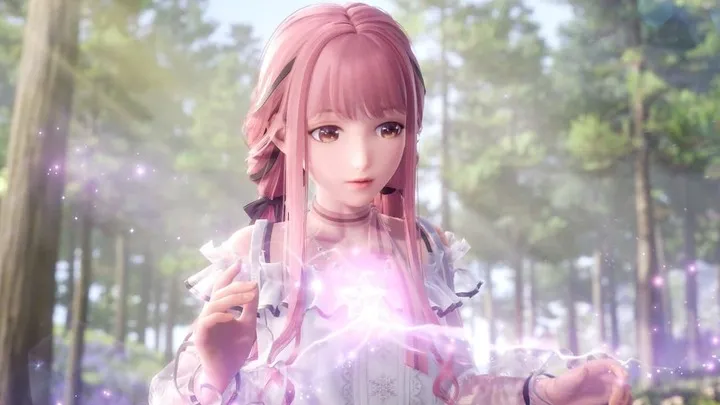
What makes Love Nikki stand out is its sheer breadth of content. With thousands of collectible clothing pieces, accessory layering systems, and even dye customization, the game offers a depth of design unmatched by most titles in the genre. Players are not just assembling outfits; they are curating wardrobes, experimenting with fabric textures, and adjusting styles to match the game’s diverse cultural themes.
The RPG element amplifies engagement. Players progress through quests, unlock rare pieces, and experience a narrative arc filled with rival stylists, legendary designers, and world-spanning fashion contests. This fusion of narrative and fashion creates a level of immersion rarely seen in mobile titles.
For enthusiasts and industry observers alike, Love Nikki illustrates how fashion gaming can transcend casual play, adopting the complexity of RPG mechanics to create long-term retention and deeper emotional engagement.
Drest – Bridging Fashion and Social Media
Where Covet Fashion brings real brands and Love Nikki delivers immersive fantasy, Drest positions itself as a hybrid of fashion styling and social networking. Developed with the backing of luxury brands and influencers, Drest allows players to style digital photoshoots, submit their creations, and share them on platforms that closely resemble Instagram.
At its heart, Drest is about merging the aspirational culture of high fashion with the interactivity of gaming. Players style avatars, models, or even real celebrity partnerships, then place them in themed campaigns ranging from editorial spreads to influencer-style content. Each submission can be liked, shared, and discussed within the community, giving the platform a distinctly social media-driven identity.
What makes Drest especially compelling is its editorial-style challenges. Instead of simple “dress your avatar” mechanics, the game positions players as creative directors of a shoot. Location, lighting, and pose can all be chosen, adding layers of creative control. This makes the experience more than just about clothing—it becomes a multidimensional storytelling process.
Drest also reflects broader fashion industry strategies. By embedding itself in influencer culture and connecting virtual styling to real-world fashion weeks or luxury campaigns, it serves as a new marketing ecosystem for brands. For players, however, it provides empowerment: the opportunity to play with high-end fashion photography without the barriers of cost or access.
Shining Nikki – Elevating Visual Realism in Fashion Gaming
The successor to Love Nikki, Shining Nikki takes everything its predecessor offered and amplifies it with cutting-edge 3D modeling, cinematic presentation, and hyper-realistic garment rendering. Where earlier fashion games leaned on flat illustrations, Shining Nikki immerses players in photorealistic fabrics, dynamic motion, and breathtaking presentation sequences.
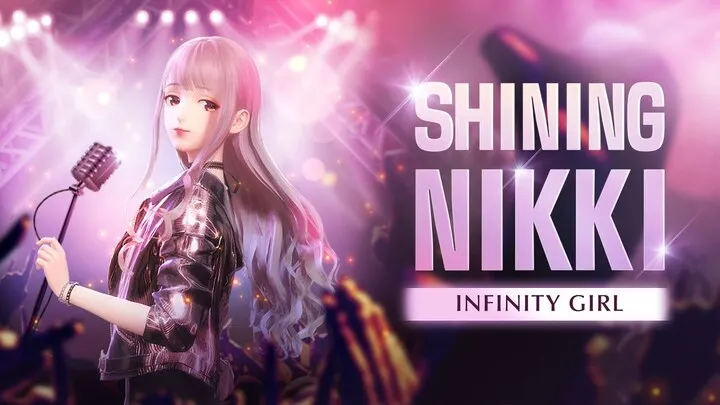
Clothing in Shining Nikki doesn’t just appear—it moves. Silks shimmer, sequins reflect, and gowns flow with animated physics. This realism transforms the styling process into an experience closer to digital haute couture. For fashion-conscious players, the game is less about abstract representation and more about experiencing the feel of fashion in motion.
But Shining Nikki doesn’t sacrifice narrative depth. Like Love Nikki, it includes a story-driven campaign where fashion contests determine outcomes. Characters are voice-acted, cinematics enhance immersion, and the world is crafted with a level of polish that competes with console-level productions.
The blend of technology and fashion is Shining Nikki’s standout feature. By demonstrating how high-end rendering engines can elevate clothing simulation, it provides a glimpse into the potential of future fashion visualization, not just in gaming but in digital retail and virtual fitting rooms.
Fashion Famous (Roblox) – The Accessible Multiplayer Experience
Rounding out the list is Fashion Famous, a community-driven experience within Roblox, which has become one of the most popular entry points for younger fashion enthusiasts. Unlike the polished realism of Shining Nikki or the luxury branding of Drest, Fashion Famous thrives on accessibility, simplicity, and creativity.
In Fashion Famous, players compete in real-time styling rounds. A theme is announced—such as “Red Carpet Ready” or “Back to School”—and participants have a limited time to assemble an outfit from a shared wardrobe. Once the timer ends, all participants walk a virtual runway, and the community votes on the best looks.
This multiplayer dynamic fosters a sense of immediacy and fun. Unlike other games where players compete asynchronously, Fashion Famous emphasizes real-time creativity under pressure, replicating the energy of fashion shows. The social aspect—competing with friends, strangers, and Roblox’s massive community—keeps engagement high.
For industry professionals, Fashion Famous represents the democratization of fashion gaming. Its accessible mechanics, free-to-play environment, and community-driven creativity show how fashion games can reach younger audiences and nurture the next generation of digital stylists.
Conclusion
Fashion games are more than entertainment; they are digital ecosystems that combine creativity, social networking, brand integration, and immersive technology. From the competitive authenticity of Covet Fashion to the narrative richness of Love Nikki, from the social influence of Drest to the technological breakthrough of Shining Nikki, and the accessible fun of Fashion Famous, each game demonstrates a different path toward making fashion interactive.
Together, these top five fashion games highlight the evolving synergy between fashion and technology. They show how gaming is no longer just about entertainment but about expanding the boundaries of identity, creativity, and community. Whether you’re a professional stylist, a casual player, or an industry observer, these titles are proof that the future of fashion will be shaped not only on the runway but also on the digital stage.