




Role-playing games (RPGs) have always held a special place in the gaming industry, giving players the chance to embark on epic adventures, build unique characters, and explore immersive worlds. Over the decades, several RPGs have not only set new standards for the genre but also reshaped gaming as a whole. These titles introduced groundbreaking mechanics, unforgettable storytelling, and deep emotional connections that influenced generations of developers and players alike.
In this article, we’ll take a journey through five RPGs that truly defined the genre and changed gaming history forever.
1. Divinity: Original Sin 2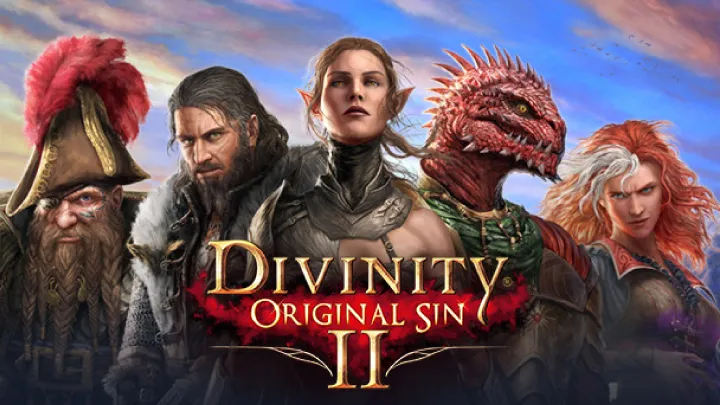
Larian Studios’ Divinity: Original Sin 2 revolutionized the tactical RPG experience. It blended deep turn-based combat, cooperative play, and unparalleled player freedom. Every choice mattered—from dialogue decisions to environmental interactions. Its success inspired a resurgence in isometric RPGs and proved that complex, story-rich adventures still thrive in modern gaming. The game encouraged creativity, rewarding players for experimenting with strategy, exploration, and role-playing. Its critical and commercial success not only inspired a resurgence in isometric RPGs but also proved that complex, story-rich adventures still resonate strongly with modern audiences.
2. The Elder Scrolls V: Skyrim – Open-World Freedom
Released in 2011, Skyrim redefined what open-world RPGs could be. Bethesda gave players unprecedented freedom to create their own character, choose their path, and explore a massive fantasy world filled with quests, dragons, guilds, and countless secrets.
Unlike many RPGs that guide players along a fixed storyline, Skyrim encouraged exploration and decision-making. The ability to mod the game also extended its lifespan, keeping it alive over a decade later. Few RPGs gave players such agency, and Skyrim remains a benchmark for open-world game design.
3. The Witcher 3: Wild Hunt – Storytelling Perfection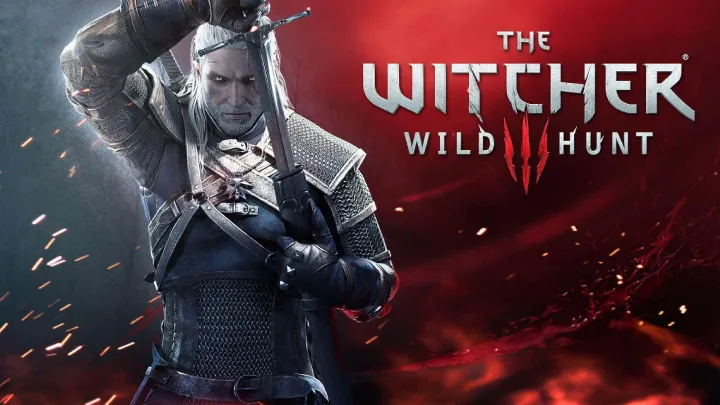
CD Projekt Red’s The Witcher 3 (2015) is often hailed as one of the greatest RPGs of all time. Based on the novels by Andrzej Sapkowski, it combined breathtaking open-world design with a morally complex storyline. Players guided Geralt of Rivia through war-torn lands, political conflicts, and emotional character-driven quests.
What made The Witcher 3 stand out was its emphasis on choice and consequence. Every decision felt meaningful, shaping not only Geralt’s fate but also the lives of entire kingdoms. With rich writing, atmospheric visuals, and award-winning DLC expansions (Hearts of Stone and Blood and Wine), the game elevated RPG storytelling to new heights.
4. Chrono Trigger – Timeless Classic
Originally released for the Super Nintendo in 1995, Chrono Trigger is often described as a masterpiece of game design. Created by a dream team including Final Fantasy’s Hironobu Sakaguchi and Dragon Quest’s Yuji Horii, it delivered a groundbreaking experience for its era.
Featuring multiple endings, innovative combat, and a time-travel narrative that still holds up today, Chrono Trigger influenced countless RPGs that came after. Its blend of strategy, character development, and emotional depth remains one of the genre’s defining achievements. Even decades later, fans still hold it in the highest regard.
5. Dark Souls – The Birth of a New Subgenre
In 2011, Dark Souls introduced players to a different kind of RPG experience—one that emphasized challenge, exploration, and environmental storytelling. Unlike traditional RPGs with lengthy dialogue, Dark Souls conveyed much of its lore through item descriptions, cryptic NPCs, and atmospheric design.
Its punishing difficulty and “learn by dying” approach created a cult following that eventually shaped the entire soulslike subgenre. Many modern RPGs and action games now borrow elements from Dark Souls, such as stamina-based combat, intricate level design, and interconnected worlds. It showed that difficulty and mystery could be powerful tools in storytelling and gameplay.
Conclusion
From the emotional impact of Final Fantasy VII to the groundbreaking open-world freedom of Skyrim and the narrative brilliance of The Witcher 3, RPGs have continuously evolved to reflect both player desires and creative innovation. Classics like Chrono Trigger still inspire developers today, while the challenge of Dark Souls gave birth to an entirely new style of RPG.
These five games didn’t just entertain—they shaped the future of gaming, proving that RPGs are more than just games. They are journeys, lessons, and cultural milestones that continue to influence how we play today.