






Public speaking has always been one of the most valuable skills, whether in business meetings, classrooms, or large conferences. Yet for many, the idea of standing in front of an audience triggers nerves, shaky voices, or even complete stage fright. Thankfully, the digital age offers innovative tools designed to transform how we prepare for speeches, presentations, and storytelling.
Public speaking apps go far beyond simple practice timers. Today’s solutions use AI-driven feedback, voice analysis, virtual audiences, and personalized coaching to help users refine their delivery. Whether you’re a beginner aiming to overcome anxiety or a professional fine-tuning executive presentations, there’s an app tailored for your needs.
This article explores the top apps for public speaking in 2025, highlighting their features, strengths, and how they can turn nervous speakers into confident communicators.
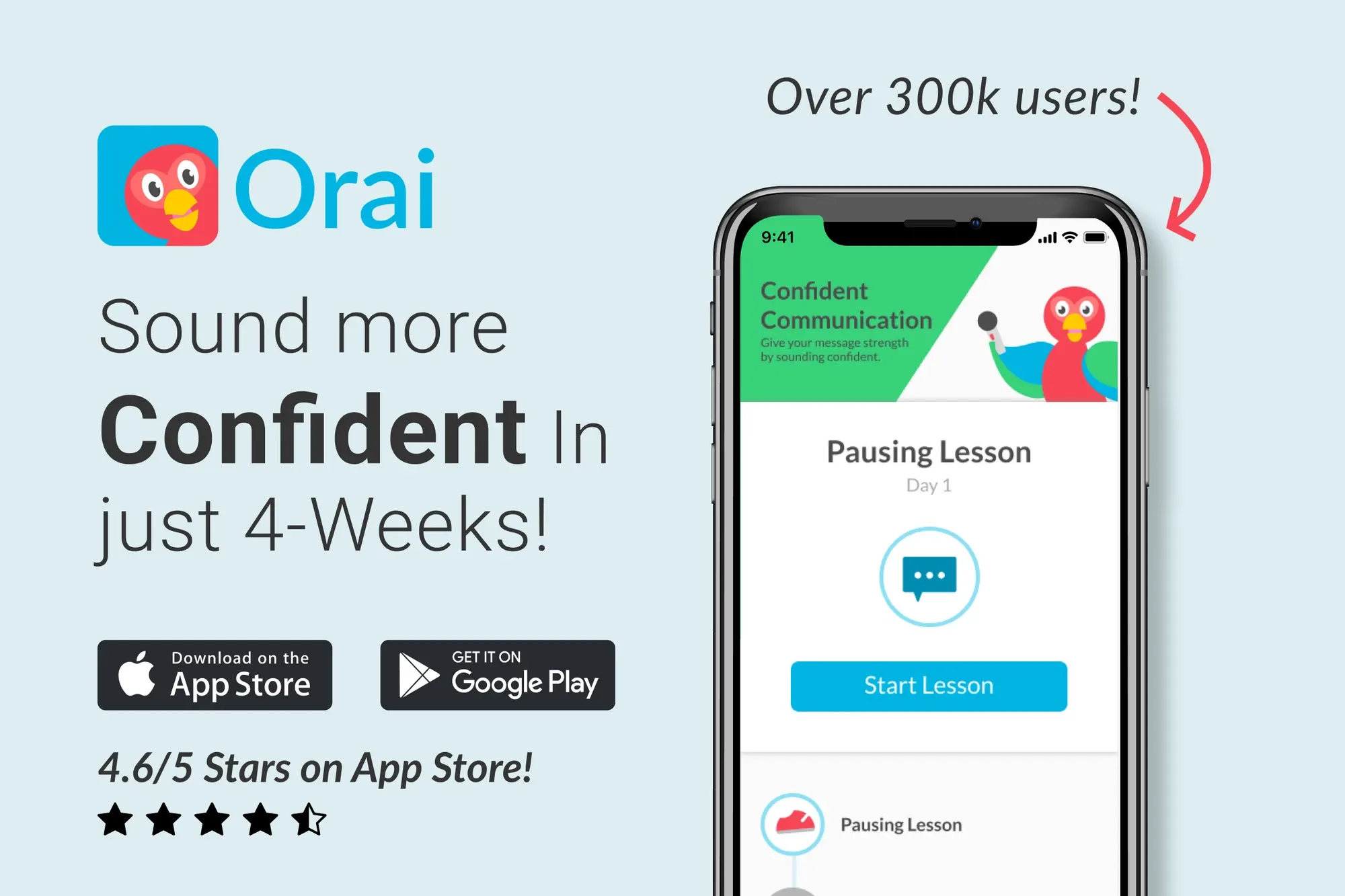
1. Orai – Your AI-Powered Speech Coach
Why Orai Stands Out
Orai is one of the most popular apps for public speaking, known for using artificial intelligence to provide real-time feedback. It listens to your speech and highlights areas for improvement.
Key Features
- AI-driven analysis of pacing, clarity, and tone.
- Personalized exercises to reduce filler words like “um” or “uh.”
- Voice recordings to track progress over time.
- Modules for business presentations, job interviews, and pitches.
Why Users Love It
Orai feels like having a personal coach in your pocket. Instead of generic advice, it tailors feedback to your unique speaking style, making it incredibly effective for learners at all levels.
2. Ummo – Track Your “Ums” and Improve Fluency
Why Ummo Helps Nervous Speakers
Filler words often weaken otherwise strong presentations. Ummo focuses specifically on reducing “uh,” “um,” “like,” and other distracting verbal tics.
Key Features
- Real-time tracking of filler words.
- Analytics on pace, volume, and word choice.
- Exportable speech reports for progress tracking.
- Flexible use for practice speeches or everyday conversations.
Why Users Love It
The app gives clear, quantifiable results. Seeing the number of filler words drop over time is motivating, and professionals preparing for interviews or TED-style talks especially benefit from its precision.
3. VirtualSpeech – Practice with a Virtual Audience
Why VirtualSpeech Is Unique
One of the biggest challenges in public speaking is getting used to facing an audience. VirtualSpeech solves this by combining training modules with virtual reality environments.
Key Features
- VR simulations of conference halls, meeting rooms, and classrooms.
- Audience distractions like background noise or movement.
- Courses on storytelling, persuasion, and presentation design.
- AI feedback on eye contact, pace, and confidence.
Why Users Love It
VirtualSpeech creates realistic practice environments. For people who want to prepare for high-pressure scenarios, this immersive approach makes practice far more effective than rehearsing in front of a mirror.
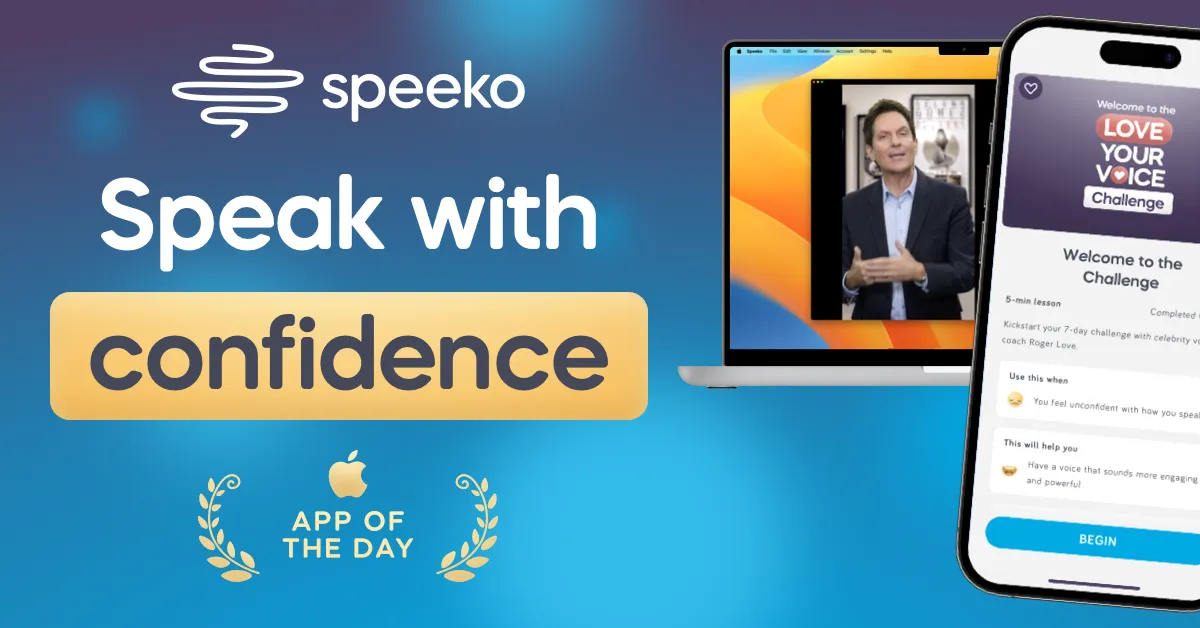
4. Speeko – Smart Feedback for Everyday Communication
Why Speeko Works for Everyone
Speeko combines simplicity with intelligent coaching. It’s designed for anyone who wants to improve communication, from giving a toast at a wedding to leading a corporate seminar.
Key Features
- Instant AI feedback on clarity, tone, and pacing.
- Guided lessons to improve confidence.
- Personalized speaking goals.
- Daily exercises for steady progress.
Why Users Love It
Speeko doesn’t overwhelm beginners. Its friendly, encouraging approach makes it ideal for those who feel intimidated by the idea of practicing public speaking.
5. PromptSmart Pro – The Smart Teleprompter
Why PromptSmart Pro Is Perfect for Prepared Speeches
Sometimes speakers rely on notes or scripts. PromptSmart Pro is a teleprompter app with a twist: it listens to your voice and scrolls text automatically.
Key Features
- Voice-recognition scrolling (Smart Scroll).
- Adjustable text size, fonts, and colors.
- Works offline for conferences or travel.
- Video recording integration for practice sessions.
Why Users Love It
Instead of rigid teleprompter scrolling, the app adjusts to your pace. This makes it a favorite among YouTubers, presenters, and anyone who needs a smooth delivery without memorizing every word.
6. Speechify – Improve Reading and Delivery Skills
Why Speechify Is More Than Text-to-Speech
While often seen as a text-to-speech app, Speechify also supports public speaking practice by helping users hear and analyze phrasing, intonation, and pacing.
Key Features
- Converts written speeches into natural audio.
- Customizable voice speeds and tones.
- Helps refine flow and delivery by listening back.
- Great for practicing storytelling rhythm.
Why Users Love It
By hearing your script read aloud, you can spot awkward phrasing and refine your writing before ever stepping on stage.
7. Toastmasters International App – Learn from Experts
Why Toastmasters Remains a Classic
Toastmasters International is the world’s most recognized public speaking organization. Their app extends this community-driven learning experience to mobile devices.
Key Features
- Access to Toastmasters educational materials.
- Tools to track progress in structured programs.
- Networking with global clubs and members.
- Goal-setting for long-term development.
Why Users Love It
Toastmasters’ reputation speaks for itself. The app combines structured learning with a supportive community, making it invaluable for anyone serious about developing lifelong speaking skills.
Choosing the Right Public Speaking App
Not all apps serve the same purpose. Consider these factors:
- Beginners: Orai or Speeko for easy, AI-driven feedback.
- Fluency Improvement: Ummo for reducing filler words.
- Professional Presentations: VirtualSpeech for realistic simulations.
- Prepared Scripts: PromptSmart Pro for teleprompter use.
- Community Learners: Toastmasters for group-based growth.
How Apps Transform Public Speaking Training
Public speaking used to require in-person coaching or endless rehearsals in front of friends. Apps now make practice affordable, private, and accessible. Features like AI analysis, VR simulations, and smart teleprompters give modern speakers tools that were unimaginable a decade ago.
The biggest advantage is personalized growth. Instead of generic tips, apps provide data-driven feedback that highlights your specific weak spots—whether it’s pace, tone, or filler words.
The Future of Public Speaking Apps
As artificial intelligence evolves, expect apps to offer:
- Emotional tone analysis to gauge audience reactions.
- AR overlays that simulate audience engagement.
- Real-time coaching during live speeches via smart earbuds.
These innovations will make training even more immersive, giving speakers the confidence to succeed in any setting.
Conclusion
Public speaking no longer has to be a terrifying experience. With apps like Orai, Ummo, VirtualSpeech, Speeko, PromptSmart Pro, Speechify, and Toastmasters, anyone can practice effectively, gain confidence, and refine their delivery.
Whether you’re preparing for a job interview, pitching to investors, or speaking at a wedding, the right app ensures you’ll sound polished and professional.
In 2025, mastering public speaking is no longer just about practice—it’s about practicing smart with technology.