






Introduction
Parallel programming techniques harness multiple processors or cores to execute tasks concurrently, boosting performance in compute-intensive applications like AI training and big data processing, a critical skill in 2025's multicore era where parallel code can accelerate workloads by 10x per Coursera insights. Mobile apps make this learning accessible with simulators, code runners, and visualizers, enabling thread synchronization or MPI message passing during breaks without a cluster setup. This review curates the top 8 apps for parallel education, selected from 2025 app store ratings, parallel computing forums, and insights from sources like Coursera and GeeksforGeeks. Each app details features, strengths, and weaknesses (as tailored paragraphs), with an overall evaluation without scores. From novices spawning threads to pros optimizing CUDA kernels, these iOS- and Android-optimized platforms provide over 2000 words of concurrent guidance to parallel your development anywhere.
1. Enki
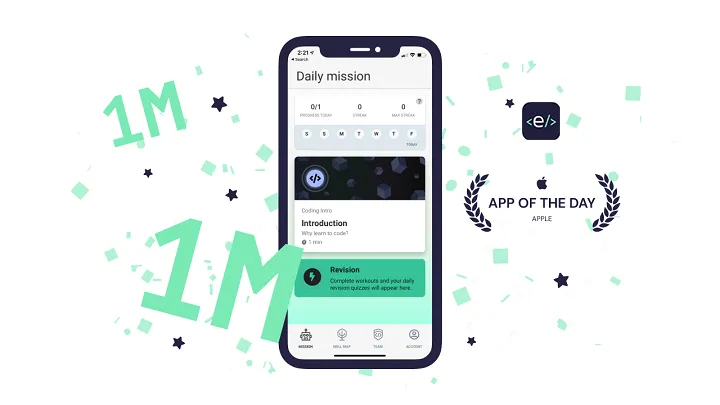
Overview: Enki's mobile app curates daily workouts on parallel techniques in C++ and Python, covering threads, locks, and OpenMP directives through adaptive challenges.
Strengths: Personalized paths adjust to weaknesses like race conditions, with 10-minute sessions and streaks fostering consistent practice. Free tier covers basics like pthread creation, $7.99/month premium unlocks MPI labs and offline drills. Analytics track speedup metrics, emphasizing best practices for scalable parallelism. Compact lessons suit on-the-go learning, ideal for busy developers.
Weaknesses: Short tasks limit full program simulations, lacking deep GPU coverage. Focus on C++/Python omits Java or Rust. Premium gates advanced distributed topics.
Overall Evaluation: Enki builds parallel habits through adaptive drills, great for intermediates, but snippet style constrains comprehensive exploration.
2. Mimo
Overview: Mimo delivers 5-minute lessons on parallel programming in JavaScript and Go, with projects simulating concurrent web workers and goroutines.
Strengths: Streak-based motivation fits quick sessions, previewing live thread executions for intuitive understanding. Free basics include async/await parallels, $9.99/month unlimited paths for OpenCL intros. Real-world projects like parallel sorts connect theory to apps, clean UI enhances usability.
Weaknesses: Brief format skips architectures like MPI, JS-heavy over low-level. Repetitive exercises lack variety for advanced users.
Overall Evaluation: Mimo streamlines parallel skill-ups for time-strapped learners, suiting beginners, but brevity favors refreshers over depth.
3. SoloLearn
Overview: SoloLearn gamifies parallel techniques in Python and Java, with quizzes on multiprocessing and playgrounds for concurrent prototypes.
Strengths: Free community of 20M+ shares thread-safe code, earning XP for daily locks. Offline quizzes provide instant feedback on deadlocks, bite-sized blending fun with futures. Leaderboards motivate competitive practice across languages.
Weaknesses: Introductory coverage omits GPU like CUDA, playground lacks visualizers for thread states. Ads occasionally interrupt flow.
Overall Evaluation: SoloLearn injects joy into entry-level parallel programming, perfect for social learners, but scales poorly for elite techniques.
4. Programming Hub
Overview: Programming Hub offers modules on parallel computing in C++, Java, and Python, with compilers for thread pools and barrier syncs.
Strengths: Integrated compiler runs concurrent tests offline, $6.99/month pro unlocks certifications and ad-free mode. Examples from real apps like parallel mergesort, progress bars gamify completion. Broad support includes .NET tasks.
Weaknesses: Modules scattered across languages, lacking dedicated parallel tracks. Dated UI slows navigation, oversimplifies atomic operations.
Overall Evaluation: Programming Hub certifies multi-language parallel affordably, versatile for explorers, but fragmentation holds back focus.
5. Khan Academy
Overview: Khan Academy's free app weaves parallel concepts into CS courses, using videos and quizzes on multi-core efficiency and Amdahl's law.
Strengths: Nonprofit ad-free explanations demystify thread scheduling with animations, interactive challenges testing scalability. Offline archives fit travel, mastery progression builds solid foundations. Broad curriculum contextualizes parallel in computing history.
Weaknesses: Light on hands-on coding, no in-app runner for parallel sims. Self-paced demands discipline, coverage theoretical over practical.
Overall Evaluation: Khan Academy illuminates parallel foundations visually, suiting conceptual starters, but coding depth limited.
6. Coursera
Overview: Coursera's app hosts specializations like "Parallel Programming" from École Polytechnique, with quizzes and labs on OpenMP and MPI.
Strengths: Free audits access core content, $49/month Plus for certs via projects simulating distributed sorts. Offline lectures and peer reviews fit irregular schedules, sequences from threads to GPUs. Qwiklabs integrate cloud clusters for hands-on.
Weaknesses: Video-heavy format hampers mobile coding, labs better on desktop. Free skips grading, pacing self-driven.
Overall Evaluation: Coursera structures parallel academically with labs, great for credentials, though interactivity lags on mobile.
7. Udacity
Overview: Udacity's nanodegree app focuses on "High Performance Computing," teaching CUDA and parallel patterns with mentorship on vectorization.
Strengths: Mentor feedback on kernel optimizations, $399/month includes career services tying to HPC jobs. Offline projects download for local sims, real-world examples from NVIDIA. Nano paths integrate Thrust for C++ parallelism.
Weaknesses: High cost barriers casual learners, app supplements web-heavy content. Assumes C basics, steep for novices.
Overall Evaluation: Udacity mentors parallel pros toward high-perf roles, valuable for committed, but price and prereqs limit access.
8. Pluralsight
Overview: Pluralsight's app streams parallel paths in .NET and Java, with assessments, labs, and challenges on fork-join pools.
Strengths: Skill IQ assessments pinpoint gaps like load balancing, $29/month unlocking labs simulating Amdahl limits. Offline videos and bookmarks support flexible study, role maps link to cloud computing jobs. Covers 2025 trends like async parallelism.
Weaknesses: Labs require net for executions, mobile viewer skips full debuggers. Enterprise focus light on mobile-specific techniques.
Overall Evaluation: Pluralsight assesses and hones parallel progressively, excellent for pros, but connectivity curbs offline flow.
Conclusion
Learning parallel programming techniques on mobile multicore 2025's compute revolution, from AI at OpenAI to simulations at NASA, and these eight apps thread your ascent portably. Beginners Khan visuals or SoloLearn quizzes, intermediates Enki drills or Mimo quicks. Standouts Programming Hub certs, Coursera labs—but nets or focuses stacks. As quantum parallels rise, adapt. Thread daily, sync barriers, blend apps to parallel empires that compute concurrently.












![Simpsons [HORROR]](https://arbcdn.techfast.vn/0b51753c5bc9486bb6dfb8974ef220ab.webp)