






Living with diabetes requires daily attention, constant monitoring, and lifestyle adjustments. From tracking blood sugar levels to managing medications and staying active, diabetic care can feel overwhelming without the right tools. Fortunately, modern technology offers a wide range of diabetes management apps that make life easier for patients and caregivers alike.
These apps not only help monitor blood glucose but also provide insights into diet, physical activity, and medication schedules. Some even connect with wearable devices like smart glucose meters, insulin pumps, and fitness trackers to deliver real-time updates. In this article, we’ll explore the top apps for diabetic care in 2025, covering their unique features, benefits, and why they are essential for managing diabetes effectively.
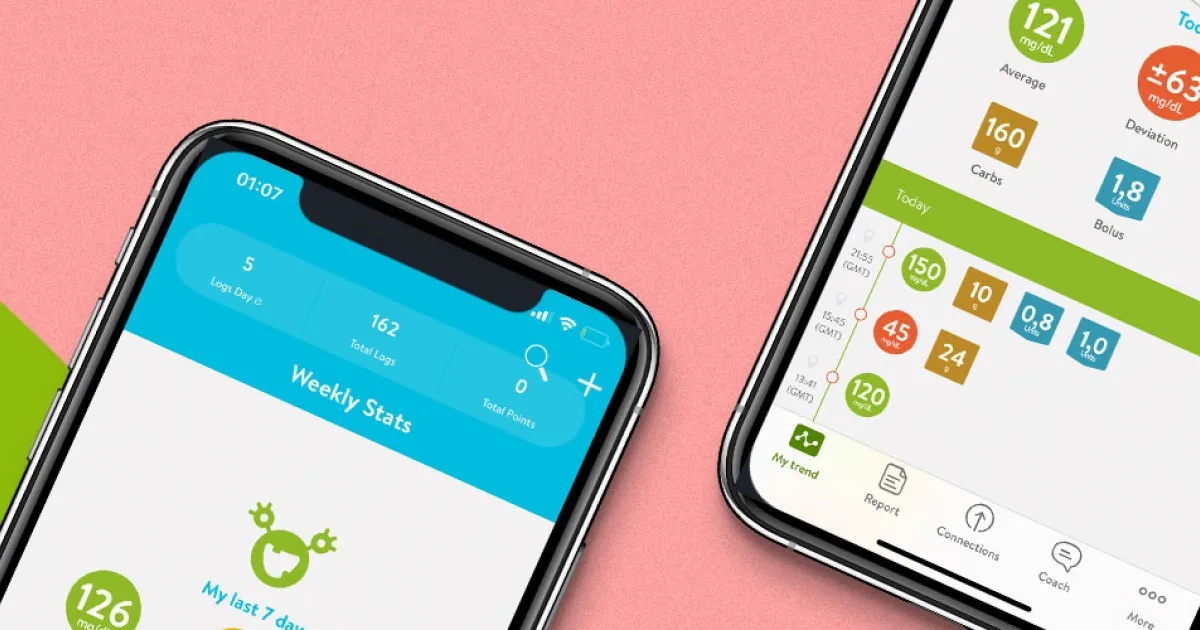
1. mySugr – Diabetes Logbook Made Simple
mySugr is one of the most popular apps in the diabetes community, offering a friendly and easy-to-use interface that makes blood sugar tracking less stressful.
Key Features
- Logs blood glucose, meals, and insulin doses with minimal input.
- Provides estimated HbA1c values for long-term tracking.
- Personalized reports that can be shared with doctors.
- Syncs with popular glucose meters and wearable devices.
Why It Stands Out
mySugr turns tracking into a gamified experience, motivating users to stay consistent. With reminders and data visualization, patients can easily see how their habits impact glucose levels.
2. BlueLoop – Designed for Families and Kids
Managing diabetes in children requires extra care, and BlueLoop focuses specifically on young patients and their families.
Key Features
- Tracks blood sugar, carbs, insulin, and exercise.
- Cloud-based sharing so caregivers, teachers, and doctors can monitor in real time.
- Emergency information accessible at a glance.
- Designed with a kid-friendly interface.
Why It Stands Out
BlueLoop bridges the communication gap between parents, schools, and healthcare providers, ensuring a child’s diabetes management is never overlooked.
3. Glucose Buddy – The All-in-One Diabetes Tracker
Glucose Buddy has been a trusted diabetes management app for years and continues to evolve with new features.
Key Features
- Logs meals, glucose readings, medications, and physical activity.
- Supports barcode scanning for food tracking.
- Provides reminders for glucose checks and medication.
- Offers weekly and monthly reports for pattern recognition.
Why It Stands Out
Glucose Buddy’s comprehensive logging system helps users identify correlations between diet, activity, and blood sugar fluctuations, making it easier to adjust lifestyle habits.
4. One Drop – Diabetes Coaching & Insights
One Drop is more than a tracking app; it also provides personalized coaching from certified diabetes educators.
Key Features
- AI-powered predictions of future blood sugar levels.
- Integration with Apple Health, Fitbit, and other devices.
- Personalized plans for diet, exercise, and medication.
- Real-time coaching via chat with health experts.
Why It Stands Out
The human coaching aspect sets One Drop apart. Patients not only log data but also receive expert guidance, helping them stay motivated and informed.

5. Glooko – Comprehensive Diabetes Data Hub
Glooko is favored by healthcare providers because it integrates data from multiple devices, offering a complete picture of a patient’s diabetes management.
Key Features
- Syncs with over 100 diabetes devices and wearables.
- Tracks insulin, glucose, diet, weight, and activity.
- Provides detailed reports for clinical visits.
- HIPAA-compliant for secure data sharing.
Why It Stands Out
Glooko’s compatibility makes it ideal for patients using multiple tools like continuous glucose monitors (CGMs) and insulin pumps. It empowers doctors with accurate, consolidated data.
6. Diabetes:M – Advanced Diabetes Management
For patients who love detailed analysis, Diabetes:M provides a professional-level tracking system.
Key Features
- Bolus calculator for insulin dosing.
- Advanced statistics and charts for blood glucose patterns.
- Data export for doctor consultations.
- Supports both Type 1 and Type 2 diabetes management.
Why It Stands Out
Diabetes:M is highly customizable and appeals to users who want deep insights into their condition rather than just basic tracking.

7. Fooducate – Nutrition Guide for Diabetics
While not exclusively a diabetes app, Fooducate is an excellent tool for managing diet, which plays a central role in diabetic care.
Key Features
- Barcode scanning for food nutritional information.
- Personalized diet suggestions based on health conditions.
- Tracks calories, macros, and hidden sugars.
- Provides alternatives for healthier food choices.
Why It Stands Out
Fooducate educates users on how food choices affect blood sugar and overall health, making it a powerful companion app for diabetes management.
Benefits of Using Diabetes Apps
Using these apps provides several key benefits:
- Improved Monitoring: Real-time glucose tracking helps prevent sudden spikes or drops.
- Better Communication: Easy data sharing with doctors improves treatment decisions.
- Motivation & Accountability: Gamified features and coaching keep users consistent.
- Dietary Awareness: Nutrition apps ensure better food decisions.
- Stress Reduction: Automation and reminders reduce the burden of constant tracking.
How to Choose the Right Diabetes App
With so many apps available, here’s what to consider when selecting one:
- Compatibility with devices (CGMs, insulin pumps, fitness trackers).
- Ease of use for daily logging.
- Data sharing features for doctors and caregivers.
- Security & privacy compliance for sensitive medical data.
- Personalization options like meal planning, reminders, and coaching.
The Future of Diabetic Care Apps
Looking ahead, diabetic care apps will integrate AI and machine learning even further, offering predictive analytics for glucose spikes, personalized treatment recommendations, and deeper integration with wearable devices. Future apps may even incorporate non-invasive glucose monitoring through sensors and smartwatches, making diabetes management less intrusive and more convenient.
Conclusion
Diabetes management no longer has to be overwhelming. With apps like mySugr, BlueLoop, Glucose Buddy, One Drop, Glooko, Diabetes:M, and Fooducate, patients can track, manage, and optimize their health with ease. These apps not only simplify daily routines but also empower users with knowledge and insights, creating a proactive approach to diabetic care.
As we move into 2025, the combination of technology, AI, and human coaching ensures that diabetes apps will continue to improve quality of life for millions around the world. Whether you’re a patient, caregiver, or healthcare professional, these tools are essential for smarter and more effective diabetes management.