







Second-hand shopping has exploded in popularity in recent years, fueled by rising awareness of sustainability, the thrill of bargain hunting, and the convenience of digital marketplaces. Instead of scouring flea markets and thrift stores in person, shoppers can now explore millions of pre-loved items through their phones. Whether you’re after vintage fashion, refurbished electronics, or furniture with character, there’s an app designed to connect you with sellers.
This guide highlights the top apps for second-hand shopping in 2025, showcasing the features that make each platform unique. From global giants like eBay to niche resale communities, these apps offer smarter, greener, and more affordable ways to shop.
1. eBay – The Pioneer of Online Resale
eBay remains the gold standard for online second-hand shopping. Launched in 1995, it has grown into one of the world’s largest marketplaces, offering everything from vintage clothing and collectibles to refurbished electronics.
Why eBay Stands Out:
- Auction-style listings for bidding excitement.
- Global reach with millions of sellers.
- Buyer protection policies that ensure safe transactions.
- Advanced filters to find exactly what you need.
For thrifters who want both variety and reliability, eBay continues to be a top choice.
2. Poshmark – Fashion-Focused Resale
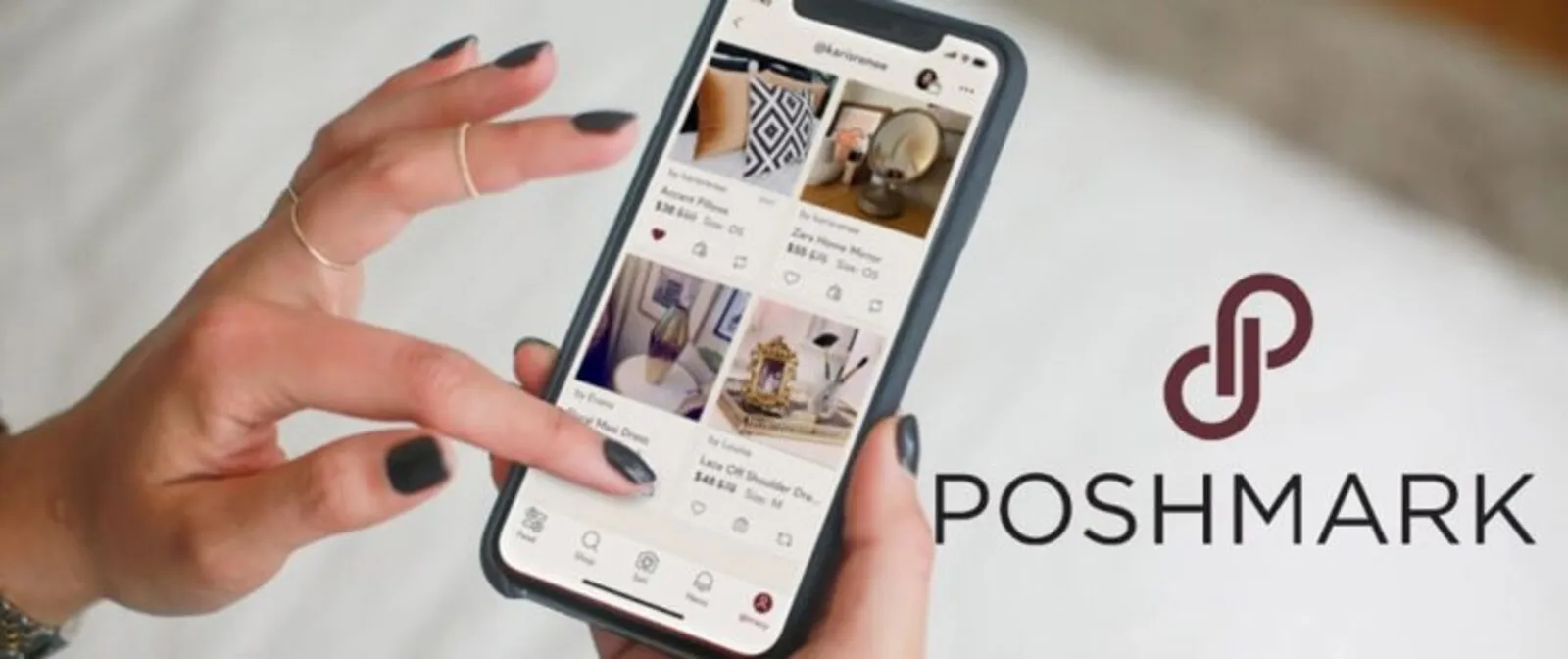
Poshmark specializes in second-hand clothing and accessories, making it a go-to for fashion enthusiasts. The app feels like a blend of social media and shopping, where users can follow sellers, share listings, and even host “Posh Parties.”
Key Features:
- Wide range of brands, from luxury labels to budget finds.
- Social features like likes, comments, and follows.
- Seller tools that make listing items easy.
- Secure payment and shipping process.
Poshmark’s vibrant community makes second-hand shopping feel fun and interactive.
3. ThredUp – Online Thrift Store
ThredUp brings the thrift store experience online, offering a massive selection of second-hand clothes at discounted prices. Sellers can send in their clothes in a “Clean Out Kit,” and ThredUp takes care of listing, pricing, and selling.
Why ThredUp is Popular:
- Huge inventory across men’s, women’s, and kids’ fashion.
- Easy selling process with hassle-free shipping.
- Discounts up to 90% off retail prices.
- Focus on sustainability and circular fashion.
It’s perfect for shoppers who love thrift stores but prefer browsing digitally.
4. Depop – Where Style Meets Creativity
Depop is especially popular among Gen Z and younger millennials. It combines second-hand shopping with social media vibes, allowing users to curate unique styles and sell fashion-forward pieces.
What Makes Depop Unique:
- A hub for vintage fashion, streetwear, and Y2K styles.
- Direct messaging between buyers and sellers.
- Personalized feeds based on browsing behavior.
- Popular with influencers and independent creators.
Depop isn’t just about finding clothes; it’s about discovering a community-driven fashion culture.
5. Facebook Marketplace – Community Shopping Made Easy
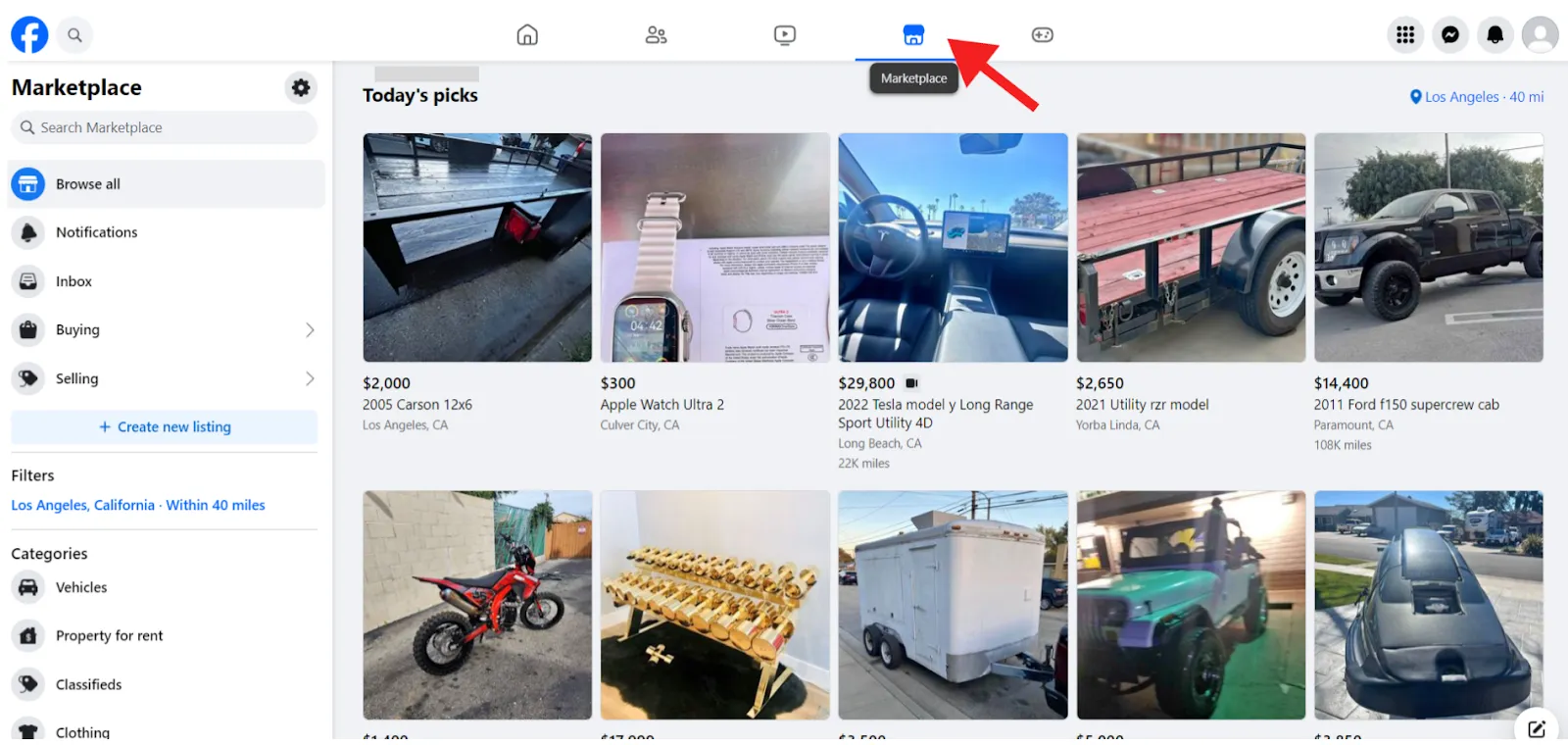
Facebook Marketplace leverages Facebook’s massive user base to connect buyers and sellers within their local areas. From used furniture and appliances to cars and clothing, it’s a versatile platform.
Key Advantages:
- Localized shopping with nearby pickup options.
- Integrated with Messenger for quick communication.
- Wide range of categories beyond fashion.
- Free to use, with no seller fees.
It’s especially useful for large items that would be expensive to ship, like furniture or bicycles.
6. Vinted – Simple and Affordable Resale
Vinted focuses on second-hand clothing and accessories, similar to Poshmark, but with a simpler interface and lower selling fees. It’s extremely popular in Europe and growing worldwide.
Features That Stand Out:
- No selling fees—sellers keep 100% of their earnings.
- Easy listing process with clear categories.
- Buyer protection for safe transactions.
- Strong focus on sustainability in fashion.
Vinted makes it easy for budget-conscious shoppers to buy and sell with confidence.
7. OfferUp – Local Marketplace for Everyday Items
OfferUp has carved out a niche as a mobile-first marketplace for local second-hand shopping. It covers everything from electronics to home goods, and its interface is simple and intuitive.
Highlights:
- Local deals with in-person pickup.
- Ratings and reviews for trustworthiness.
- In-app chat to negotiate prices.
- Option to ship items nationwide.
For quick sales and convenient purchases, OfferUp is a trusted go-to app.
8. Mercari – The “Anything Goes” Marketplace
Mercari is a versatile resale app where users can buy and sell just about anything. It strikes a balance between local marketplaces and nationwide platforms, offering shipping options alongside local transactions.
Why Mercari Works:
- Huge range of categories, from fashion to electronics.
- Simple, mobile-friendly listing system.
- Flat 10% seller fee, transparent pricing.
- Secure payment system for both buyers and sellers.
Mercari is often compared to eBay but designed with a mobile-first experience in mind.
9. Letgo (Now Part of OfferUp)
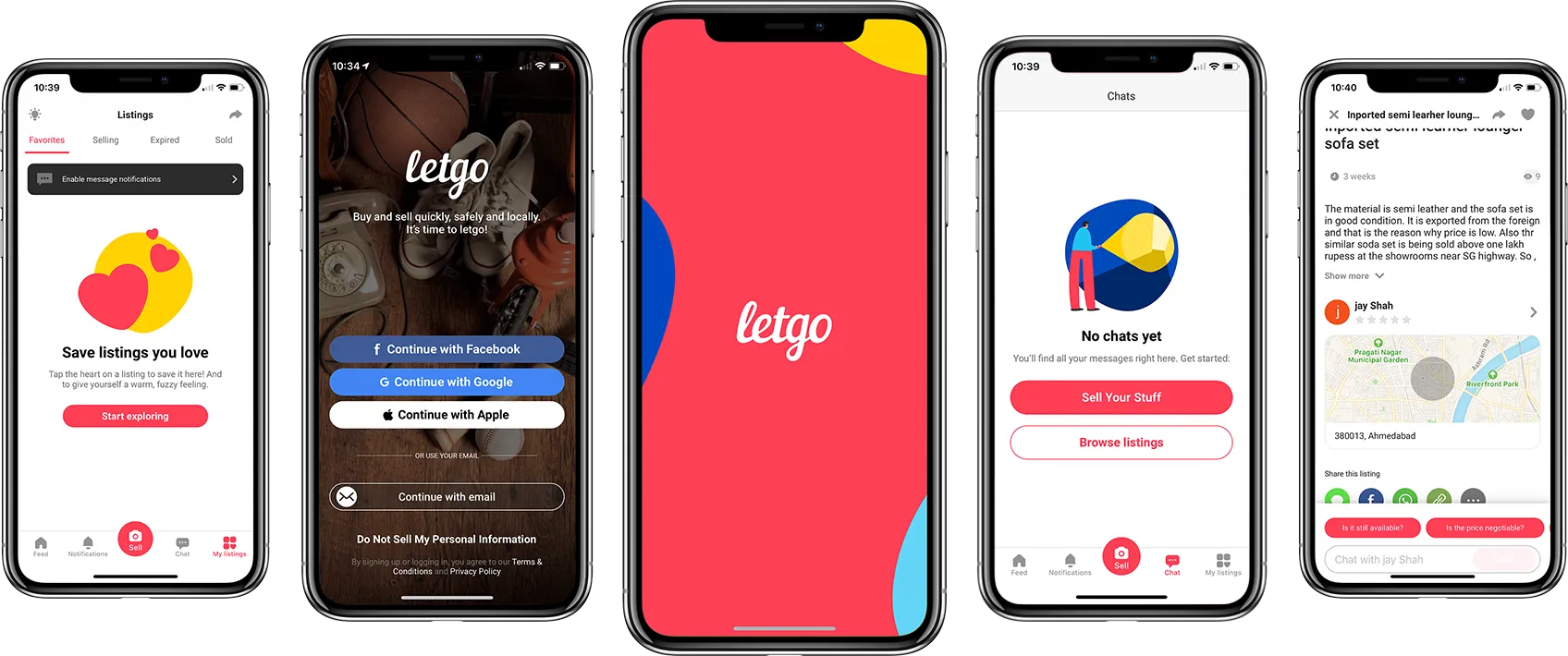
Letgo was once a standalone app but has merged with OfferUp in the U.S. Still, it remains an international name in second-hand shopping. Like OfferUp, it emphasizes local, in-person exchanges.
Why People Use It:
- Quick listing process with photos and descriptions.
- Local deals to save on shipping costs.
- Great for large or everyday household items.
Letgo continues to be recognized globally as a trusted resale platform.
10. Chairish – Luxury Vintage Furniture and Decor
For those seeking high-end furniture and home decor, Chairish is the perfect app. It caters to buyers looking for unique, curated pieces that bring character to a home.
Highlights:
- Focus on luxury and designer furniture.
- Professionally curated listings.
- Nationwide shipping available.
- Marketplace for both vintage and contemporary styles.
Chairish is a top choice for interior design lovers who appreciate second-hand treasures.
The Rise of Second-Hand Shopping Apps
Second-hand shopping apps are booming thanks to three main trends:
- Sustainability: Shoppers are becoming more eco-conscious and want to reduce waste.
- Affordability: Pre-owned goods often come at a fraction of retail prices.
- Convenience: Mobile apps allow browsing and buying anytime, anywhere.
These apps are not only saving consumers money but also reducing the environmental footprint of fast fashion and overproduction.
How to Choose the Right Second-Hand Shopping App
When deciding which app to use, consider:
- Product Categories: Some apps specialize in fashion, others in general goods.
- Fees and Costs: Seller fees vary widely; apps like Vinted charge no fees.
- Local vs. Nationwide: If you prefer local pickups, try OfferUp or Facebook Marketplace. For nationwide shopping, eBay and ThredUp are excellent.
- Community and Style: Apps like Depop and Poshmark offer more social, style-driven experiences.
Safety Tips for Second-Hand Shopping Apps
- Always use in-app payment systems for protection.
- For local exchanges, meet in public places.
- Check seller ratings and reviews before making a purchase.
- Be cautious with deals that seem too good to be true.
Conclusion
In 2025, second-hand shopping apps are more popular and powerful than ever. From mainstream platforms like eBay and Facebook Marketplace to niche players like Chairish and Depop, there’s an app for every type of shopper. These apps save money, reduce waste, and make finding unique treasures easier than ever before.
Whether you’re decluttering your home or hunting for your next vintage fashion find, these top apps are your gateway to a smarter, more sustainable shopping experience.