



How this list was chosen
To highlight the most famous esports games in 2025, I considered three main pillars:
- Audience and viewership (peak and average viewers, hours watched).
- Ecosystem health (publisher support, league structure, global tournaments).
- Cultural impact (legacy, iconic players, mainstream popularity).
These games dominate competitive gaming through massive tournaments, prize pools, and millions of dedicated fans worldwide.
1) League of Legends
Overview:
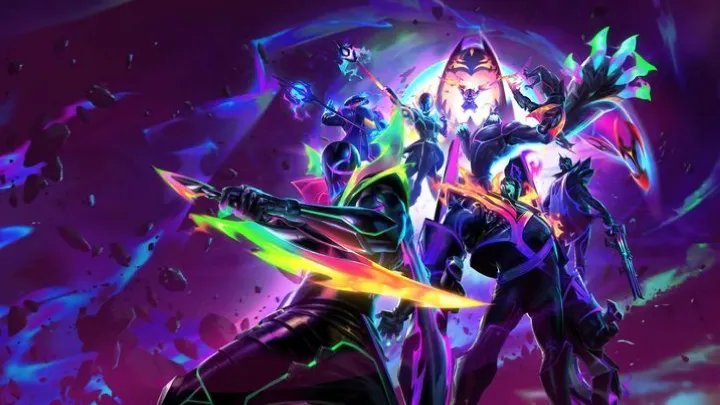
League of Legends is a 5v5 multiplayer online battle arena (MOBA) where teams fight on Summoner’s Rift to destroy the enemy Nexus. It combines team strategy, individual skill, and evolving metas.
Gameplay analysis:
- Draft phase is critical, with counterpicks and flex picks shaping the game before it even begins.
- Macro play, such as lane swaps and objective control, determines long-term advantages.
- Teamfights require coordination of crowd control, summoner spells, and abilities.
Evaluation:
League of Legends continues to dominate with its annual World Championship breaking records. Regional leagues in Korea, China, Europe, and North America sustain year-round excitement. It remains the most influential esport globally.
2) Mobile Legends: Bang Bang
Overview:
A mobile MOBA optimized for fast matches and intuitive touch controls. It’s particularly dominant in Southeast Asia, where stadiums fill for live events.
Gameplay analysis:
- Shorter match times increase pace and aggression.
- Heroes with explosive potential create dramatic momentum swings.
- Roaming and jungle control define team tempo.
Evaluation:
Mobile Legends: Bang Bang has become a global giant, often surpassing PC esports in peak viewership. Its leagues in Indonesia and the Philippines break records, proving mobile esports are fully mainstream in 2025.

3) Counter-Strike 2
Overview:
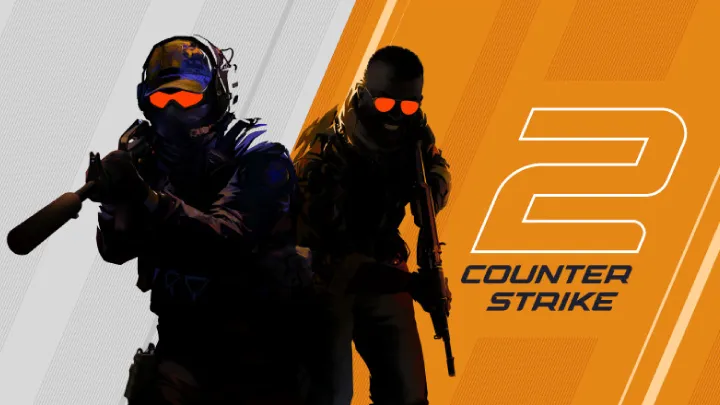
The legendary tactical shooter evolved into Counter-Strike 2 with a new engine but classic mechanics. It remains the gold standard for FPS competition.
Gameplay analysis:
- Economy management drives tension between rounds.
- Smokes, flashes, and grenades dictate map control and site executes.
- Aim discipline, trading, and positioning form the core skill set.
Evaluation:
Counter-Strike maintains a strong global circuit, with Majors still the most prestigious FPS tournaments. With prize pools reaching millions and decades of history, CS2 remains timeless.
4) Valorant
Overview:
Riot Games’ hero-based tactical shooter blends gunplay with unique agent abilities, making every match a mix of strategy and raw mechanics.
Gameplay analysis:
- Agents bring unique tools like smokes, reveals, and teleports.
- Executing sites involves creative utility combinations.
- Map variety encourages innovative strategies and setups.
Evaluation:
The Valorant Champions Tour (VCT) is Riot’s global competitive structure, drawing huge crowds at Masters and Champions events. Valorant rivals Counter-Strike for dominance in FPS esports, with a younger, rapidly growing audience.
5) Dota 2
Overview:
Known for complexity and depth, Dota 2 is another MOBA where creativity in drafting and execution sets it apart. No two games are ever the same.
Gameplay analysis:
- High skill ceiling with buybacks, saves, and clutch re-engages.
- Farm distribution, vision control, and map movement define the mid-game.
- Drafting strategies shift rapidly with new patches.
Evaluation:
Although its competitive scene has evolved since the end of the official Dota Pro Circuit, The International remains one of the most prestigious esports events. Dota 2’s loyal fanbase keeps it alive as a top competitive title.
6) Fortnite
Overview:
Epic Games’ battle royale with both building and zero-build modes. Known for seasonal updates and crossovers with pop culture.
Gameplay analysis:
- Endgame circles are chaotic, testing survival instincts and resource management.
- Teams need strong synergy to rotate and survive.
- Constant meta changes challenge adaptability.
Evaluation:
Fortnite’s competitive ecosystem is centered around the Fortnite Champion Series (FNCS). Even in 2025, Pro-Am events and global finals draw hundreds of thousands of viewers, proving Fortnite is here to stay.
7) PUBG Mobile
Overview:
A battle royale tailored for mobile, PUBG Mobile is hugely popular in Asia and the Middle East. Its professional scene is massive, rivaling PC esports.
Gameplay analysis:
- Vehicle rotations and circle reading are key to survival.
- Utility like grenades and smokes decide late-game battles.
- Consistency in unpredictable matches separates elite teams.
Evaluation:
In 2025, PUBG Mobile remains a leading mobile esport, with international tournaments setting new viewership records. It thrives on unpredictability and tactical depth.
8) Rocket League
Overview:
A unique esport where rocket-powered cars play soccer. Matches are fast, fun to watch, and showcase mechanical mastery.
Gameplay analysis:
- Aerial dribbles, flip resets, and freestyle shots highlight skill.
- Rotations and positioning are crucial for teamwork.
- LAN tournaments often produce surprising results.
Evaluation:
Rocket League remains popular due to its accessibility. Anyone can understand its rules instantly, but its skill ceiling ensures long-term competitive depth.
9) Rainbow Six Siege
Overview:
A tactical shooter with destructible environments, unique operators, and slow, strategic gameplay.
Gameplay analysis:
- Attackers rely on drones and intel, defenders set up traps and reinforcements.
- Vertical play and destructible walls create endless variety.
- Time pressure creates constant high-stakes clutch moments.
Evaluation:
Rainbow Six Siege maintains a loyal competitive scene with Majors and the Six Invitational still standing out as premier events. Its unique tactical depth ensures its continued relevance.
10) Call of Duty
Overview:
Call of Duty esports exists across three formats: the Call of Duty League (console/PC multiplayer), Warzone tournaments, and Call of Duty Mobile.
Gameplay analysis:
- CDL is fast-paced with modes like Hardpoint and Search & Destroy.
- Warzone requires rotations, zone control, and regains.
- CoD Mobile has grown rapidly with global tournaments.
Evaluation:
Call of Duty is still a major franchise in esports. Its annual releases bring new excitement, while Warzone and CoD Mobile reach large casual and competitive communities worldwide.
11) Arena of Valor / Honor of Kings
Overview:
Tencent’s mobile MOBAs dominate the Chinese and Southeast Asian markets. Arena of Valor and Honor of Kings offer fast, action-packed matches.
Gameplay analysis:
- Constant teamfights due to shorter respawns.
- Objective control shapes power spikes.
- Skilled mechanical play from assassins and marksmen decides games quickly.
Evaluation:
As mobile esports grow globally, these titles gain more recognition at international events. Their presence in mega-tournaments cements their future.
12) Apex Legends
Overview:
A hero-based battle royale with unique abilities, fast movement, and team-oriented gameplay.
Gameplay analysis:
- Teams must read zone pulls and rotate early.
- IGL leadership determines strategy—play edge or anchor zones.
- Endgame fights are defined by bubble timings and ultimate combos.
Evaluation:
The Apex Legends Global Series (ALGS) continues to showcase international competition. While not as large as other BR titles, its tactical depth appeals to fans of team strategy and chaos.
Esports Trends in 2025
- Mobile Esports Domination: Mobile Legends and PUBG Mobile are often topping viewership charts, proving mobile is no longer secondary.
- Mega-Events: Festivals like the Esports World Cup bundle many titles together, offering record prize pools.
- Shooter Rivalries: Counter-Strike 2 remains classic, while Valorant rises as the modern alternative.
- Live-Service Games: Fortnite and Apex continue to evolve with constant content updates that keep competition fresh.
Recommendations by Fan Type
- Love deep strategy? Watch League of Legends or Dota 2.
- Crave shooter fundamentals? Counter-Strike 2.
- Prefer flashy, modern FPS? Valorant.
- Want the biggest crowds? Mobile Legends.
- Enjoy battle royales? Fortnite or PUBG Mobile.
- Want instant fun? Rocket League.
- Love tactical planning? Rainbow Six Siege.
- Follow CoD for cross-platform star power.
- Watch AoV or HoK for rising mobile MOBA scenes.
Conclusion
Esports in 2025 is more diverse than ever. League of Legends and Dota 2 still dominate MOBA strategy. Counter-Strike 2 and Valorant carry the FPS banner. Mobile Legends and PUBG Mobile prove mobile titles can rival PC games in scale. Fortnite, Rocket League, Rainbow Six Siege, Apex Legends, and Call of Duty each add unique flavors to the global scene.
Whether you prefer strategy, mechanics, or unpredictable chaos, there’s an esport for you. 2025 shows us that esports is no longer just about one game or one region—it’s a truly global ecosystem.