

Fighting games have always held a special place in the gaming industry. From arcade classics that once ruled gaming halls to modern eSports titles that dominate competitive tournaments, this genre combines fast-paced combat with precise mechanics, thrilling visuals, and unforgettable characters. For fans of fighting games, there’s no shortage of iconic titles to explore—each offering unique gameplay systems, diverse rosters, and competitive depth.
In this article, we will explore some of the best fighting games ever made, diving into their storylines, gameplay mechanics, and how they’ve impacted the fighting game community (FGC). Whether you’re a casual fan or a seasoned competitor, these titles will give you hours of excitement and challenge.
Street Fighter V
Street Fighter has always been the cornerstone of fighting games, and Street Fighter V continues this legacy. Released by Capcom, the game emphasizes strategic combat, spacing, and mind games.
Gameplay Analysis
The gameplay revolves around precise execution and a unique V-Gauge system, which introduces new mechanics like V-Triggers and V-Skills. These elements allow players to adapt strategies depending on the matchup. With 2D fighting mechanics, matches often focus on spacing, punishes, and reading opponents’ moves.
Evaluation
While the initial launch faced criticism for lack of content, later updates added story modes, expanded rosters, and better online support. Today, Street Fighter V stands as one of the most played titles in tournaments worldwide, thanks to its competitive balance and strong community.

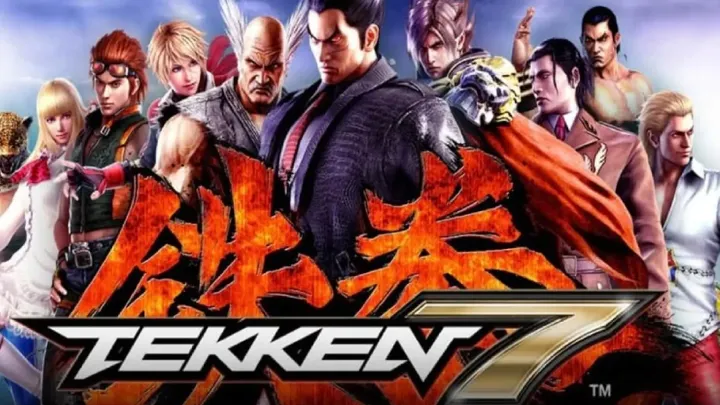
Tekken 7
Namco’s Tekken series has always been a fan favorite, and Tekken 7 is arguably the peak of the franchise.
Gameplay Analysis
Unlike 2D fighters, Tekken 7 uses a 3D plane where movement in all directions is crucial. Players must master juggling combos, sidesteps, and advanced mechanics like Rage Arts and Rage Drives. Its depth comes from the balance between easy-to-learn basics and extremely complex character mastery.
Evaluation
The game is praised for its cinematic story mode, which concludes the Mishima saga, and for its technical combat system. It remains one of the most popular competitive fighting games and a staple in global eSports events like EVO.
Mortal Kombat 11
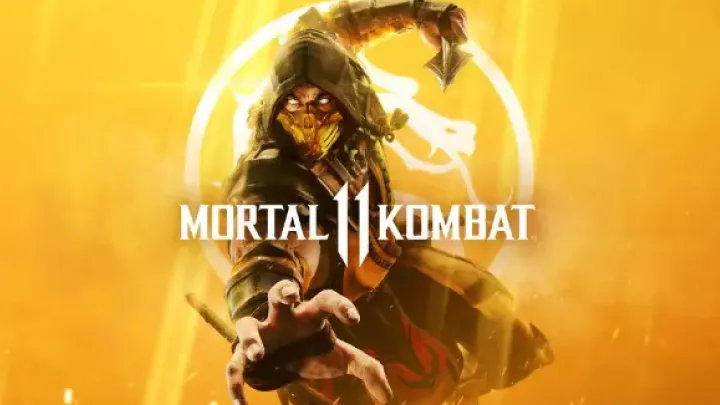
Known for its brutal style, Mortal Kombat 11 brings the iconic franchise to a new level with stunning visuals and refined mechanics.
Gameplay Analysis
MK11 focuses on strategic play with slower, more methodical combat compared to other fighters. Fatal Blows and Krushing Blows add cinematic flair, while customization options allow players to modify abilities and gear.
Evaluation
The game is acclaimed for its engaging story mode, over-the-top finishing moves, and accessibility for new players. It balances gore with competitive gameplay, making it suitable both for casual fun and professional tournaments.
Super Smash Bros. Ultimate
Nintendo’s Super Smash Bros. Ultimate isn’t a traditional fighter, but it has redefined the genre for millions of players.
Gameplay Analysis
The game blends platforming with fighting, where characters attempt to knock each other off the stage. With over 70 playable characters from various franchises, each match feels chaotic yet strategic. Mechanics like edge guarding, dodging, and combo setups make it deceptively deep.
Evaluation
Its massive roster and crossover appeal make it one of the most popular fighting games ever created. The competitive Smash scene thrives worldwide, proving that the game isn’t just casual fun—it’s a serious competitive platform.
Guilty Gear -Strive-
For fans of anime-inspired fighters, Guilty Gear -Strive- by Arc System Works is a masterpiece.
Gameplay Analysis
The game introduces stylish visuals with smooth anime-like animation and a rock-inspired soundtrack. Its “Wall Break” system creates dynamic transitions, while unique characters bring diverse playstyles. Compared to older entries, -Strive- is more accessible to newcomers while keeping depth for veterans.
Evaluation
It has received global acclaim for its art direction, high-energy battles, and balance. With consistent updates and strong eSports presence, it’s one of the finest anime fighters today.
Dragon Ball FighterZ
Based on the legendary anime, Dragon Ball FighterZ combines fast-paced tag team combat with cinematic visuals.
Gameplay Analysis
The game uses a 3v3 tag system where players switch between characters to build combos and extend pressure. With flashy supers and transformations, it captures the essence of Dragon Ball battles. Despite being visually spectacular, it offers surprising competitive depth with strict execution requirements.
Evaluation
Both Dragon Ball fans and hardcore fighting players admire DBFZ for its faithful recreation of the anime and tight mechanics. It quickly became a tournament favorite.
Soulcalibur VI
The Soulcalibur series is unique in focusing on weapon-based combat, and Soulcalibur VI revives the franchise.
Gameplay Analysis
The game emphasizes weapon reach, spacing, and guard mechanics. Its “Reversal Edge” allows cinematic counterattacks, making fights more tactical. Customizable characters also add a personal touch to gameplay.
Evaluation
The combination of historical fantasy storytelling and smooth fighting mechanics makes Soulcalibur VI a strong contender in the genre.
King of Fighters XV
SNK’s King of Fighters XV continues its long-running legacy with a modern touch.
Gameplay Analysis
Known for its 3-on-3 team battles, the game emphasizes fast-paced, combo-heavy combat. Players must master team composition and resource management to succeed. Its mechanics encourage aggressive play, rewarding precision and pressure.
Evaluation
With polished visuals, rollback netcode, and expanded roster, KOF XV reestablished SNK as a competitive force in fighting games.
Injustice 2
From the creators of Mortal Kombat, Injustice 2 brings DC superheroes and villains into epic battles.
Gameplay Analysis
The game emphasizes cinematic storytelling alongside balanced mechanics. Environmental interactions let players use objects and stage transitions strategically. Its Gear System allows players to personalize characters while still maintaining competitive balance.
Evaluation
The single-player campaign is highly praised, while the online scene provides long-lasting replayability. For fans of both superheroes and fighting games, it’s a must-play.
Dead or Alive 6
Dead or Alive 6 combines flashy visuals with fast-paced, counter-heavy combat.
Gameplay Analysis
The series is famous for its triangle system of strikes, holds, and throws, creating a “rock-paper-scissors” style of combat. DOA6 introduces Break Gauge moves, making battles more cinematic and approachable for beginners.
Evaluation
Though not as popular in tournaments, it remains a favorite for fans who enjoy dynamic movement and striking visuals.
Conclusion
Fighting games are more than just battles—they’re about competition, community, and mastery. From the precision of Street Fighter V to the cinematic chaos of Mortal Kombat 11 and the accessible fun of Super Smash Bros. Ultimate, the genre has something for everyone.
The titles listed above represent the best fighting games of all time, catering to different preferences: some focus on hardcore technical mastery, others on accessible gameplay and storytelling. Together, they showcase why fighting games continue to thrive, uniting players in both casual and competitive arenas.