






Graphics in video games have advanced tremendously over the last decade, and in recent years, the progress has been nothing short of jaw-dropping. What was once considered cutting-edge can now look dated in just a few years, as developers continue to push the boundaries of realism, art direction, and technical innovation. With the help of next-gen hardware, ray tracing technology, and increasingly powerful engines, games today can rival the spectacle of blockbuster films, immersing players in worlds that feel alive and authentic.
But great graphics aren’t just about realism—they’re about creating worlds that captivate the imagination. Whether it’s the dusty plains of the Wild West, neon-lit futuristic cities, or lush, untamed wilderness, visuals can amplify storytelling, gameplay, and immersion. Let’s take a closer look at some of the most visually impressive games released in recent years, each one a benchmark of what modern gaming can achieve.
1. Red Dead Redemption 2 – A Living, Breathing World
Rockstar Games is no stranger to creating ambitious titles, but Red Dead Redemption 2 set an entirely new standard when it was released. Widely regarded as one of the most beautiful games ever made, it showcases a meticulously crafted world that feels truly alive.
From sweeping mountain ranges and dusty plains to bustling towns and rivers shimmering in the sunlight, every environment feels handcrafted. Small details—like animals reacting naturally to your presence, dynamic weather patterns, and lifelike character animations—make the world feel less like a game and more like a real place frozen in time.

It’s not just the visuals themselves, but the way they’re combined with Rockstar’s attention to storytelling that elevates the experience. Every sunset paints the sky in breathtaking colors, every rainstorm feels heavy and cinematic, and every character’s expressions make the narrative more impactful. Simply put, Red Dead Redemption 2 is a masterpiece in blending visuals with immersion.
2. Cyberpunk 2077 (Next-Gen Updates) – A Neon Dream
Few games have sparked as much discussion as Cyberpunk 2077. While its launch in 2020 was plagued with technical issues, the subsequent updates and next-gen enhancements have transformed it into one of the most visually stunning RPGs available today.
The city of Night City is a spectacle in itself: a neon-lit dystopian metropolis filled with flashing billboards, rainy alleys, and towering skyscrapers. With ray tracing enabled, every reflection and shadow feels lifelike, creating a dazzling cyberpunk aesthetic that rivals cinematic sci-fi films.
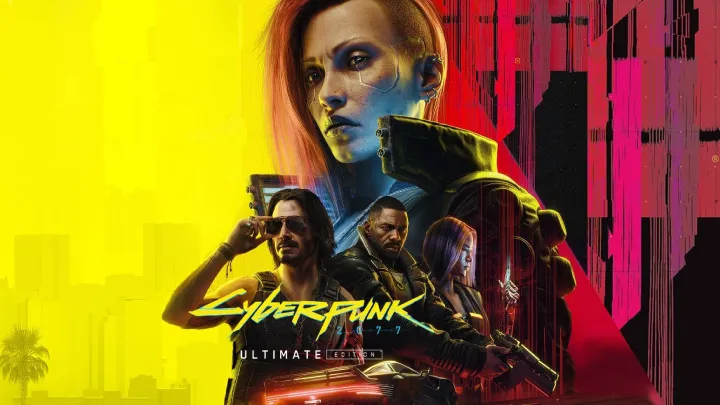
Beyond the visuals, the design of Night City is breathtaking. Walking through its crowded streets feels immersive, as if you’re truly inhabiting a futuristic society. The atmosphere is thick with detail, from graffiti-covered walls to bustling markets, making the world endlessly fascinating to explore.
Thanks to its updates, Cyberpunk 2077 has gone from a troubled release to a graphical showcase that demonstrates the potential of next-gen hardware and modern PC builds.
3. Horizon Forbidden West – Nature Meets Machines
Guerrilla Games’ Horizon Forbidden West takes the foundations of Horizon Zero Dawn and pushes everything further, especially its visuals. The game’s open world is a stunning combination of natural beauty and futuristic design, creating an environment that feels both familiar and alien.
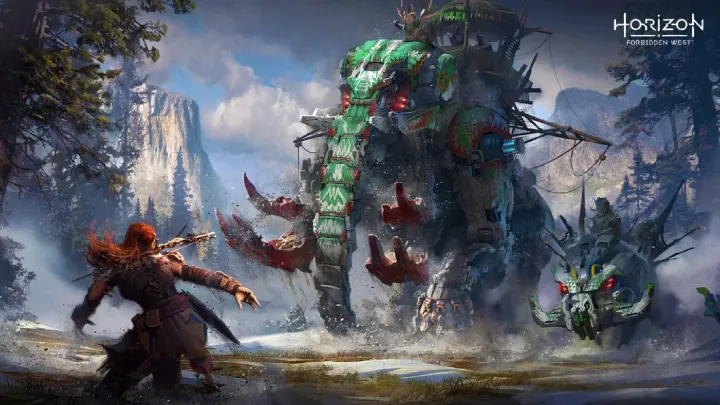
From dense forests and sunlit deserts to snow-capped mountains and underwater ruins, every biome is packed with detail. The robotic creatures that inhabit the world are visual marvels in their own right, blending organic movement with mechanical intricacy.
Character models are another standout feature. Protagonist Aloy and other characters are rendered with astonishing detail, showcasing expressive facial animations and lifelike features. Combined with the cinematic storytelling, these visuals bring the world to life in a way that feels almost tangible.
On the PlayStation 5, Horizon Forbidden West demonstrates just how far console graphics have come, setting a benchmark for open-world games in the modern era.
4. Microsoft Flight Simulator – Photorealism Achieved
When it comes to realism, Microsoft Flight Simulator is in a class of its own. This game doesn’t just offer impressive graphics—it offers a near-photorealistic simulation of the entire Earth. Using satellite data and cloud-based technology, the game recreates landscapes, cities, and landmarks with incredible accuracy.
Flying over your hometown, exploring famous monuments, or navigating through stormy skies feels surreal because of the real-time weather system and stunning environmental detail. Clouds form naturally, lighting changes dynamically, and rain or fog affects visibility in ways that are remarkably true to life.
For aviation fans, the aircraft models themselves are masterpieces of detail, both inside and out. The cockpits are fully functional, with every dial and switch behaving as it would in reality.
Simply put, Microsoft Flight Simulator is not just a game—it’s a technical marvel that showcases the power of modern hardware and cloud technology, blurring the line between simulation and reality.
5. The Last of Us Part I (Remake) – Emotional Realism
Naughty Dog has always been known for pushing graphical boundaries, and The Last of Us Part I remake is no exception. This updated version of the beloved classic takes advantage of next-gen hardware to deliver some of the most lifelike character models and environments ever seen.
The emotional weight of the story is amplified by the stunning visuals. Every character’s facial expressions are rendered with painstaking detail, making every emotional moment hit harder. From Joel’s grief to Ellie’s determination, the storytelling feels raw and immersive because of the graphics.
Environments also shine, with beautifully detailed post-apocalyptic settings that range from overgrown cities to haunting abandoned buildings. Lighting, shadows, and textures combine to create an atmosphere that is both beautiful and chilling.
The Last of Us Part I demonstrates how graphics can elevate storytelling, turning an already powerful narrative into a deeply immersive experience.
Conclusion
The games mentioned above represent the pinnacle of modern video game graphics, each excelling in different ways. Red Dead Redemption 2 offers handcrafted realism, Cyberpunk 2077 dazzles with its neon cityscapes, Horizon Forbidden West blends nature with machines, Microsoft Flight Simulator delivers true photorealism, and The Last of Us Part I uses visuals to heighten emotional impact.
These titles prove that video games are no longer just interactive entertainment—they are works of art, capable of delivering cinematic experiences while still giving players control over the journey.
As technology continues to evolve, the future of video game graphics looks even more promising. One thing is certain: the line between games and reality will continue to blur, offering experiences that amaze, inspire, and immerse us like never before.