

Introduction
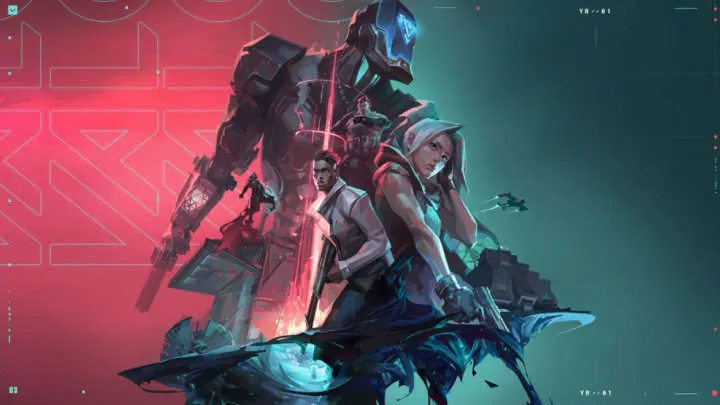
When Riot Games announced Valorant in 2019 under the codename “Project A,” the gaming world was intrigued but skeptical. Known for League of Legends, Riot had never produced a tactical first-person shooter. Yet when Valorant officially launched in June 2020, it quickly established itself as one of the most influential competitive shooters of the decade. Combining precise gunplay reminiscent of Counter-Strike with unique hero-style abilities, Valorant carved a new path in the crowded FPS market. In this news-style feature, we’ll take a deep dive into Valorant’s design philosophy, gameplay mechanics, esports ambitions, updates, community impact, and its future potential.
The Origins of Valorant
Riot Games had long been seeking to diversify its portfolio beyond League of Legends. “Project A” was Riot’s answer to the FPS community’s demand for a game that valued precision shooting while modernizing the genre with character-driven design. Valorant was developed with a global mindset: lightweight enough to run on low-end PCs, but advanced enough to support competitive esports infrastructure.
The timing of Valorant’s launch in 2020 during the pandemic also boosted its popularity, as millions of players were looking for accessible multiplayer experiences. Unlike many shooters that lean toward realism, Valorant embraced vibrant, stylized visuals that balanced readability with personality.
Core Gameplay Philosophy
At its heart, Valorant is a 5v5 tactical shooter. Players choose from a roster of “agents,” each with unique abilities, and battle across multiple rounds in attack-versus-defense scenarios. Victory comes not just from shooting accuracy, but from strategy, utility use, and team coordination.
Riot designed Valorant with three pillars in mind:
- Precise Gunplay – heavily inspired by Counter-Strike’s weapon mechanics.
- Strategic Utility – abilities that shape the battlefield without replacing gun skill.
- Competitive Integrity – strong netcode, anti-cheat, and balanced design to ensure fair play.
This approach allowed Valorant to attract veterans of Counter-Strike while introducing a new layer of tactical depth for players who enjoy hero-based shooters.
Agents: Characters with Purpose
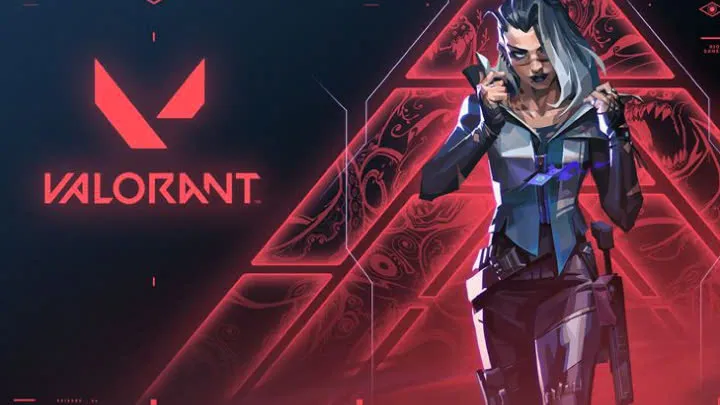
Valorant’s agents are its defining feature. Unlike purely cosmetic classes, each agent has a toolkit of abilities that can make or break a round. Riot carefully designed abilities to enhance, not overshadow, gunplay.
Roles and Playstyles
- Duelists (e.g., Jett, Reyna) – Fraggers who take aggressive fights.
- Controllers (e.g., Omen, Viper) – Specialists in area denial and map control.
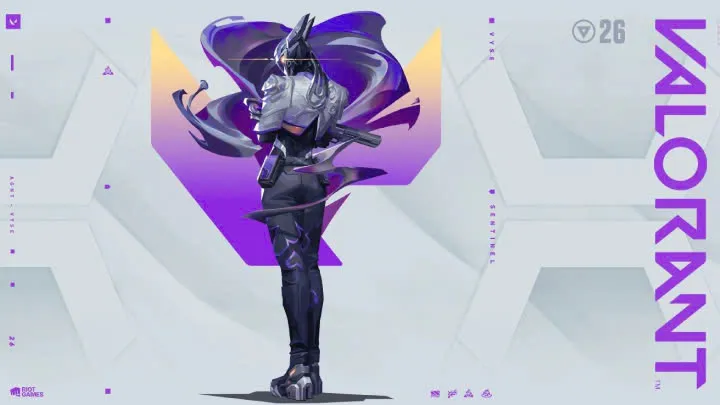
- Sentinels (e.g., Sage, Killjoy) – Defensive anchors who lock down sites.
- Initiators (e.g., Sova, Skye) – Agents who create openings and gather intel.
Evolution of the Roster
Riot steadily releases new agents, each introducing new strategies. For example, Chamber changed the pace of defensive play with his teleport mechanics, while Harbor’s water-based abilities reshaped map control. This evolving roster ensures the meta remains dynamic.
Maps: The Chessboard of Valorant
Valorant’s maps are central to its competitive identity. Each map is designed with a unique twist to avoid monotony.
- Bind: Teleporters enable fast rotations.
- Split: Verticality and tight chokepoints challenge attackers.
- Haven: Features three bomb sites instead of two.
- Icebox: Emphasizes vertical fights and complex site setups.
- Ascent: Central doors control mid dynamics.
Later maps like Fracture and Pearl showcased Riot’s willingness to experiment with asymmetry, offering distinctive playstyles. These maps act like puzzles that teams must solve, leading to evolving strategies over time.
Weaponry and the Economy System
Valorant’s gunplay is unforgiving—accuracy, spray control, and crosshair placement are vital. Weapons are modeled after Counter-Strike counterparts, from pistols like the Sheriff to rifles like the Phantom and Vandal.
The economy system adds layers of strategy: players must decide when to buy, force, or save. A poorly managed economy can cost multiple rounds, emphasizing teamwork and planning. This makes Valorant as much a mental game as a mechanical one.
Esports: Valorant Champions Tour (VCT)
Riot Games envisioned Valorant as an esport from the very beginning. The Valorant Champions Tour (VCT) launched in 2021, quickly establishing a structured competitive ecosystem.
- Challengers: Regional qualifiers.
- Masters: International LAN tournaments.
- Champions: The world championship.
Teams like Sentinels, LOUD, and Paper Rex became fan favorites, showcasing the global reach of the game. The competitive scene has grown rapidly, rivaling established esports like CS:GO. Riot’s long-term commitment, including franchising and regional leagues, cements Valorant’s place in esports history.
Riot’s Technical Innovations
To support competitive integrity, Riot invested heavily in technology. Valorant uses 128-tick servers, minimizing latency compared to competitors. The game also has “Riot Vanguard”, an aggressive anti-cheat system that runs at the kernel level.
While Vanguard initially faced backlash due to privacy concerns, its effectiveness at curbing cheating has largely been validated. These technical decisions demonstrate Riot’s willingness to take risks for the sake of fairness.
Community and Cultural Impact
Valorant’s rise has not just been about competition—it has reshaped gaming culture. Streamers and content creators fueled early hype, with Twitch drops during closed beta driving record-breaking viewership.
The game has also sparked conversations about diversity. With a diverse cast of agents representing multiple cultures and identities, Riot positioned Valorant as an inclusive experience. Community-driven fan art, cosplay, and music collaborations have made Valorant a cultural touchstone beyond gaming.
Challenges and Criticism
No game is without issues, and Valorant has faced its share. Some criticisms include:
- Balancing agents: New characters sometimes disrupt competitive balance.
- Map pool controversies: Certain maps like Split were divisive among players.
- Vanguard concerns: Despite its effectiveness, some players remain wary of anti-cheat’s intrusiveness.
However, Riot has shown responsiveness, frequently patching and reworking elements based on player feedback. This agile development cycle has helped maintain trust.
The Future of Valorant
Looking ahead, Riot has ambitious plans. More agents and maps are confirmed, along with evolving seasonal storylines to enrich the game’s lore. Riot is also expanding Valorant into mobile platforms, aiming to reach an even broader audience.
Esports expansion continues with international leagues and further integration into mainstream culture. If successful, Valorant could become the definitive tactical shooter of the next decade.
Conclusion
Valorant is not just a game; it is a global phenomenon that combines precision shooting with character-driven strategy. Riot Games successfully bridged the gap between classic tactical shooters and modern hero-based games, creating a title with depth, accessibility, and esports longevity. With continuous updates, a vibrant community, and a forward-looking esports ecosystem, Valorant is poised to remain at the forefront of competitive gaming for years to come.