



Introduction
In the ever-evolving landscape of competitive gaming, few titles have made as significant an impact as Valorant. Released by Riot Games in June 2020, this tactical first-person shooter combines elements from traditional FPS games with unique character abilities, creating a gameplay experience that emphasizes both strategy and teamwork. This article delves into the various aspects of Valorant, including its gameplay mechanics, character diversity, competitive scene, community engagement, and ongoing development.
The Gameplay Mechanics
Tactical Gameplay
At its core, Valorant is a team-based tactical shooter, where two teams of five players compete to complete objectives. The primary objective for the attacking team is to plant a bomb known as the Spike, while the defending team aims to prevent this from happening. Each match consists of multiple rounds, with the first team to win 13 rounds declared the winner.
The gameplay requires players to adopt strategic approaches, as positioning, communication, and teamwork are essential for success. Every round begins with a buy phase, where players can purchase weapons, shields, and abilities using credits earned from previous rounds. This economy management adds a layer of strategy, forcing players to make decisions that can impact the outcome of the match.
Unique Abilities
One of the most distinguishing features of Valorant is its roster of agents, each equipped with unique abilities that can significantly influence gameplay. Unlike traditional shooters that rely solely on weapon mechanics, Valorant integrates character abilities that enhance tactical possibilities.
Each agent falls into one of four categories:
- Duelists: Designed for aggressive playstyles, these agents excel in securing kills. Examples include Phoenix and Jett, who have abilities that allow them to engage enemies directly and escape quickly.
- Controllers: These agents focus on area denial and map control. They can create smoke screens or manipulate the battlefield to obscure enemy sightlines. Agents like Brimstone and Omen fall into this category.
- Initiators: Their role is to break through enemy defenses and create opportunities for their team. Agents like Sova and Breach use abilities to scout and disrupt enemy positions.
- Sentinels: These agents provide defensive support, offering healing and utility to their teammates. Sage and Killjoy exemplify this role, focusing on team sustainability and map control.
Economy System
Valorant incorporates an economy system that adds depth to the gameplay. Players earn credits based on their performance in each round, which can be spent on weapons, shields, and abilities in subsequent rounds. Understanding when to buy and when to save is crucial for success.
For instance, if a team loses a round but performs well individually, they may opt to force a buy in the next round, risking their economy for a chance at victory. Conversely, a well-timed eco round—where players intentionally save credits—can set the stage for a more robust purchase in the following round.
Character Diversity and Design
A Global Cast
Valorant boasts a diverse roster of characters, each hailing from different countries and cultures. This global representation is not only refreshing but also adds depth to the game's narrative. Players can choose from a variety of characters, each with distinct backstories and motivations.
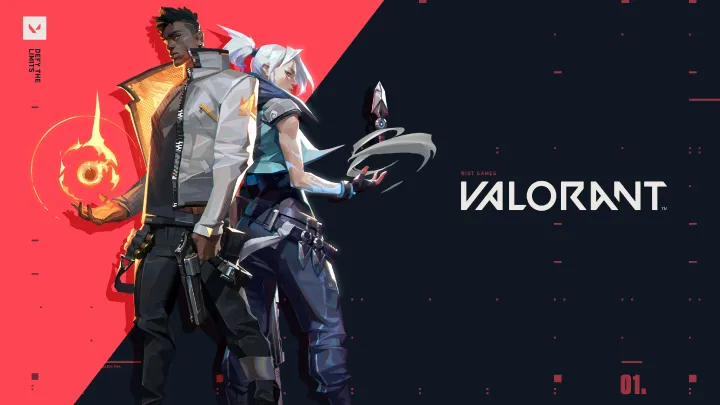
For example, Phoenix, a duelist from the UK, wields fire-based abilities that symbolize his fiery personality. Jett, a swift assassin from South Korea, embodies agility and unpredictability. This attention to character design enriches the gameplay experience and allows players to connect with their chosen agents on a personal level.
Character Design Philosophy
The design of each agent in Valorant is meticulous, with abilities that reflect their backgrounds and personalities. Riot Games has invested significant effort into creating unique identities for each character, ensuring that their abilities not only serve gameplay mechanics but also contribute to the overall lore of the game.
Map Design and Strategy
Diverse Environments
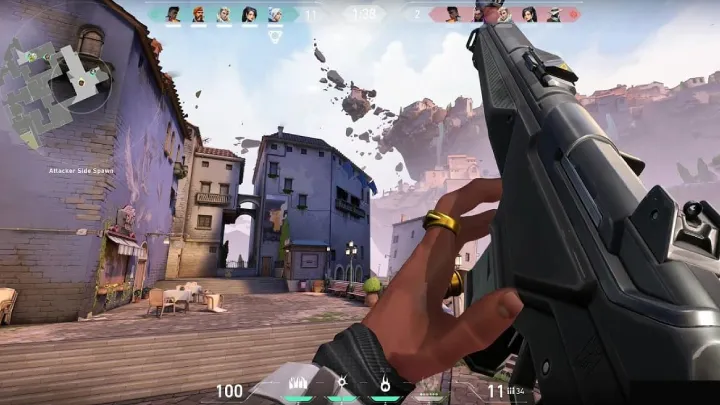
Valorant features a range of maps, each designed to encourage strategic play and teamwork. Maps like Ascent, Haven, and Bind offer unique layouts and challenges. For instance, Haven is notable for having three bomb sites, allowing for dynamic gameplay and strategic depth.
Each map emphasizes verticality and offers various sightlines, creating opportunities for flanking and strategic positioning. Players must learn the intricacies of each map, including key locations, choke points, and hiding spots, to gain a competitive edge.
Strategic Depth
The design of each map not only enhances gameplay but also requires players to think critically about their strategies. Teams must communicate effectively to coordinate attacks and defenses, leveraging their agents’ abilities to control the battlefield.
The Competitive Scene
Rise of Esports
Since its release, Valorant has quickly become a staple in the esports community. Riot Games has actively supported the competitive scene through the Valorant Champions Tour (VCT), which features regional and international tournaments. This commitment to esports has attracted a plethora of professional players and teams, elevating Valorant to the status of a major competitive title.
The VCT has seen impressive viewership and engagement, showcasing the best teams from around the world as they compete for glory and prize money. The competitive scene has fostered a culture of skill development and strategic innovation, pushing players to continually improve.
Community Engagement
The Valorant community is vibrant and engaged, with players participating in both casual and competitive play. Streamers and content creators have played a significant role in promoting the game, showcasing strategies, tips, and gameplay highlights.
Community events and tournaments organized by players further contribute to the game's popularity, providing opportunities for grassroots competition and engagement.
Continuous Development and Updates
Regular Updates
Riot Games is committed to keeping Valorant fresh and engaging through regular updates. These updates often include new agents, maps, and balance changes, ensuring that the game evolves with the player base.
Players can expect new content to be introduced periodically, including seasonal events and challenges that keep the gameplay experience dynamic and exciting.
Player Feedback
The developers actively listen to player feedback, making adjustments based on community input. This responsiveness has earned Riot Games a reputation for valuing its player base and striving to create a balanced gameplay experience.
Conclusion
Valorant has successfully carved out a niche in the competitive gaming landscape, blending tactical shooting with character-based abilities. Its diverse cast of characters, strategic depth, and commitment to esports have made it a favorite among players.
As the game continues to evolve, it holds the promise of remaining a significant player in the FPS genre for years to come. Whether you’re a casual player or an aspiring professional, Valorant offers a rich and rewarding gaming experience that challenges players to think strategically and work as a team.