

Valorant, developed by Riot Games, has rapidly established itself as a dominant force in the first-person shooter genre since its release in June 2020. Combining traditional tactical shooting mechanics with unique character abilities, Valorant offers a compelling experience that appeals to both casual gamers and competitive players. This article explores the origins, gameplay mechanics, community impact, and future of Valorant, providing a comprehensive overview of this groundbreaking title.
Origins and Development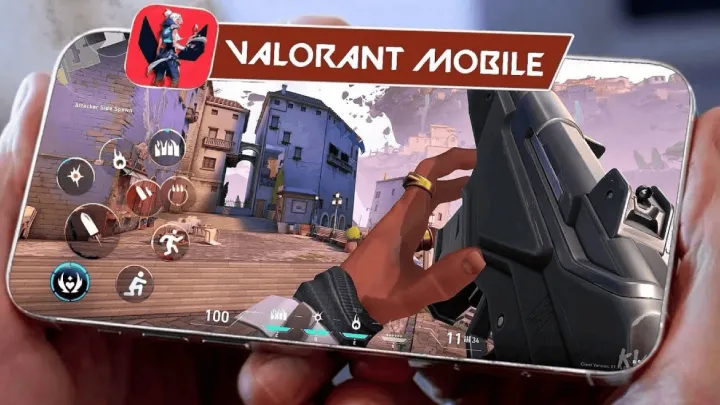
The Vision Behind Valorant
Riot Games, known for its successful title League of Legends, sought to create a tactical shooter that merged the strategic depth of games like Counter-Strike with the character-driven gameplay of titles such as Overwatch. The goal was to craft a game that emphasized teamwork, strategy, and precise gunplay, appealing to a wide range of players.
Closed Beta and Launch
In April 2020, Valorant entered a closed beta phase, allowing players to experience the game and provide feedback. The beta was marked by immense popularity, particularly on streaming platforms like Twitch, where it garnered millions of views. The official launch on June 2, 2020, was met with enthusiasm and acclaim, quickly positioning Valorant as a major player in the esports and gaming community.
Development Philosophy
Riot Games emphasized community feedback throughout the development process, ensuring that the game met the expectations of its player base. The company’s commitment to ongoing updates and balance changes has fostered a dynamic environment that keeps players engaged.
Gameplay Mechanics
Core Gameplay Structure
Valorant's gameplay revolves around a 5v5 format, where two teams compete to complete objectives. The primary objective is to plant or defuse a device called the Spike, with one team attacking and the other defending. This structure encourages strategic planning and teamwork, as players must communicate and coordinate their actions to succeed.
Unique Agent Abilities
One of the defining features of Valorant is its diverse roster of Agents, each equipped with unique abilities that complement their playstyles. Agents are categorized into four roles:
- Duelists: Agents like Jett and Reyna excel in aggressive play, focusing on high damage output and mobility. They are designed for players who thrive on taking risks and securing frags.
- Controllers: Characters such as Brimstone and Viper specialize in area denial and map control. They use abilities to manipulate the battlefield, blocking enemy sightlines and creating advantageous situations for their team.
- Initiators: Agents like Sova and Breach provide tools to gather information and disrupt enemy positions. Their abilities help create openings for teammates to capitalize on.
- Sentinels: Characters such as Sage and Cypher focus on support and defense, providing healing and utility for their team. They excel at holding down areas and ensuring team survival.
Map Design and Strategy
Valorant features a variety of maps, each with distinct layouts and strategic elements. Key maps include:
- Bind: Known for its teleporters, which allow for quick movement between sites. This dynamic creates opportunities for flanking and unexpected plays.
- Haven: Unique for having three bomb sites, encouraging diverse strategies and making it essential for teams to communicate effectively.
- Split: A vertical map that requires players to utilize height advantages and control chokepoints, adding layers of complexity to gameplay.
Players must develop strong map awareness, understanding the layout, potential enemy positions, and key strategic points. This knowledge is crucial for making informed decisions during matches.
Game Modes
Competitive Mode
The competitive mode is where players can rank up through a series of matches, testing their skills against others of similar levels. Players earn ranks based on performance, fostering a competitive atmosphere that encourages improvement and teamwork.
Unrated Mode
For more casual play, the unrated mode allows players to engage in matches without the pressure of ranking. This mode is ideal for practicing skills, experimenting with different Agents, and enjoying the game in a relaxed environment.
Spike Rush
Spike Rush is a shorter game mode that offers a more fast-paced experience. Players are randomly assigned Agents and abilities, with the goal of planting or defusing the Spike. This mode emphasizes quick gameplay and adaptability.
Deathmatch
In Deathmatch mode, players can hone their shooting skills in a fast-paced environment where they respawn quickly after being eliminated. This mode focuses on individual skill and provides an excellent way to practice aiming and movement.
Community and Social Features
Team Communication
Effective communication is crucial in Valorant. The game includes voice and text chat options, allowing players to strategize with teammates and share information about enemy locations and tactics. Good communication can significantly enhance a team's performance.
Clans and Competitive Play
Valorant features a clan system that allows players to form groups with friends and compete in matches together. This fosters a sense of community and encourages teamwork among players, making gaming experiences more enjoyable.
Events and Tournaments
Riot Games regularly hosts in-game events and tournaments, providing players with opportunities to compete for rewards and recognition. These events keep the player base engaged and contribute to the evolving meta, encouraging players to adapt their strategies.
Esports Scene
Competitive Tournaments
Valorant has quickly established itself as a significant player in the esports arena, with numerous tournaments showcasing top teams from around the world. The VALORANT Champions Tour (VCT) highlights elite gameplay and competitive skill, featuring teams from different regions competing for prestigious titles.
Professional Teams and Players
The competitive scene has seen the rise of professional teams and players who specialize in Valorant. Organizations like Team Liquid, Sentinels, and Fnatic have built rosters of top talent, contributing to the game's popularity. Players such as TenZ and Shroud have become household names in the gaming community, further elevating the game’s profile.
Community Engagement
The esports community surrounding Valorant is vibrant and active. Fans engage with their favorite teams and players through social media, streaming platforms, and live events, fostering a passionate community that supports growth. The interaction between players and fans enhances the overall experience, creating a sense of belonging.
Cultural Impact
Popularity and Reception
Since its release, Valorant has received widespread acclaim for its gameplay mechanics, character diversity, and strategic depth. The game appeals to both casual players and hardcore gamers, making it a leading title in the first-person shooter genre.
Influence on Game Design
Valorant has influenced other games in the industry, showcasing the potential of combining traditional shooter mechanics with character abilities. This hybrid approach has inspired developers to explore new gameplay concepts and designs, pushing the boundaries of what first-person shooters can offer.
Streaming and Content Creation
The popularity of Valorant has led to a thriving community of streamers and content creators. Many players showcase their skills, share strategies, and create entertaining content around the game, further promoting its visibility. The game's mechanics and character-driven gameplay provide endless opportunities for creative content.
Future of Valorant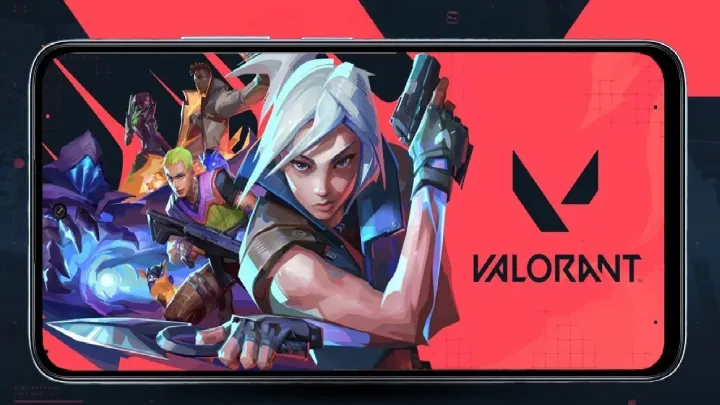
Ongoing Updates
Riot Games is committed to providing regular updates and new content for Valorant, including new Agents, maps, and gameplay features. This ensures that the game remains fresh and engaging for players, adapting to the evolving needs of the community.
Community Feedback
The development team actively listens to community feedback, using player input to shape future updates and balance changes. This responsiveness fosters a strong relationship between developers and players, ensuring that the game evolves in meaningful ways.
Expanding the Esports Scene
As Valorant continues to grow, Riot Games focuses on expanding its esports scene, supporting grassroots tournaments, increasing prize pools, and promoting competitive play at all levels. The goal is to create a sustainable ecosystem that nurtures talent and encourages players to pursue a career in esports.
Conclusion
Valorant has established itself as a leading title in the tactical shooter genre, combining precise gunplay with unique character abilities and strategic depth. Its rich gameplay mechanics, vibrant community, and commitment to ongoing development ensure that it remains a staple in the gaming world for years to come. Whether playing casually or competitively, players can find excitement and challenge in the ever-evolving world of Valorant. As the game continues to adapt and grow, it promises to deliver engaging experiences that captivate players and redefine the boundaries of tactical shooters.