
![Simpsons [HORROR]](https://arbcdn.techfast.vn/0b51753c5bc9486bb6dfb8974ef220ab.webp)
Introduction
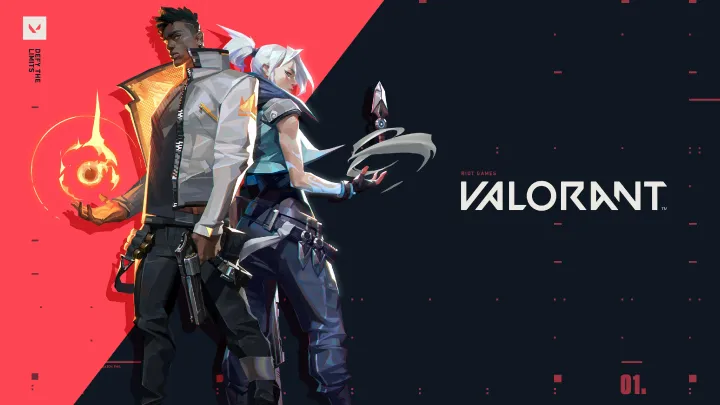
Valorant, Riot Games’ competitive first-person shooter, has taken the esports world by storm since its release in 2020. Combining precise gunplay inspired by Counter-Strike with unique hero-style abilities, Valorant requires a balance of mechanical skill, strategy, and team coordination. This guide provides a deep dive into the game’s systems, strategies, and competitive aspects to help you improve performance and climb the ranks.
1. Understanding Valorant’s Core Gameplay
Valorant revolves around 5v5 matches where one team attacks and the other defends. Attackers aim to plant the Spike, while defenders prevent it.
Key Mechanics
- Tactical shooting with recoil patterns
- Economy management each round
- Time-limited rounds with sudden-death stakes
Why It Matters
Unlike casual shooters, every decision in Valorant carries long-term consequences for your team’s success.
2. Agents and Their Roles
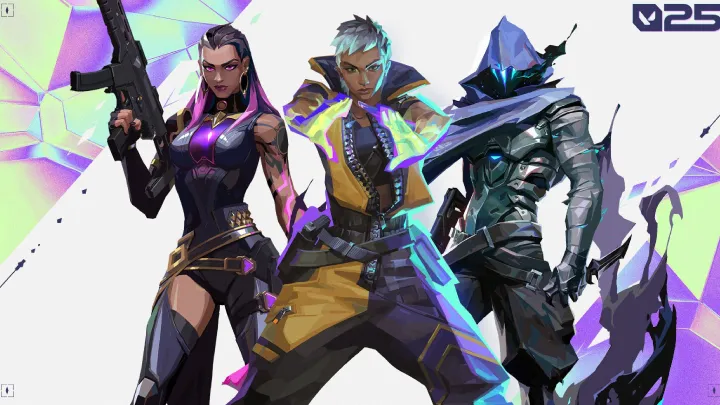
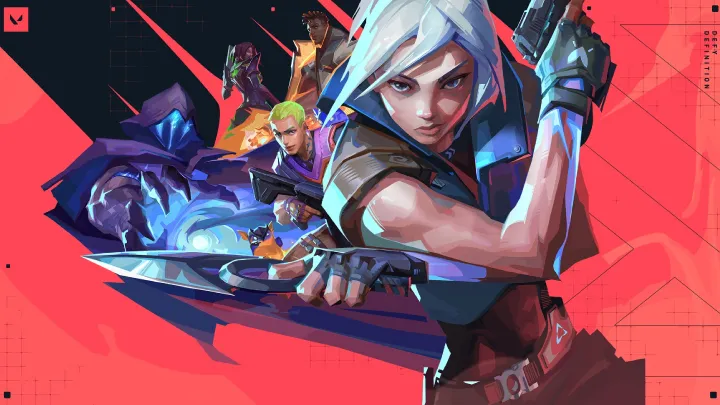
Valorant agents are divided into four roles: Duelists, Initiators, Sentinels, and Controllers.
Duelists
Aggressive fraggers like Jett or Reyna designed for creating space.
Initiators
Agents like Sova and Skye who gather information and set up plays.
Sentinels
Defensive experts such as Killjoy and Sage who lock down sites.
Controllers
Smokers like Omen and Viper who manipulate sightlines and map control.
3. The Importance of Economy Management
Each round depends on credits earned through kills, plants, and wins. Poor economy can cripple even skilled teams.
Buy Phases
- Full Buy: Rifles + Armor + Abilities
- Eco: Save money for future rounds
- Force Buy: Pistols or SMGs after losing
Managing the economy effectively separates beginners from competitive players.
4. Maps and Their Strategies
Every Valorant map has unique features that demand distinct strategies.
Examples:
- Ascent: Mid control is crucial.
- Bind: Teleporters allow quick rotations.
- Icebox: Vertical combat dominates engagements.
Learning map layouts, callouts, and choke points is essential for higher-level play.
5. Mastering Gunplay and Mechanics
Mechanical skill is at the core of Valorant.
Recoil Control
- Learn spray patterns for Vandal, Phantom, and Spectre.
- Practice tapping vs bursting at different ranges.
Crosshair Placement
Always pre-aim at head level to maximize reaction time.
6. Utility Usage and Ability Timing
Abilities are what make Valorant unique compared to traditional shooters.
Examples
- Sova’s Recon Bolt for early intel.
- Omen’s Smokes to cut off vision.
- Sage’s Wall for site denial.
The key is to blend abilities with strong gunplay, not replace it.
7. Communication and Teamplay
Valorant is not a solo game. Success depends on coordination.
Effective Communication
- Use short callouts.
- Share economy information.
- Rotate based on teammate feedback.
Teams that communicate well consistently outperform disorganized squads.
8. Ranked Mode and Progression
Ranked play is where Valorant becomes most competitive.
Ranking System
- Iron → Radiant
- Performance and wins affect rank progression.
Consistency, teamwork, and adaptability are key to climbing.
9. Competitive Meta and Updates
Riot Games frequently updates Valorant with balance patches.
Current Trends
- Meta agents rotate each patch.
- Map pool shifts force new strategies.
Staying updated ensures you aren’t left behind.
10. Esports Scene and Future of Valorant
Valorant has already become a global esports title with tournaments like VCT (Valorant Champions Tour).
Why It Matters
- Provides aspirational goals for competitive players.
- Ensures the game remains relevant for years.
Conclusion
Valorant blends tactical shooting with hero abilities to create one of the most unique competitive games today. Mastering agents, economy, gunplay, and teamwork is essential for success. Whether you’re a casual player or aspiring esports professional, Valorant offers depth and challenge that rewards dedication.