




Introduction
Since its launch in 2020, Valorant has rapidly become one of the most popular first-person shooters globally. Developed by Riot Games, the creators of League of Legends, Valorant combines precise gunplay with unique agent abilities. This mix of tactical gameplay, esports potential, and constant updates has made Valorant a top game in today’s competitive market. In this article, we’ll explore why Valorant is considered a leading title and what makes it stand out among FPS games.
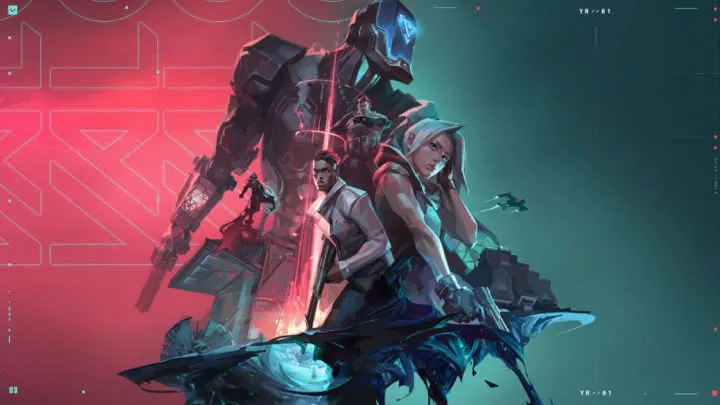
1. What Makes Valorant a Top Game?
Valorant didn’t just appear—it reshaped the FPS scene.
A Blend of CS:GO and Overwatch
- CS:GO’s precision shooting.
- Overwatch’s hero-based abilities.
- The balance of mechanical skill and tactical strategy.
Global Appeal
- Free-to-play model.
- Low system requirements for accessibility.
- Support in multiple regions and languages.
2. Valorant’s Gameplay: A Competitive Edge
Valorant’s gameplay is carefully designed for competitive players.
Core Mechanics
- Tactical rounds with attackers vs defenders.
- Spike planting and defusing.
- First to 13 rounds wins.
Shooting Precision
- Guns like Vandal and Phantom dominate play.
- Headshot accuracy is the ultimate skill test.
3. The Agent System: Unique Character Abilities
Unlike most shooters, Valorant agents bring special abilities to the battlefield.
Agent Roles
- Duelists: Aggressive fraggers (Jett, Reyna).
- Controllers: Map control (Omen, Viper).
- Initiators: Create opportunities (Sova, Skye).
- Sentinels: Defensive anchors (Sage, Killjoy).
Strategy Depth
- Abilities don’t replace guns but complement tactics.
- Team synergy is essential.
4. Maps: Designed for Strategy
Each Valorant map adds variety and unique gameplay challenges.
Examples
- Ascent: Central control and rotations.
- Bind: Teleporters for mind games.
- Haven: Three sites instead of two.
- Icebox: Vertical gameplay.
- Sunset & Lotus: New mechanics and layout twists.
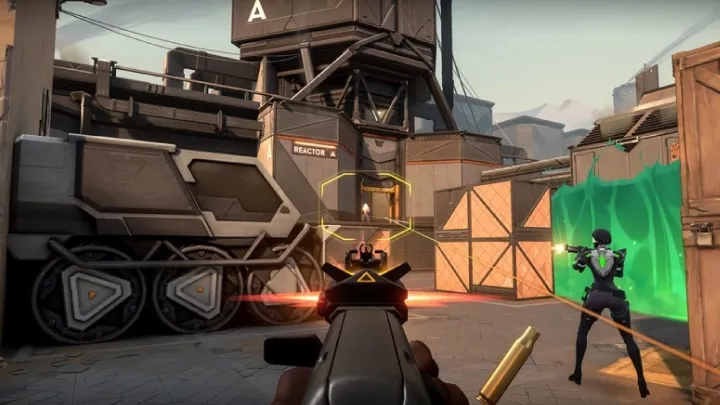
5. Esports Impact: Valorant Champions Tour (VCT)
Valorant has quickly become an esports powerhouse.
VCT Format
- Regional leagues.
- International Masters.
- Valorant Champions: The global finals.
Why It’s Popular
- High production value.
- Star players and iconic teams.
- Regular updates keep the meta fresh.
6. Community and Streaming Popularity
Valorant dominates streaming platforms like Twitch and YouTube.
Reasons for Popularity
- Constant clips of clutch plays.
- Streamers showcasing strategies.
- Riot’s engagement with fans.
7. Graphics and Performance Balance
Valorant proves you don’t need ultra-realism to look good.
Design Choices
- Clean, colorful, and readable visuals.
- Optimized for smooth gameplay even on low-end PCs.
Competitive Advantage
- Clear character models and maps reduce confusion.
8. Riot Games’ Support and Updates
Riot is known for constantly updating its games, and Valorant is no exception.
Updates
- New agents every few months.
- Fresh maps to avoid stagnation.
- Balance patches for fairness.
Battle Pass & Skins
- Affordable cosmetic content.
- Weapon skins with animations and effects.
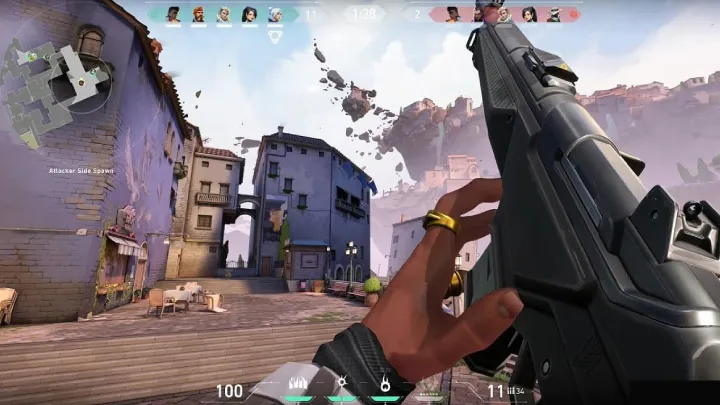
9. Pros and Cons of Valorant as a Top Game
Pros
- Free-to-play, accessible globally.
- Strong esports ecosystem.
- Balanced mix of gunplay and abilities.
- Frequent updates and community engagement.
Cons
- Steep learning curve for beginners.
- Toxicity in competitive matches.
- Reliance on good teammates.
10. The Future of Valorant as a Top Game
Valorant is not slowing down.
Growth Potential
- Mobile version rumored.
- Expansion into more esports regions.
- Continued community-driven development.
Why It Will Stay Relevant
- Riot’s proven success with long-term games (League of Legends).
- Constant player base growth.
Conclusion
Valorant stands as one of the top games in the world thanks to its mix of tactical gunplay, unique agents, accessible graphics, and Riot’s dedication to esports. It has carved its place alongside legends like CS:GO, Overwatch, and Call of Duty. Whether you are a casual gamer or an aspiring pro, Valorant offers endless opportunities to learn, compete, and grow.