

Gaming is constantly evolving, but the charm of retro classics never fades. Many modern developers revisit timeless mechanics and styles from the past while enhancing them with fresh ideas. These “retro revival” titles prove that nostalgia and innovation can blend seamlessly.
Why Retro Still Matters
Classic gameplay offers familiarity, simplicity, and fun. In an era of complex mechanics, retro-inspired games remind us of gaming’s roots, focusing on tight controls, creativity, and rewarding challenges. By mixing these foundations with modern polish, developers appeal to both old-school fans and new audiences.
Shovel Knight – Pixel Art Reimagined
Yacht Club Games’ Shovel Knight pays tribute to the 8-bit era while adding smooth controls and clever level design. Its pixel graphics evoke the NES days, but gameplay enhancements and witty storytelling make it feel fresh and modern.
Cuphead – Old Cartoons Meet Brutal Battles
Cuphead stands out with its 1930s cartoon-inspired animation. Every frame looks hand-drawn, resembling vintage Disney shorts. Behind the charming style lies hardcore run-and-gun gameplay, proving that retro visuals can support modern levels of difficulty and design.

Sonic Mania – Classic Speed, Modern Design
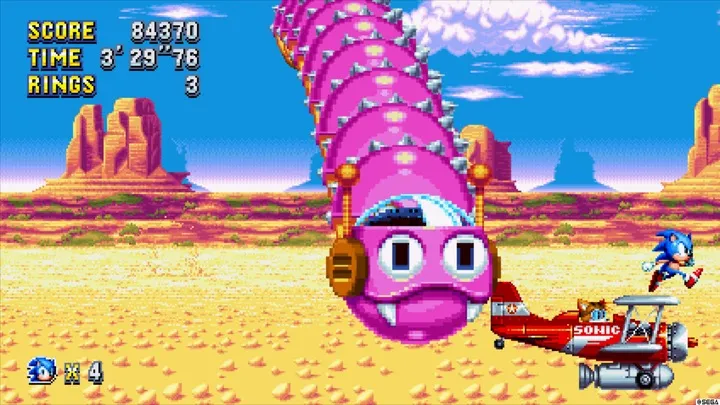
For fans of Sega’s iconic mascot, Sonic Mania revived the fast-paced platforming that made Sonic a legend. It blends original levels with remixed classics, adding crisp animations and smooth controls. The result feels both nostalgic and refreshingly new.
Dead Cells – Roguelike Action with Pixel Beauty
Combining the spirit of classic Castlevania with roguelike mechanics, Dead Cells reinvents retro action. Its pixel art is fluid and detailed, while its fast-paced combat system gives the genre a modern twist that keeps players hooked.
The Perfect Balance of Old and New
Retro revival games succeed because they respect tradition while embracing innovation. They honor the past without being trapped by it, offering timeless fun for every generation.
Conclusion
The retro revival shows that great gameplay is eternal. By blending nostalgic aesthetics with modern design, developers create experiences that honor the past while embracing the future. These games remind us that classics never truly fade—they evolve.