
World of Tanks (WoT) has long been celebrated for its tactical depth, historical authenticity, and massive global player base. Yet beneath its polished exterior lies a persistent issue that continues to frustrate players across all tiers: matchmaking imbalance. While the 3/5/7 template introduced in Update 9.18 was intended to create fairer matches, many players argue that the system still fails to deliver consistent, competitive gameplay. This article explores the matchmaking system in WoT, analyzing its evolution, flaws, and impact on player experience. Through 10 structured sections, we’ll dissect the mechanics, community feedback, and potential solutions to one of the game’s most controversial features.
- The Origins of Matchmaking in World of Tanks Matchmaking in WoT was originally designed to prioritize queue speed over balance. Early systems often placed Tier VIII tanks against Tier X opponents, leading to lopsided battles and player frustration. The introduction of the 3/5/7 template aimed to fix this by ensuring a structured tier spread: 3 top-tier, 5 mid-tier, and 7 bottom-tier tanks per team.
While this format improved visibility and predictability, it didn’t address deeper issues like tank role distribution or player skill variance. The system still relies heavily on randomization, which can lead to wildly uneven matches.
Matchmaking Goals:
- Reduce tier disparity
- Improve team composition
- Maintain fast queue times
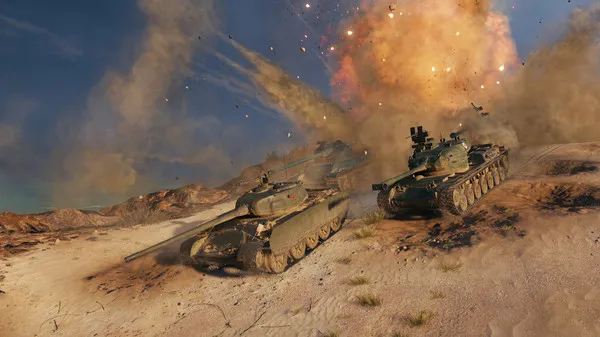
- The 3/5/7 Template: Promise vs. Reality The 3/5/7 template was hailed as a breakthrough in matchmaking logic. By limiting the number of top-tier tanks, it gave mid- and bottom-tier players more room to contribute. However, the system often fails when tank roles are mismatched—e.g., one team has three heavy tanks while the other has three light tanks.
Additionally, the template doesn’t account for map suitability. A team with turreted heavies may dominate on hilly terrain, while the opposing team with flat-deck mediums struggles. These imbalances create frustration and reduce strategic depth.
Template Weaknesses:
- Role mismatch across teams
- Map-dependent advantages
- Lack of skill-based balancing
- Tank Role Imbalance and Gameplay Impact One of the most glaring issues in WoT matchmaking is the uneven distribution of tank roles. A team with multiple hull-down heavies can dominate engagements, while a team with paper-armored TDs may be forced into unfavorable trades.
This imbalance is especially problematic in random battles, where coordination is limited. Without mirrored roles or balanced capabilities, matches often devolve into steamrolls rather than tactical duels.
Role Disparity Examples:
- 3 turreted heavies vs. 3 glass-cannon TDs
- Wheeled lights vs. tracked scouts
- Brawlers vs. snipers on urban maps
- Skill-Based Matchmaking: A Controversial Proposal Many players have called for skill-based matchmaking (SBMM) to improve match quality. The idea is to pair players of similar win rates, WN8 scores, or battle experience. However, SBMM introduces its own challenges—longer queue times, reduced randomness, and potential stat manipulation.
WoT’s ranked mode offers a glimpse into SBMM, but it’s limited to specific seasons and formats. Implementing SBMM in random battles would require a complete overhaul of the current system and could alienate casual players.
SBMM Pros and Cons:
- Pros: Fairer matches, better competition
- Cons: Longer queues, stat farming, reduced variety
- Tier VIII: The Most Punished Tier Tier VIII tanks are often cited as the most disadvantaged in WoT matchmaking. Despite being popular for grinding credits and crew XP, Tier VIII vehicles frequently face Tier X opponents, making them feel underpowered and irrelevant.
Premium tanks like the IS-6 or T-34-3, once dominant, now struggle against modern Tier X power creep. Players report feeling like “cannon fodder” in these matches, leading to reduced engagement and burnout.
Tier VIII Challenges:
- Frequent bottom-tier placement
- Power creep from Tier X
- Poor map control and survivability
- Wheeled Vehicles and Matchmaking Chaos The introduction of wheeled vehicles added a new layer of complexity to matchmaking. These tanks have unique mobility and spotting mechanics, often outperforming traditional light tanks. However, matchmaking doesn’t differentiate between wheeled and tracked scouts.
This leads to unfair scenarios where one team has wheeled lights capable of aggressive spotting, while the other has slower, less versatile scouts. The result is early map control imbalance and snowballing victories.
Wheeled vs. Tracked Issues:
- Uneven scouting potential
- Poor counterplay options
- Disrupted early-game balance
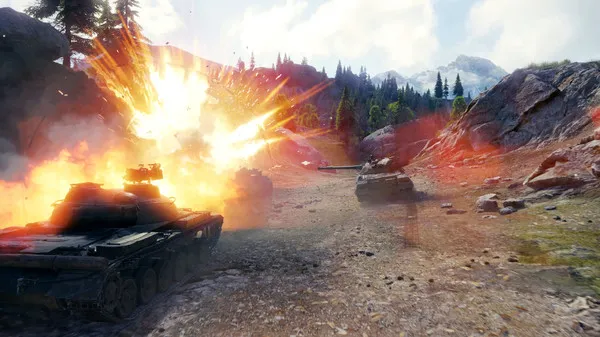
- Platoons and Matchmaking Manipulation Platoons allow friends to play together, but they can also skew matchmaking. A platoon of skilled players in overpowered tanks can dominate matches, especially if the opposing team lacks coordination. Conversely, poorly balanced platoons can drag down team performance.
Matchmaking attempts to balance platoons by placing them against other groups, but this isn’t always effective. Some players exploit platoon mechanics to farm stats or manipulate win rates.
Platoon Dynamics:
- Boosted coordination and synergy
- Potential for matchmaking abuse
- Inconsistent counterbalancing
- Map Rotation and Matchmaking Synergy Map rotation plays a subtle but significant role in matchmaking quality. Certain maps favor specific tank types—e.g., Prokhorovka benefits scouts, while Himmelsdorf favors heavies. If matchmaking doesn’t account for tank-map synergy, players may feel helpless.
A balanced match requires not just fair teams, but appropriate terrain. Random map assignment combined with role imbalance creates unpredictable and often unfair gameplay experiences.
Map-Tank Synergy Examples:
- Scouts on Malinovka vs. TDs on Ensk
- Heavies on Himmelsdorf vs. mediums on Steppes
- SPGs on open maps vs. urban brawls
- Community Feedback and Developer Response Players have voiced matchmaking concerns for years. Forums, Reddit, and Steam discussions are filled with complaints about tier spread, role imbalance, and unfair matchups. While developers have acknowledged these issues, progress has been slow.
Patch 9.19.1 introduced minor tweaks, such as limiting SPGs in platoons and adjusting stun mechanics. However, core matchmaking logic remains largely unchanged. Many players feel their feedback is ignored or deprioritized.
Community Demands:
- Role-based balancing
- Tier spread adjustments
- Transparency in matchmaking logic
- Potential Solutions and the Road Ahead Fixing matchmaking in WoT requires a multi-layered approach. Developers could implement role mirroring, adjust tier spread probabilities, and introduce optional SBMM for competitive players. Transparency and communication are key to rebuilding trust.
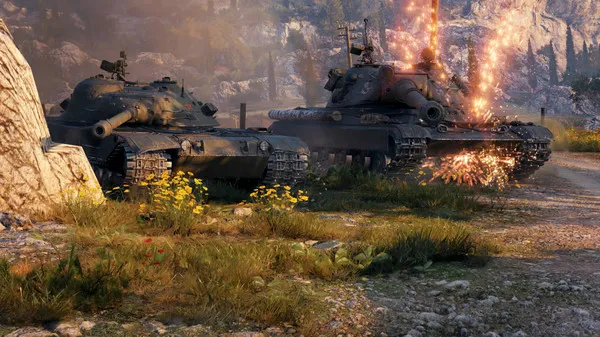
Ultimately, matchmaking should enhance gameplay, not hinder it. By prioritizing fairness, diversity, and strategic depth, WoT can evolve into a more balanced and rewarding experience for all players.
Suggested Improvements:
- Role-based templates (e.g., 2 heavies, 2 mediums, 2 lights)
- Tier VIII protection from frequent bottom-tier matches
- Separate queues for wheeled vehicles
Conclusion World of Tanks’ matchmaking system remains one of its most debated and impactful features. While the 3/5/7 template improved tier distribution, deeper issues like role imbalance, skill disparity, and tank-map synergy continue to undermine match quality. Players across all tiers—especially Tier VIII—feel the effects of inconsistent matchmaking, leading to frustration and disengagement. By listening to community feedback and embracing systemic reform, developers have the opportunity to restore balance and elevate the competitive integrity of WoT.